


Your Complete Guide to the Solar Panel Wind Turbine Kit for Home Energy Independence
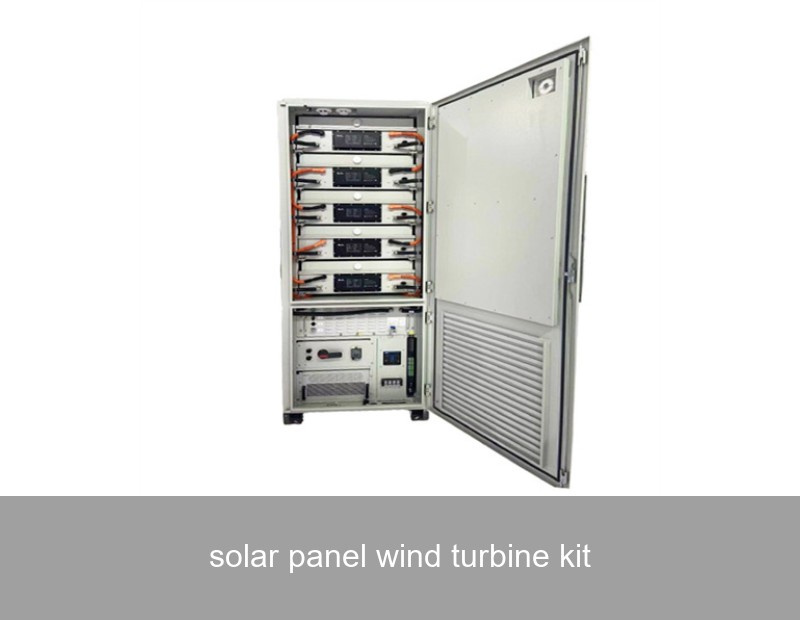
Have you ever looked at your rising electricity bill and wondered if there's a better way? Or perhaps you've felt the urge to contribute to a cleaner planet but found the path to renewable energy confusing. You're not alone. Across Europe and the U.S., a powerful trend is emerging: homeowners are moving beyond single-source solutions and embracing hybrid systems. The solar panel wind turbine kit represents the next logical step in this journey—a combined approach designed to maximize energy harvest and provide reliable power, day and night, in sunshine and storm. This guide will demystify these integrated kits, showing you how they work, why they're effective, and how they can be the cornerstone of your energy independence.
Table of Contents
The Phenomenon: Why Rely on One When You Can Have Two?
Let's face it, the weather is unpredictable. Solar panels famously take a break at night and under heavy clouds. Wind turbines, on the other hand, can generate power 24/7, but they need a steady breeze to be effective. It's a simple but profound insight: solar and wind resources are often complementary. On many days, when the sun is weak, the wind is strong, and vice versa. A standalone solar panel wind turbine kit capitalizes on this natural synergy. By combining both technologies, you create a more consistent and reliable stream of renewable energy for your home, significantly reducing your dependence on the grid and smoothing out the inherent variability of each source.
The Data & Reality: Complementarity in Action
The theory is compelling, but what does it look like in practice? Data from the U.S. National Renewable Energy Laboratory (NREL) indicates that hybrid wind-solar systems can achieve a much higher capacity factor—a measure of actual output versus maximum potential—than either system alone[1]. In non-technical terms, your system is working hard and producing useful power more of the time.
Consider a typical annual pattern in Northern Europe or the Northeastern U.S.:
- Summer: High solar production during long, sunny days; lower wind speeds.
- Winter: Lower solar irradiance and shorter days; stronger and more frequent winds.
- Spring/Fall: Mixed weather patterns where both sources can contribute significantly.
A well-sized hybrid system can cover a much greater portion of your annual energy needs, potentially exceeding 80-90% for an energy-efficient home, compared to perhaps 50-60% with solar alone in a less sunny climate.

Image source: Unsplash - A visual representation of a combined solar and wind setup for a residential property.
A Real-World Case Study: The Scottish Highland Home
Let's bring this to life with a concrete example. A family in the Scottish Highlands, an area known for its stunning landscapes but also for grid vulnerability and volatile weather, decided to achieve full energy autonomy. Their challenge: cloudy, low-light winters with powerful storms.
Their solution was a custom solar panel wind turbine kit, integrated with a robust battery storage system. The system included:
- 8 kW of rooftop solar panels.
- A 6 kW quiet-running, vertical-axis wind turbine (ideal for turbulent winds).
- A 20 kWh lithium-ion battery storage unit.
- A smart hybrid inverter to manage all energy flows.
| Metric | Result |
|---|---|
| Total Energy Generated | 14,200 kWh |
| Solar Contribution | ~65% (9,230 kWh) |
| Wind Contribution | ~35% (4,970 kWh) |
| Grid Import Reduction | 92% |
| Self-Consumption Rate | 88% (thanks to smart battery management) |
The wind turbine proved crucial from October to March, providing over 60% of their power during those months. This case perfectly illustrates the complementary nature of the technologies, ensuring the lights stayed on and the heat ran even during extended cloudy, calm periods in autumn when neither source alone would have sufficed.
Key Components of a Modern Hybrid Kit
So, what exactly goes into a professional-grade solar panel wind turbine kit? It's more than just bolting two technologies to your roof and yard. Here’s the breakdown:
1. The Generation Duo
- Solar Photovoltaic (PV) Panels: High-efficiency monocrystalline panels are the standard for residential use, maximizing output from limited roof space.
- Small Wind Turbine: Typically ranging from 1 kW to 10 kW. Choices include horizontal-axis (traditional propeller) or vertical-axis designs, the latter often being quieter and better for turbulent, suburban wind flows.
2. The Brain & Brawn: Power Conversion and Storage
This is where the magic of integration happens. A hybrid inverter is critical. It converts the DC power from both solar panels and the wind turbine into usable AC power for your home. More importantly, a smart hybrid inverter can prioritize where the power goes: to your appliances, to charge the batteries, or to export to the grid.
The battery energy storage system (BESS) is the heart of modern energy independence. It stores excess energy from both sources for use when generation is low. Not all batteries are created equal. Advanced systems offer higher cycle life, deeper safe discharge, and integrated energy management software.

Image source: Unsplash - A modern home battery unit, a critical component for storing hybrid energy.
The Highjoule Role: Intelligence Beyond the Kit
This is where a provider's expertise truly matters. At Highjoule, with nearly two decades of experience since 2005, we view a solar panel wind turbine kit not just as a collection of hardware, but as an intelligent, adaptive energy ecosystem. Our approach for residential and commercial clients focuses on optimization and resilience.
We provide:
- Highjoule HPS Series Hybrid Power Systems: Pre-engineered, scalable systems that seamlessly integrate solar, wind, and battery storage with our proprietary energy management system (EMS).
- Highjoule Apex BESS: Our flagship residential and commercial battery storage solution, known for its safety, longevity (over 6000 cycles), and ability to integrate with multiple generation sources.
- Smart Energy Gateway: The true brain of the operation. Our software doesn't just store energy; it learns your consumption patterns, forecasts weather (using data from sources like the European Centre for Medium-Range Weather Forecasts), and automatically decides the most economical and efficient way to use your energy—whether to power your home, charge your EV, or sell back to the grid at optimal rates[2].
For a homeowner, this means you're not just generating power; you're actively managing an asset that reduces costs and increases your property's resilience against outages.
Making the Decision: Is a Hybrid Kit Right for You?
While the benefits are significant, a hybrid system isn't a one-size-fits-all solution. It requires a thoughtful assessment. Ask yourself and potential installers these key questions:
- Local Resources: Do I have a consistently windy site? Tools like wind maps from the Global Wind Atlas can offer preliminary data, but a professional site assessment is crucial.
- Space & Zoning: Do I have adequate, unobstructed space for a wind turbine, considering local height restrictions and setback laws?
- Energy Goals: Am I seeking full off-grid independence, or primarily to reduce my bill and carbon footprint? This drastically affects system sizing and cost.
- Budget & Incentives: Hybrid systems have a higher upfront cost than solar-only. However, incentives like the U.S. Investment Tax Credit (ITC) or various European Union and national grants can substantially improve the economics.
The journey to energy independence is exciting. It starts with understanding the powerful synergy encapsulated in a well-designed solar panel wind turbine kit. It's about leveraging technology not just to generate power, but to create a smarter, more resilient, and sustainable home energy system.
What's the first step you'll take to assess your home's potential for a hybrid renewable energy future?
 Inquiry
 Online Chat