


Solar Panels for a 10kW System: Your Gateway to Energy Independence
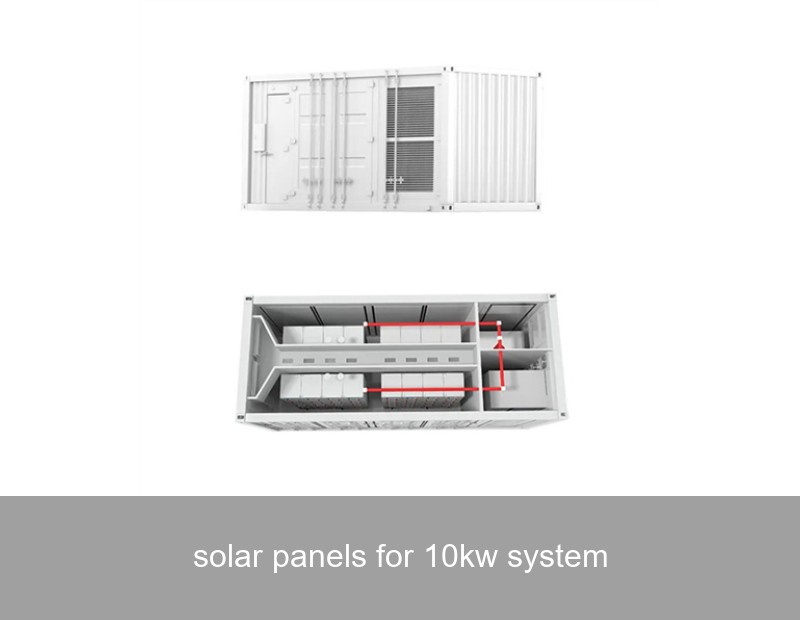
So, you're considering a solar power installation for your home or business, and you keep hearing about the "10kW system" as a sweet spot. It's a popular choice, and for good reason. But what does it really entail? How many solar panels for a 10kW system do you actually need, and what kind of impact can it have on your energy bills and carbon footprint? More importantly, how do you ensure this significant investment is smart, efficient, and future-proof? This guide will demystify the 10kW solar array, moving beyond the basics to explore how pairing it with intelligent energy storage transforms it from a simple energy saver into a resilient power asset.
Table of Contents
- What is a 10kW Solar System?
- How Many Solar Panels for a 10kW System?
- The Power & Potential: What Can a 10kW System Run?
- The Game Changer: Adding Energy Storage
- The Highjoule Solution: Intelligent 10kW+ Systems
- A Real-World Case: The Munich Bakery
- Making the Decision: Is a 10kW System Right for You?
What Exactly is a 10kW Solar Panel System?
Let's break down the terminology. A "10kW system" refers to its peak power output under ideal laboratory conditions (known as Standard Test Conditions or STC). In simpler terms, at the sunniest point of a perfect day, the system's panels can generate up to 10,000 watts (10 kilowatts) of electricity simultaneously. It's crucial to understand that this is the maximum capacity. Your actual, daily energy harvest—measured in kilowatt-hours (kWh)—depends on factors like your geographic location, roof orientation, shading, and local weather patterns.
Think of it like a car's top speed. Your vehicle might be capable of 120 mph, but your daily commute speed is determined by traffic, road conditions, and distance. Similarly, your 10kW system's true value is in the total kWh it produces over a month or a year, which directly offsets the kWh you buy from the utility grid.
How Many Solar Panels for a 10kW System?
This is the most common question, and the answer isn't a single number. It depends entirely on the wattage of the individual solar panels you choose. Solar panel technology has advanced rapidly, with standard panel power ratings climbing steadily.
| Panel Wattage (W) | Approximate Number of Panels Needed | Estimated Roof Space (sq. ft.) |
|---|---|---|
| 350W | 29 panels | 510 - 580 |
| 400W | 25 panels | 440 - 500 |
| 450W | 22 panels | 390 - 440 |
| 500W+ (High-Efficiency) | 20 panels or fewer | 350 - 400 |
As you can see, choosing higher-efficiency panels (like 500W monocrystalline models) means fewer panels and less roof space required to achieve your 10kW target. This is particularly beneficial for roofs with size constraints or complex shapes. At Highjoule, our design experts analyze your specific site to recommend the optimal panel configuration, balancing efficiency, aesthetics, and budget to maximize your long-term return.

Image Source: Unsplash (Representative image of solar panels)
The Power & Potential: What Can a 10kW System Run?
Now for the exciting part: what does this mean for your home or business? A 10kW system is a substantial installation. In sun-rich regions like Southern California or Southern Spain, it can generate 14,000 to 16,000 kWh per year. In less sunny areas like the UK or Washington State, output might range from 8,000 to 10,000 kWh annually. For context, the average U.S. household consumes about 10,600 kWh per year (U.S. Energy Information Administration).
This means a well-situated 10kW system can often cover 100% of a typical home's annual electricity needs, and sometimes even produce a surplus. It can comfortably power:
- Central air conditioning / heat pumps
- Electric vehicle charging
- Major appliances (refrigerator, washer, dryer, oven)
- Home office equipment and entertainment systems
- For small businesses, it can significantly offset the energy costs of lighting, machinery, and cooling.
The Game Changer: Why a 10kW System Needs Energy Storage
Here's the catch: solar panels produce power only when the sun shines. Your energy consumption, however, peaks in the early morning and evening—often when solar production is low. Without storage, you end up exporting excess midday solar energy to the grid at a low rate and buying back expensive power at night. This is where the paradigm shifts.
Integrating a battery energy storage system (BESS) with your solar panels for a 10kW system is the key to unlocking true energy independence. Storage allows you to:
- Maximize Self-Consumption: Store your sunny-day surplus and use it when you need it most.
- Gain Resilience: Keep the lights on during grid outages. Your solar system alone will typically shut off for safety during a blackout unless paired with a storage solution configured for backup.
- Navigate Time-of-Use Rates: In regions with variable electricity pricing, you can avoid buying power during expensive peak periods.
The Highjoule Solution: Intelligent 10kW+ Storage Systems
This is precisely where Highjoule's expertise transforms a good solar investment into a great one. Since 2005, we've evolved from a component provider to a global leader in integrated, intelligent energy storage solutions. We don't just sell batteries; we provide comprehensive energy ecosystems.
For a robust 10kW solar installation, our flagship Highjoule HPS Series modular battery systems are an ideal match. These systems are designed with scalability and intelligence at their core:
- Seamless Integration: They communicate flawlessly with major solar inverter brands, creating a cohesive and efficient energy loop.
- Adaptive Energy Management: Our proprietary software learns your consumption patterns and can be programmed to prioritize self-consumption, cost savings, or backup readiness.
- Modular Design: You can start with a capacity that fits your current budget (e.g., 10 kWh of storage) and easily add more battery modules as your needs grow.
- Built for Durability: Using advanced lithium iron phosphate (LFP) chemistry, our batteries offer enhanced safety, longer lifespan (typically over 6,000 cycles), and stable performance across a wide temperature range.
By pairing your 10kW solar array with a Highjoule HPS system, you're not just installing hardware; you're gaining an intelligent energy partner that actively manages your power for optimal economic and practical benefit.

Image Source: Unsplash (Representative image of a home energy system)
A Real-World Case Study: The Munich Bakery
Let's look at a concrete example from our European operations. A traditional family bakery in Munich, Germany, was facing rising energy costs that threatened its margins. Their operations ran from 3 AM for baking, through the day for retail, with high consumption for ovens, refrigeration, and lighting.
The Challenge: High grid consumption, especially during early morning peak rates, and no power resilience for their cold storage.
The Highjoule Solution: We installed a 12.5kW solar array (using 500W panels) coupled with a 25kWh Highjoule HPS battery system. The system was programmed for a unique load profile: charge batteries from solar during the day, then use stored energy to power the pre-dawn baking shift and critical refrigeration continuously.
The Data-Driven Result: Within the first year:
- Grid electricity consumption reduced by 82%.
- Annual energy cost savings: €8,700.
- The system provided seamless backup during two short grid interruptions, preventing thousands of euros in spoiled inventory.
- Projected payback period: Under 7 years.
This case demonstrates that for commercial applications, the right-sized solar + storage system is a strategic business investment, not just an environmental one.
Making the Decision: Is a 10kW Solar + Storage System Right for You?
Considering a solar panels for a 10kW system with storage is a significant step. Ask yourself these key questions:
- What are my primary goals? (Lower bills, backup power, sustainability, increasing property value?)
- What is my current energy consumption? Review your utility bills for your average monthly kWh use.
- Do I have a suitable space? For the panels (a south-facing roof in the Northern Hemisphere is ideal) and for a compact battery unit (like a garage or utility room).
- What are my local incentives? Programs like the U.S. federal Investment Tax Credit (ITC) or various European subsidies can dramatically improve economics. The U.S. Department of Energy provides resources on storage incentives.
The most critical step is to work with a certified, experienced partner who can provide a detailed energy assessment and system design. They should model your production, analyze your consumption patterns, and design a storage solution that aligns with your specific goals.
Ready to Explore What a Smart 10kW Solar and Storage System Could Do for Your Home or Business?
The journey to energy independence starts with a conversation. What unique energy challenge could a Highjoule intelligent system solve for you?
 Inquiry
 Online Chat