


Solar Power Batteries for Houses: The Key to True Energy Independence
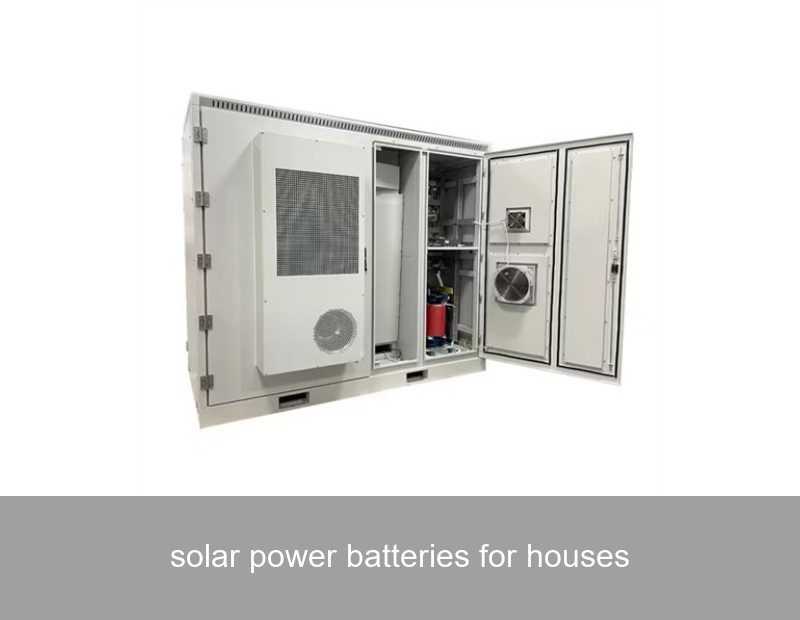
Imagine a world where a power outage doesn't plunge your home into darkness, where your electricity bill becomes predictable, and your clean energy doesn't go to waste. This isn't a distant future—it's the reality made possible today by solar power batteries for houses. For homeowners with solar panels, adding a battery storage system is the transformative step that unlocks the full potential of your rooftop power plant. But with so much information out there, how do you navigate this crucial decision? Let's demystify home battery storage and explore how it's reshaping energy consumption across Europe and the United States.
Table of Contents
The Phenomenon: Solar Panels Alone Aren't Enough
Many homeowners install solar panels with a clear goal: to reduce their reliance on the grid and save money. And they do—during the day. But here's the catch: peak solar production happens when you're likely at work or school. Your panels are pumping out energy, but your home consumption is low. Conversely, in the evening, when you're back home cooking, watching TV, and turning on lights, your solar panels are offline. This creates a fundamental mismatch.
Without a battery, excess solar energy is typically fed back into the grid, often for a modest feed-in tariff that is far lower than the price you pay to buy electricity from the utility later. You're essentially selling your premium, clean energy cheaply only to buy back expensive, often fossil-fuel-based power at night. This is where solar power batteries for houses change the game completely. They store your personal solar surplus for your personal use, right when you need it most.
The Data: Why Timing is Everything in Energy
Let's look at the numbers. According to the U.S. Department of Energy, a typical residential solar system without storage might only directly consume 20-40% of the energy it generates. The rest is exported. In markets like California with "net metering 3.0," the compensation for exported solar has dropped significantly, making self-consumption via batteries more economically attractive than ever.
Furthermore, electricity prices are not static. Time-of-Use (TOU) rates, common in both Europe and the US, mean power can cost 2-3 times more during peak evening hours (e.g., 4 PM to 9 PM) compared to midday. A home battery allows you to avoid these high rates by discharging your stored solar energy. The financial equation is clear: maximize self-consumption, minimize grid imports during peak times, and build resilience against both outages and volatile energy prices.
The Solution: How Home Battery Systems Work
A modern home battery system is an intelligent energy hub. It's far more than just a box that stores electricity. Here’s a simplified breakdown of the process:
- Solar Generation: Your rooftop panels convert sunlight into DC (Direct Current) electricity.
- Conversion & Prioritization: An inverter converts DC to AC (Alternating Current) for home use. The system's brain first directs power to meet your home's immediate needs.
- Charging the Battery: Any excess solar energy, instead of going to the grid, is used to charge your home battery system.
- Discharging on Demand: When solar production falls (at night or on cloudy days), the battery seamlessly takes over, powering your home from the stored energy.
- Grid Interaction: The grid remains as a backup, only supplying power once your battery is depleted (if you choose that mode).
This is where companies like Highjoule excel. As a global leader in advanced energy storage since 2005, Highjoule designs systems that intelligently manage this flow. Their ResiCore Home Battery System features a modular design, allowing homeowners to start with a capacity that fits their budget and expand later. With its integrated energy management system (EMS), it learns your consumption patterns, weather forecasts, and utility rate schedules to autonomously optimize when to store, use, or even sell energy for maximum financial benefit and efficiency.

A modern, compact home battery installation like Highjoule's ResiCore system integrates seamlessly into a garage or utility room.
Case Study: A Real-World Example from Germany
Let's examine a concrete example from Bavaria, Germany. The Schmidt family lives in a detached home with a 8 kWp solar array installed in 2020. Frustrated by low feed-in tariffs and seeking backup power, they installed a 10 kWh Highjoule ResiCore battery system in early 2023.
| Metric | Before Battery (2022) | After Battery (2023) | Change |
|---|---|---|---|
| Solar Self-Consumption | 32% | 78% | +46% |
| Grid Electricity Purchased | 3,200 kWh | 850 kWh | -73% |
| Electricity Bill Cost | €1,150 | €310 | -€840 |
| Grid Exports | 4,900 kWh | 1,100 kWh | -3,800 kWh |
The data speaks for itself. The Schmidts now use nearly 80% of the clean energy they produce. Their grid dependence dropped dramatically, saving them over €800 in the first year alone. Furthermore, during a regional grid outage in December 2023, their system provided uninterrupted power for essential loads for over 18 hours—a value that transcends mere economics. This case, mirrored by thousands across Europe and North America, highlights the dual benefit of savings and resilience.
Choosing the Right Solar Power Battery for Your House
Not all batteries are created equal. When evaluating solar power batteries for houses, consider these key factors:
- Capacity & Power: Capacity (measured in kWh) is how much energy it can store. Power (measured in kW) is how much it can deliver at once. Ensure the power rating can handle your home's peak demand.
- Chemistry: Lithium Iron Phosphate (LFP) is now the industry standard for safety, longevity, and performance, used in Highjoule's systems. It's more stable and has a longer cycle life than older lithium-ion variants.
- Depth of Discharge (DoD): A 90%+ DoD means you can safely use over 90% of the battery's stated capacity without damaging it.
- Round-Trip Efficiency: This percentage indicates how much energy you get back vs. what you put in. Look for efficiencies above 90%.
- Scalability & Warranty: Can you add more modules later? A strong 10-year warranty that guarantees a high remaining capacity (e.g., 70% after 10 years) is crucial.
Highjoule's approach focuses on holistic system integration. Their Smart Energy Gateway provides homeowners with an intuitive app to monitor and control their energy flow, set preferences (like "maximize self-consumption" or "prepare for storm outage"), and see real-time savings. This level of control and insight is what transforms a technical product into an empowering tool for everyday life.

Modern energy management apps put control at your fingertips, allowing for optimized battery usage.
The Future of Home Energy Management
The journey doesn't end with a battery. We are moving towards integrated smart homes where the battery communicates with your EV charger, heat pump, and major appliances. Imagine your system automatically charging your electric vehicle with surplus solar, or pre-heating your home using stored energy before peak rates begin. Highjoule is at the forefront of this integration, developing systems that act as the central nervous system for a home's energy, preparing for vehicle-to-home (V2H) capabilities and dynamic grid services.
Furthermore, programs like virtual power plants (VPPs) are emerging. In these, utilities aggregate thousands of home batteries to provide grid stability services. Homeowners can earn additional revenue by allowing their battery to support the grid during times of extreme demand—all without compromising their own backup security. It's a win-win model that Highjoule is actively enabling for its customers in select markets.
Ready to Take Control of Your Energy?
The shift to solar power batteries for houses is more than an upgrade; it's a fundamental step towards a sustainable, resilient, and economically sensible household. It turns your home from a passive energy consumer into an active, intelligent energy hub. The technology is proven, the economics are increasingly favorable, and the benefits of peace of mind are priceless.
What would energy independence look like for your home? Could your next power outage be nothing more than a blink, and your next energy bill a pleasant surprise? The power to decide is, quite literally, now in your hands.
 Inquiry
 Online Chat