


Demystifying Solar Power Inverter Price in the Philippines for Sustainable Savings
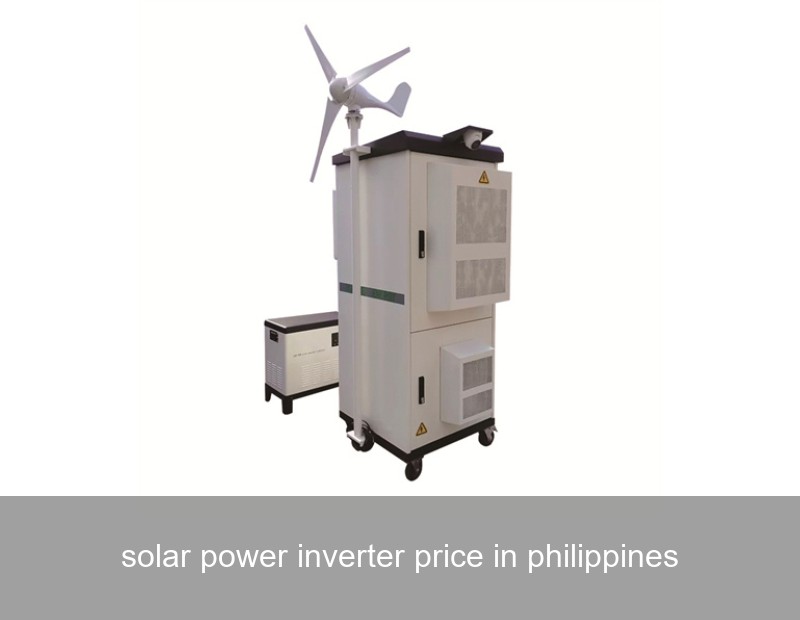
If you're exploring solar energy in the Philippines, you've likely encountered a wide range of quotes, particularly for the heart of the system: the solar inverter. Understanding the solar power inverter price in the Philippines isn't just about finding the cheapest option; it's about investing in the right technology for your unique climate, energy needs, and long-term financial goals. The archipelago's tropical environment, characterized by intense sun, high humidity, and occasional typhoons, demands robust and efficient equipment. This article will guide you through the cost factors, technology choices, and strategic considerations to ensure your solar investment delivers maximum return under the Philippine sun.

Credit: Unsplash - A solar installation in a climate similar to the Philippines highlights the importance of durable components.
Understanding Solar Inverter Costs: More Than Just a Price Tag
The inverter is the brain of your photovoltaic (PV) system. It converts the direct current (DC) electricity generated by your panels into usable alternating current (AC) for your home or business. Its performance directly impacts your system's overall energy yield and reliability. In the Philippines, where grid stability can be a concern in some areas and energy demand is growing, the inverter's role becomes even more critical. A lower upfront cost might be appealing, but it could lead to higher losses, more frequent maintenance, or premature failure in harsh conditions, negating your savings.
Key Factors Influencing Solar Power Inverter Price in the Philippines
Several interconnected elements determine the final price point of a solar inverter for your project:
- Inverter Type and Technology: Basic string inverters are generally more affordable, while advanced microinverters or hybrid inverters with battery integration command a higher price due to their enhanced functionality and component complexity.
- Power Rating and Capacity (kW): Prices scale with size. A 5kW residential inverter costs less than a 100kW commercial unit. Accurate sizing based on your consumption is key to avoiding overpayment.
- Brand and Quality: Established global brands with proven track records in tropical climates often have higher price points, reflecting better components, software, warranties, and local support.
- Features and Smart Capabilities: Inverters with advanced monitoring, grid-support functions, and readiness for energy management systems (like those from Highjoule) add value and cost.
- Installation and Logistics: Costs can vary based on site complexity, mounting requirements, and import duties for certain brands not locally stocked.
Solar Inverter Types & Price Breakdown
Here’s a comparative look at the primary inverter technologies available in the Philippine market. Note that prices are indicative ranges and can fluctuate.
| Inverter Type | Typical Power Range | Key Features | Estimated Price Range (PHP)* | Best For |
|---|---|---|---|---|
| String Inverter | 3kW - 200kW+ | Cost-effective, simple design, central unit for multiple panels. | 40,000 - 2,000,000+ | Residential & commercial roofs with consistent, unshaded sunlight. |
| Microinverter | 0.25kW - 0.8kW (per panel) | Panel-level optimization, enhanced safety, superior shade handling. | 8,000 - 15,000 per unit | Roofs with partial shading, complex layouts, maximum safety priority. |
| Hybrid Inverter | 3kW - 50kW | Integrates battery storage, enables backup power, manages grid interaction. | 80,000 - 1,500,000+ | Homes/businesses seeking energy independence, backup for outages, time-of-use optimization. |
*Price ranges are indicative for the inverter unit only. Installation, balance of system, and taxes are additional.
A Real-World Case Study: Commercial Solar in Cebu
Consider a medium-sized manufacturing facility in Mactan, Cebu. The facility faced an average monthly bill of ₱450,000 and frequent, costly voltage fluctuations. They installed a 150kW rooftop solar system. Initially, they considered a standard low-cost string inverter. However, after analysis, they opted for a Highjoule HI-150 Hybrid Power Conversion System.
The Data-Driven Decision: While the Highjoule hybrid inverter had a ~20% higher upfront cost than a basic option, its integrated capabilities were transformative:
- It seamlessly integrated a 200kWh battery storage system for critical load backup.
- Its advanced grid-support features stabilized voltage, protecting sensitive machinery.
- Intelligent software shifted energy usage, maximizing savings under Net Metering rules.
The Result: The system reduced their grid dependency by 75%, cut their monthly energy costs by ₱320,000, and provided full backup for essential operations. The higher initial solar power inverter price in the Philippines was offset in less than 2 years due to greater efficiency and avoided downtime, showcasing the importance of total cost of ownership over mere purchase price.

Credit: Unsplash - Modern industrial facilities benefit greatly from stable, solar-backed power.
Beyond Purchase Price: Calculating Long-Term Value
In the Philippine context, evaluating an inverter requires a long-term lens. Here’s what truly adds value:
- Warranty & Local Support: A 10-year warranty from a brand with a local service center (like Highjoule's support network in key ASEAN regions) is far more valuable than a 5-year warranty with no local presence.
- Efficiency Rating: A 98% efficient inverter versus a 95% one can harvest significantly more energy over 25 years, paying for the price difference many times over.
- Robustness for Tropical Climate: Inverters with high IP ratings for dust/water resistance and built-in cooling systems for high ambient temperatures ensure longevity. Highjoule systems, for example, are engineered for high-temperature, high-humidity operation common in Southeast Asia.
- Software & Upgradability: An inverter that can receive firmware updates and integrate with future battery storage or smart grid requirements protects your investment from obsolescence.
Choosing the Right Technology Partner for Your Philippine Project
As a global leader with nearly two decades of experience, Highjoule understands that the right solution isn't just about hardware. For the Philippine market, we provide more than just competitive solar power inverter prices. We offer intelligent, integrated storage-ready systems designed for resilience. Our product suite for commercial and industrial applications includes advanced hybrid inverters and complete Battery Energy Storage Systems (BESS) that are ideal for maximizing solar self-consumption, providing backup power, and participating in emerging grid services.
Our approach is to partner with local integrators, providing them with the technology and training to deliver systems that withstand the local environment while delivering superior financial returns. We focus on the total system lifecycle cost, ensuring our solutions—from efficient string inverters to sophisticated microgrid controllers—deliver reliability where it matters most.
Ready to Optimize Your Energy Investment?
Given the unique energy challenges and opportunities in the Philippines, what specific goal is driving your solar project—is it outright cost reduction, achieving energy security during outages, or future-proofing your property against rising electricity rates?
 Inquiry
 Online Chat