


Solar Power Off the Grid Systems: Your Guide to True Energy Independence
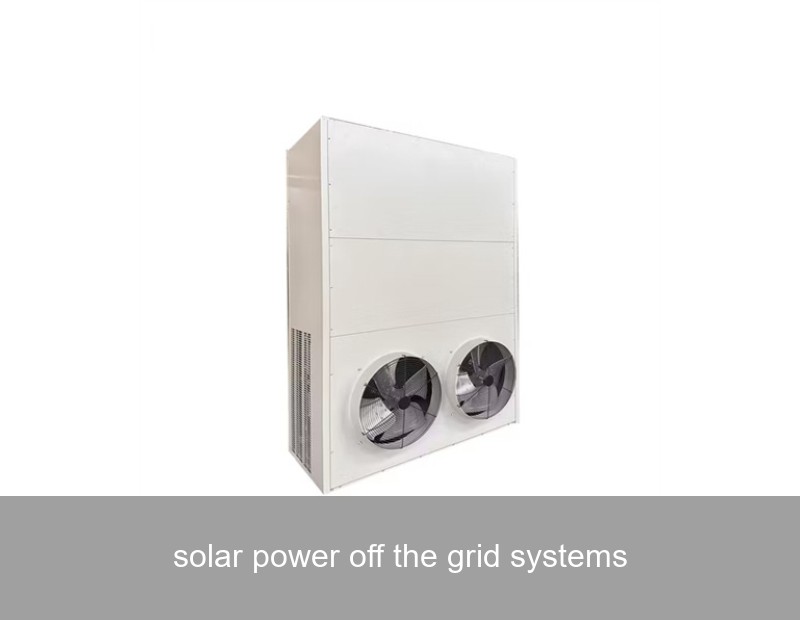
Imagine a home, business, or community that operates entirely on its own terms. No monthly electricity bills, no vulnerability to grid outages, and a power source as reliable as the sunrise. This isn't a futuristic dream; it's the reality made possible by modern solar power off the grid systems. For homeowners in remote locations, businesses seeking operational resilience, or anyone passionate about sustainability, going off-grid represents the ultimate form of energy self-sufficiency. In this guide, we'll demystify these systems, explore their real-world applications, and show you how technological advancements are making energy independence more accessible and reliable than ever before.
The Growing Phenomenon: Why Off-Grid is Gaining Traction
The desire to disconnect from the traditional utility grid is moving from a niche interest to a mainstream consideration. The driving forces are clear and compelling. First, energy security: from winter storms in the American Midwest to heatwaves straining European networks, grid instability is a growing concern. Second, economic factors: while upfront costs exist, the long-term elimination of volatile electricity bills is a powerful financial motivator. Third, and perhaps most significantly, is the push for sustainable living. Individuals and corporations alike are actively seeking to reduce their carbon footprint, and generating clean power on-site is a direct and impactful solution.
This trend is backed by data. The off-grid solar market is experiencing robust growth. According to the International Energy Agency (IEA), solar PV is set to become the largest global electricity capacity by 2027, with decentralized systems like off-grid playing a crucial role in electrification and resilience. It's no longer just about remote cabins; we're seeing applications for agricultural operations, industrial sites, and entire microgrid communities.
Modern off-grid solar installations are designed to be both highly efficient and aesthetically integrated.
Beyond the Basics: The Heart of a Modern Off-Grid System
An off-grid system is more than just solar panels. It's a finely tuned ecosystem of components working in harmony. Let's break down the core parts:
- Solar Panels: The primary generators, converting sunlight into direct current (DC) electricity.
- Charge Controller: The guardian of your batteries, regulating the flow of electricity to prevent overcharging and damage.
- Battery Energy Storage System (BESS): The cornerstone of any off-grid setup. This is where your generated energy is stored for use at night or during cloudy days. The technology here is critical.
- Inverter: The translator, converting the DC electricity from your panels and batteries into the alternating current (AC) that powers your appliances and devices.
- Backup Generator (Optional): A prudent failsafe for extended periods of low sunlight, often configured to activate automatically.
The true intelligence of a modern system lies in its integration and management. This is where companies like Highjoule excel. We don't just supply components; we engineer integrated solutions. Our HPS-ONE platform acts as the brain of the operation, using AI-driven energy management to optimize every kilowatt-hour. It decides when to store, when to consume, and when to potentially activate a backup source, ensuring maximum efficiency and battery longevity. Unlike simple lead-acid setups of the past, our systems utilize advanced lithium-ion (like LFP) chemistry, which offers deeper cycles, longer lifespans, and safer operation.
Key Technical Considerations for System Design
| Factor | Question to Ask | Why It Matters |
|---|---|---|
| Energy Audit | What is my daily and seasonal kWh consumption? | Determines the size of your solar array and battery bank. Underestimating leads to power shortages. |
| Location & Climate | What are my peak sun hours and worst-case weather patterns? | Impacts panel efficiency and dictates the necessary storage capacity for "days of autonomy." |
| Battery Technology | Lithium vs. Other Chemistries? | Lithium (LFP) offers >90% efficiency and 6000+ cycles, making it the professional choice for long-term reliability. |
| System Management | Is the system intelligently managed? | Smart management can increase overall system efficiency by up to 30% and protect your investment. |
Real-World Case Study: Powering a Swedish Wilderness Retreat
Let's move from theory to practice. Consider a luxury eco-lodge located in the remote forests of northern Sweden, far from any utility connection. Their challenge was to provide 24/7 power for guest cabins, a central lodge, and water pumping systems, despite harsh winters with very limited daylight.
The Solution: A custom-designed solar power off the grid system was installed. The system featured a 120 kW solar canopy, coupled with a robust 400 kWh Highjoule HPS-CUBE battery storage system. Our HPS-CUBE is a containerized, all-in-one solution ideal for commercial and industrial applications, featuring integrated climate control and safety systems.
The Results:
- 100% Energy Independence: The lodge eliminated the need for a noisy, polluting diesel generator as the primary source.
- Operational Savings: They achieved a 100% reduction in fuel costs and associated logistics, projecting a full return on investment in under 7 years.
- Guest Experience & Marketing: The lodge now markets itself as a truly sustainable destination, a key differentiator that commands a premium.
- Reliability: Even during the polar night period, the large battery capacity, managed by Highjoule's smart software, ensures uninterrupted power, with a small automated biodiesel generator only as a last-resort backup.
This case exemplifies how the right technology transforms constraints into strengths. You can explore more about microgrid feasibility in similar climates in studies from the National Renewable Energy Laboratory (NREL).
Highjoule's Approach: Intelligent Energy Independence
Since 2005, Highjoule has been at the forefront of advanced energy storage. Our mission is to make robust, intelligent off-grid power accessible and reliable. We understand that "off-grid" doesn't mean "off-the-shelf." Every project has unique needs. That's why our process begins with a detailed consultation and energy analysis.
For residential clients, our HPS-HOME series offers scalable, wall-mounted storage units that seamlessly integrate with new or existing solar panels. For commercial, industrial, and microgrid applications, our modular HPS-CUBE and HPS-PRIME systems provide utility-scale power in a configurable package. All are governed by our proprietary energy management system, which can be monitored and adjusted from a simple smartphone app, giving you complete control over your personal energy ecosystem.
Our expertise isn't just in hardware; it's in the software intelligence that maximizes your system's lifespan and performance. We ensure that your journey to energy independence is smooth, supported, and sustainable for the long haul.

Modern battery storage systems, like Highjoule's HPS series, are compact, safe, and intelligently managed.
Is Off-Grid Right for You? Key Considerations
The allure of energy independence is strong, but it's a significant commitment. Here are some honest points to ponder:
- Upfront Investment: High-quality off-grid systems require a higher initial capital outlay than grid-tied systems. However, this is balanced against a lifetime of free fuel (sunlight) and no electricity bills.
- Lifestyle Adjustments: Energy consciousness becomes part of daily life. While modern systems are incredibly capable, managing high-consumption appliances (like electric heating) requires careful system sizing and sometimes efficiency upgrades.
- Maintenance & Expertise: You are your own utility company. Partnering with a provider like Highjoule that offers remote monitoring and proactive support is crucial for long-term peace of mind.
The decision often comes down to your location, priorities, and values. For those where grid connection is prohibitively expensive or unreliable, the economic case is clear. For others, the motivation is a blend of resilience, sustainability, and the profound satisfaction of self-reliance.
The Future is Hybrid and Intelligent
An interesting evolution is the "grid-ready" off-grid system. Some homeowners choose to install a system capable of full off-grid operation but maintain a minimal grid connection as an ultra-reliable backup. This hybrid approach, managed by smart systems, offers the best of both worlds: daily independence with a ultimate safety net. It's a testament to how flexible and sophisticated these solutions have become.
For a deeper dive into the technologies shaping this future, resources from the U.S. Department of Energy's Solar Energy Technologies Office provide valuable insights.
So, what does your ideal energy-independent future look like? Is it a quiet home resilient to blackouts, a thriving business free from energy cost volatility, or a sustainable project that aligns with your environmental values? We invite you to share your vision and the first step you're considering towards true energy independence.
 Inquiry
 Online Chat