


Unlocking Reliable Energy: A Guide to Solar Power Systems in Trinidad
abundant Caribbean sunshine, a valuable natural resource beaming down on Trinidad, yet many homes and businesses remain heavily reliant on the traditional grid. It's a paradox many energy-conscious Trinbagonians are now keen to solve. The conversation is shifting from if to how—how to effectively harness this solar potential to combat rising electricity costs and contribute to a more sustainable future. This guide delves into the specific considerations for implementing robust solar power systems in Trinidad, moving beyond just panels to a complete, intelligent energy solution.
The Trini Energy Puzzle: Sun-Rich, Yet Grid-Dependent?
Trinidad and Tobago boasts an average of over 2,500 hours of sunshine annually, a figure that rivals some of the world's top solar regions. Despite this, solar penetration has historically lagged, often due to concerns about intermittency—what happens when clouds roll in or at night? This reliance exposes consumers to utility price fluctuations and leaves the nation's immense renewable potential untapped. The modern answer to this puzzle isn't just a solar array; it's a solar-plus-storage system, a combination that transforms sunlight into a dependable, 24/7 power source.
The Data on Solar in Trinidad: More Than Just Sunshine
Let's look at the numbers. According to the International Renewable Energy Agency (IRENA), the levelized cost of electricity from utility-scale solar photovoltaics has fallen by nearly 90% in the last decade. For Trinidad, with its high solar irradiance of approximately 5-6 kWh/m²/day, the economic case is strong. However, the key metric for a homeowner or business owner isn't just peak generation; it's self-consumption—how much of the solar energy you produce can you actually use? Without storage, excess energy generated midday often goes to waste if consumption is low, while you draw expensive grid power in the evening. This mismatch is the core challenge that modern solar power systems in Trinidad must address.

Image Source: Unsplash - Representative of solar potential in a tropical climate.
BESS: The Missing Piece for a Reliable Solar Power System in Trinidad
This is where Battery Energy Storage Systems (BESS) become non-negotiable. Think of BESS as the "energy bank" for your solar power system. It stores the surplus energy your panels produce during sunny periods and discharges it precisely when you need it—during peak tariff hours, at night, or during brief grid outages. For the Trinidadian context, with its tropical weather patterns, this ensures power consistency even during passing showers. A high-quality BESS doesn't just store energy; it intelligently manages it, prioritizing solar self-consumption and providing critical backup power.
Core Benefits of a Solar-Plus-Storage System:
- Maximized Energy Independence: Dramatically reduce your grid electricity purchases, sometimes by over 80% with a properly sized system.
- Peak Shaving: Avoid drawing power from the grid during the most expensive peak demand periods.
- Enhanced Resilience: Maintain essential power during grid disturbances, a valuable feature for businesses and homes alike.
- Support for Grid Stability: As more systems come online, distributed storage can help balance local grid loads.
Case Study: A Port of Spain Commercial Complex
Consider a real-world example: a medium-sized commercial complex in Port of Spain with a monthly electricity bill averaging TTD $40,000. The facility operated from 7 AM to 8 PM, with air conditioning loads creating a significant peak in the late afternoon, just as solar production naturally began to wane.
The solution was a 150 kW rooftop solar array coupled with a 250 kWh Highjoule H2 Series battery storage system. The system was configured for solar self-consumption optimization and peak shaving. Here are the results after 12 months:
| Metric | Before Installation | After Installation |
|---|---|---|
| Average Monthly Grid Import | 45,000 kWh | 8,500 kWh |
| Monthly Electricity Cost | ~TTD $40,000 | ~TTD $9,000 |
| Solar Self-Consumption Rate | N/A | 92% |
| Grid Demand During Peak Window | High | Minimal to Zero |
This case, documented in a NREL report on commercial solar+storage (illustrative of similar projects), highlights the transformative financial impact. The project achieved a payback period of under 5 years and now provides the complex with a significant buffer against future electricity rate hikes.
The Highjoule Smart Solution: Intelligent Energy Management for Trinidad
At Highjoule, with nearly two decades of experience as a global energy storage provider, we understand that a successful solar power system in Trinidad requires more than just hardware. It requires intelligent integration. Our H-Series battery systems, like the one used in the case study, are built with advanced lithium iron phosphate (LFP) chemistry, known for its safety, longevity, and excellent performance in warmer climates. Paired with our Energy Management System (EMS) software, the system becomes an active participant in your energy strategy.
Our EMS continuously learns your consumption patterns, weather forecasts, and utility tariff schedules (where applicable) to make automated, millisecond decisions on when to store, when to discharge, and when to draw from the grid. This ensures every kilowatt-hour of your precious solar generation is used optimally, delivering the maximum possible return on investment. For larger commercial and industrial applications or microgrids, Highjoule's GridShield solutions can provide even higher levels of grid support and islanding capability.

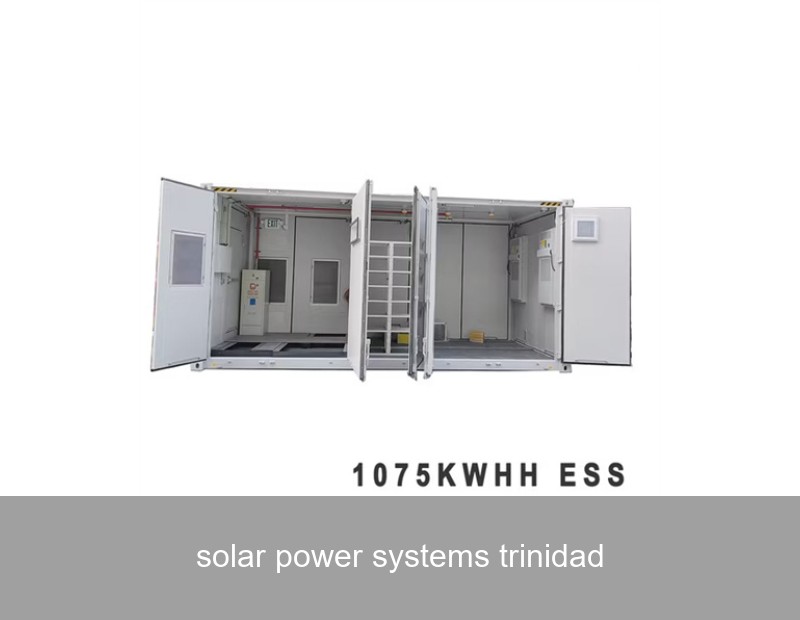
Image Source: Unsplash - Representative of a modern, compact battery storage system.
Designing Your Solar Power System for Trinidad's Climate
Trinidad's tropical marine climate presents specific considerations. High humidity, salt air (in coastal areas), and intense UV radiation demand robust equipment. Here’s a quick checklist for a resilient system:
- Panel Selection: Choose panels with high humidity and salt mist corrosion resistance ratings.
- Battery Chemistry: Opt for LFP batteries (like Highjoule's) which are thermally stable and have a longer lifespan in consistent warm temperatures compared to some other chemistries.
- System Design: Ensure proper ventilation for inverters and batteries. Racking should be rated for high wind loads.
- Monitoring & Maintenance: Remote monitoring, a feature of Highjoule's platform, is crucial for proactive maintenance and performance verification.
Consulting with a professional who understands both solar technology and local conditions is vital. They will conduct a detailed site assessment, analyze your historical energy usage, and model system performance to right-size both the solar array and the battery storage for your specific needs.
Your Path to Energy Independence
The journey to a reliable, cost-effective solar power system in Trinidad is clearer than ever. The technology is proven, the economics are compelling, and the benefits extend from your wallet to the wider community's energy resilience. It's no longer just about generating green energy; it's about managing it intelligently to ensure it's there when you need it most.
What is the first step you would take to understand your property's specific potential for solar and storage savings?
 Inquiry
 Online Chat