


Solar Powered Cold Storage Containers: The Future of Sustainable Refrigeration
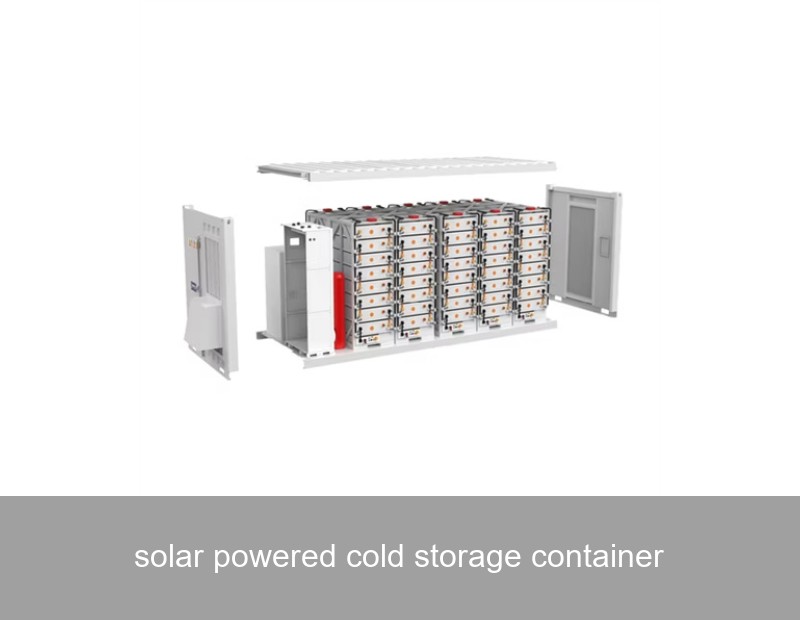
Imagine a remote farm in California, its harvest of ripe berries ready for market, or a fishing community in Norway with a fresh catch that needs preserving. The challenge is the same: how do you keep perishable goods perfectly cold without a reliable, or affordable, grid connection? The answer is increasingly arriving in a self-contained, innovative form: the solar powered cold storage container. This isn't just a box with a solar panel; it's a sophisticated, integrated energy system that combines solar generation, intelligent battery storage, and high-efficiency refrigeration to create an off-grid cold chain solution. For businesses and communities worldwide, this technology is transforming food security, reducing waste, and cutting operational costs, all while supporting a cleaner planet.
Table of Contents
The Problem: Cold Chain Gaps and Energy Costs
Let's face it, the global cold chain has leaks—and we're not talking about refrigerant. We're talking about massive food loss. The Food and Agriculture Organization (FAO) estimates that a staggering 13% of the world's food is lost between harvest and retail, often due to inadequate refrigeration. For off-grid or remote locations, diesel generators have been the traditional, noisy, and polluting answer. But with volatile fuel prices and increasing carbon emission concerns, this model is financially and environmentally unsustainable. The need for a resilient, clean, and independent cooling solution has never been greater.
The Solution: How Solar Cold Storage Works
A solar powered cold storage container elegantly solves this dilemma. Think of it as a three-part symphony:
- Energy Capture: High-efficiency photovoltaic (PV) panels, often mounted on the container's roof or a nearby ground-mount array, convert sunlight into direct current (DC) electricity.
- Energy Storage & Management: This is the critical heart of the system. The solar electricity doesn't just directly run the fridge; it charges a sophisticated battery energy storage system (BESS). This battery bank stores excess energy generated during sunny periods, ensuring the refrigeration unit can run 24/7, through the night and during cloudy days.
- Intelligent Cooling: A high-efficiency, often inverter-driven, refrigeration unit maintains the precise temperature required. An intelligent energy management system (EMS) acts as the brain, constantly optimizing energy flow from panels and batteries to the compressor, prioritizing efficiency and protecting the equipment.

This integrated approach ensures reliability that simple "solar-direct" systems cannot match, as they fail when the sun goes down.
Key Components of a Reliable System
Not all solar cold storage solutions are created equal. The longevity and performance depend on the quality of core components:
- High-Efficiency Solar Panels: Monocrystalline panels are typically preferred for their superior space efficiency and performance in varied light conditions.
- The Battery Storage System (The Game-Changer): This is where the magic of continuous operation happens. Lithium-ion phosphate (LFP) batteries are now the industry standard for such applications due to their long lifespan, safety, and excellent thermal stability.
- Intelligent Power Conversion & Management: A robust hybrid inverter/charger manages AC/DC conversion, while the EMS makes millisecond-by-millisecond decisions to balance supply and demand.
- Insulated Container & Efficient Refrigeration Unit: The container itself must have high R-value insulation, and the cooling unit should be specifically designed for low energy draw and the specific temperature range (e.g., chill vs. deep freeze).
A Real-World Case Study: Fresno County Farms, USA
The theory is compelling, but what does it look like on the ground? Let's look at a 2023 deployment in California's Central Valley, a major agricultural hub. A consortium of five small-to-medium farms, each specializing in organic leafy greens and strawberries, faced two issues: skyrocketing costs to run diesel gensets for their on-field cold storage, and pressure from distributors to prove sustainable practices.
They deployed three 40-foot solar powered cold storage containers. The system specifications and results were telling:
| Component | Specification |
|---|---|
| Solar Array per Container | 18 kWp rooftop & ground-mounted |
| Battery Storage per Container | 40 kWh LFP battery system |
| Refrigeration Capacity | Maintains 2°C (35.6°F) in ambient up to 40°C (104°F) |
| Key Outcome (12-month period) | 100% elimination of diesel use, saving ~$8,400 per container in fuel and maintenance. Post-harvest loss reduced by an estimated 15% due to more consistent temperatures. |
| Carbon Impact | Estimated reduction of 20 metric tons of CO2 per container annually. |
One farm manager noted, "The system runs so quietly and consistently. We're not just saving money; we're ensuring our product reaches the market at peak quality, and that's a competitive edge." This case underscores the tangible financial and operational benefits, particularly in sunny regions like the Mediterranean or the American Southwest.
Highjoule's Role in Advanced Solar Cold Storage
As a global leader in advanced energy storage since 2005, Highjoule understands that the core of a successful solar cold storage container isn't just the panels or the fridge—it's the intelligence and resilience of the battery system that ties it all together. Our expertise lies in providing the robust, smart BESS that these solutions demand.
For integrators and developers building solar cold storage units, Highjoule offers modular, containerized, and rack-mounted battery storage solutions that are pre-engineered for seamless integration. Our H-Power C&I Series battery systems, for instance, feature:
- UL 9540-certified LFP battery modules for maximum safety and longevity.
- Integrated, high-efficiency hybrid inverters with grid-forming capability, allowing operation in full off-grid mode or with a backup generator.
- Our proprietary JouleMind™ EMS platform, which can be configured to prioritize solar self-consumption, ensure refrigeration is always the first priority load, and provide remote monitoring and diagnostics—a crucial feature for containers placed in remote locations.

By partnering with refrigeration and container specialists, Highjoule provides the critical energy core that makes these sustainable cold storage solutions not just viable, but superior to traditional alternatives in reliability and total cost of ownership.
Key Considerations for Your Project
If you're evaluating a solar powered cold storage container, asking the right questions is essential:
- Load Profile & Autonomy: What is the exact temperature requirement and the thermal mass of the goods? How many days of "autonomy" (cloudy weather) do you need the battery to cover?
- Climate & Solar Resource: A detailed solar irradiance analysis for the specific location is non-negotiable for proper sizing. The system in Norway will look different from one in Texas.
- Scalability & Future-Proofing: Can the battery storage capacity be easily expanded if your needs grow? Modular systems like Highjoule's offer this flexibility.
- Service & Support: Who provides remote monitoring and on-site service for the battery and energy management system? Choose a provider with a proven global service network.
Looking Ahead: A Cooler, Brighter Future
The convergence of falling solar and battery costs, rising demand for sustainable logistics, and innovative system integration is propelling solar cold storage from a niche solution to a mainstream one. It's empowering farmers, fishermen, pharmaceutical distributors, and even disaster relief agencies to create a resilient, decentralized cold chain. The technology directly addresses multiple United Nations Sustainable Development Goals, including responsible consumption and climate action. As the IEA highlights, energy storage is the key enabler for decarbonizing sectors like agriculture and transport.

So, whether you're a business looking to cut costs and emissions, or a community project aiming to reduce food insecurity, the question is no longer if solar cold storage is feasible, but how can it be optimally designed for your specific needs to deliver the greatest value and impact?
 Inquiry
 Online Chat