


Solar Photovoltaic Energy: From Intermittent Source to Reliable Powerhouse
You've seen them on rooftops and in fields—solar panels silently converting sunlight into electricity. Solar photovoltaic (PV) technology has become a symbol of clean energy. But as its adoption soars across Europe and the U.S., a critical question emerges: what happens when the sun doesn't shine? The true potential of solar photovoltaic systems isn't just in generation; it's in intelligent storage and management. This is where the energy landscape is undergoing a profound transformation, turning solar from a variable contributor into a dependable, 24/7 power source. Companies like Highjoule, a global leader in advanced energy storage systems since 2005, are at the forefront of this shift, providing the smart solutions that make solar energy truly resilient and efficient.
Table of Contents
- The Challenge: Solar's Intermittency in a World That Needs Constant Power
- The Data: Why Storage is No Longer Optional
- The Solution: Intelligent Energy Storage Systems (ESS)
- Case Study: A German Manufacturing Plant's Journey to Energy Independence
- Highjoule's Role: Engineering Smarter Storage for Solar Photovoltaic Systems
- The Future of Solar: Integrated, Intelligent, and Independent
The Challenge: Solar's Intermittency in a World That Needs Constant Power
The sun, while abundant, is not a constant provider. Nights, cloudy days, and seasonal variations create a mismatch between when solar photovoltaic systems produce energy and when homes and businesses consume it. This "duck curve" phenomenon—where net demand plummets during peak solar hours and then surges at sunset—is a well-known challenge for grid operators, particularly in sunny regions like California and Southern Europe. Relying solely on the grid to back up your solar array means you're still vulnerable to outages and often miss the financial benefit of your own production.

Image Source: Unsplash - A visual representation of solar's daily production cycle ending.
The Data: Why Storage is No Longer Optional
The numbers tell a compelling story. According to the International Energy Agency (IEA), global renewable capacity is set to grow by 2,400 GW between 2023-2028, with solar PV accounting for a staggering 75% of this expansion. However, the U.S. Energy Information Administration notes that the capacity factor for solar PV—the ratio of actual output to potential output—often ranges between 15-25%, highlighting its intermittent nature. This surge in variable generation makes energy storage not just beneficial, but essential for grid stability and maximizing self-consumption. For businesses, this translates directly to energy cost savings and operational continuity.
The Solution: Intelligent Energy Storage Systems (ESS)
This is where the magic happens. A modern Energy Storage System (ESS) acts as a rechargeable battery for your entire property, seamlessly integrated with your solar photovoltaic array. Think of it as a sophisticated energy bank:
- Store Excess: It captures surplus solar energy produced during the day that you don't immediately use.
- Discharge on Demand: It releases that stored energy during peak evening hours, during grid outages, or when electricity rates are high.
- Provide Grid Services: Advanced systems can even support the wider grid by providing frequency regulation, helping to balance supply and demand in real-time.
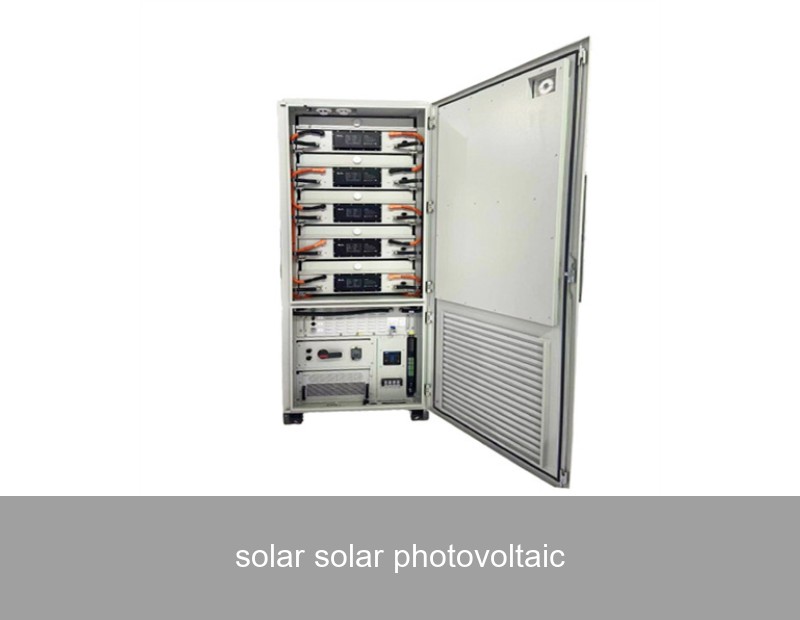
The core components include high-density battery modules (like Lithium Iron Phosphate or LFP chemistry, known for safety and longevity), a bi-directional inverter, and, most crucially, an intelligent energy management system (EMS) that makes all the decisions.
Case Study: A German Manufacturing Plant's Journey to Energy Independence
Let's look at a real-world example. A mid-sized automotive parts manufacturer near Stuttgart, Germany, was facing rising energy costs and stringent sustainability targets. They had a 500 kW rooftop solar photovoltaic installation, but were still exporting over 40% of their generation to the grid at low feed-in tariffs, only to buy expensive power later.
In 2022, they integrated a 750 kWh / 500 kW containerized battery storage system. The results after one year were significant:
| Metric | Before ESS | After ESS |
|---|---|---|
| Solar Self-Consumption | 58% | 92% |
| Peak Grid Draw | 350 kW | 80 kW |
| Annual Energy Costs | €285,000 | €181,000 |
| Grid Independence During Day | ~5 hours | ~14 hours |
The system was programmed to avoid peak demand charges and ensure critical production lines never experienced downtime during brief grid disturbances. This project showcases how pairing solar photovoltaic with large-scale storage creates tangible economic and operational resilience.
Highjoule's Role: Engineering Smarter Storage for Solar Photovoltaic Systems
At Highjoule, we've spent nearly two decades solving these exact energy puzzles. Our philosophy is that a storage system must be more than just a battery; it must be an intelligent energy asset. Our product suite is designed to seamlessly integrate with and optimize solar photovoltaic systems across all scales:
- For Homes & Small Businesses (Highjoule Hive): Our modular, wall-mounted Hive system is designed for simplicity and scalability. Its AI-driven software learns your energy patterns, automatically maximizing solar self-consumption and providing backup power during outages. It's the perfect partner for residential and small commercial solar PV installations.
- For Commercial & Industrial (C&I) Sites (Highjoule Matrix): This is our powerhouse solution. The Matrix platform features scalable, containerized or skid-mounted battery storage with advanced grid-forming capabilities. It's engineered for heavy cycling and complex energy management tasks like peak shaving, demand charge reduction, and participation in grid service markets, turning a large-scale solar photovoltaic investment into a dynamic revenue and savings center.
- For Microgrids & Utilities (Highjoule Nexus): Our Nexus platform provides the control and aggregation software needed to manage fleets of distributed energy resources, including multiple solar+storage sites. It enables community microgrids, virtual power plants (VPPs), and ensures the stable integration of renewable assets into the broader network.

Image Source: Unsplash - Representing advanced industrial energy storage.
What sets Highjoule apart is our integrated Helios Energy Management System. This proprietary brain uses predictive analytics based on weather forecasts, electricity price signals, and consumption history to make real-time decisions on when to charge, discharge, or hold. It ensures every kilowatt-hour from your solar photovoltaic panels is used in the most economical and efficient way possible.
The Future of Solar: Integrated, Intelligent, and Independent
The trajectory is clear. The future of solar photovoltaic energy is not as a standalone technology, but as the core of an integrated, smart energy ecosystem. We are moving towards networks of solar+storage systems that communicate with each other and the grid, providing local resilience and collective stability. Innovations in battery chemistry, like solid-state batteries, promise even higher density and safety, while software and AI will continue to unlock new value streams.
This evolution turns every home, factory, or campus with a solar photovoltaic system into an active node in the energy web—a concept supported by research from institutions like the National Renewable Energy Laboratory (NREL), which continues to model the grid benefits of widespread storage deployment.

Image Source: Unsplash - Depicting the integrated solar-powered home of the future.
The question is no longer if you should add storage to your solar photovoltaic project, but how and when. Are you ready to explore how intelligent storage can transform your solar investment from a simple cost-saver into a robust, intelligent, and independent energy foundation?
 Inquiry
 Online Chat