


Unlocking Solar Power: Your Guide to a Smart Solar System Installment Plan
You've seen the neighbors' roofs gleaming with panels. You've read about slashing electricity bills and gaining energy independence. The desire to switch to solar is strong, especially with rising energy costs across Europe and the US. But then, the initial investment quote arrives, and that sunny dream suddenly feels financially out of reach. If this sounds familiar, you're not alone. The upfront cost remains the single biggest barrier for most homeowners. But what if you could start saving on your energy bill immediately, without a massive upfront payment? The modern solution is a flexible solar system installment plan. Let's demystify how these plans work and how they can be the key to unlocking your clean energy future.
The Finance Hurdle: A Sunny Dream with a Cloudy Price Tag
The average cost of a residential solar system in the United States can range from $15,000 to $25,000 before incentives, depending on size and location (U.S. Department of Energy). In Europe, prices vary significantly by country, but the financial hurdle is similar. For most households, paying such a sum outright isn't feasible. This is where solar financing, particularly installment plans, transforms the landscape. Instead of a barrier, the system becomes a manageable monthly expense, often designed to be less than your current utility bill from day one.
What is a Solar System Installment Plan?
In simple terms, a solar system installment plan is a financing agreement that allows you to pay for your photovoltaic (PV) system over time, typically through a loan or a lease/PPA (Power Purchase Agreement) structure. Think of it like financing a car or a home improvement project, but with a direct, predictable impact on your monthly expenses.
- Solar Loans: You own the system. You take a loan to cover the cost, make monthly payments to the lender, and reap all the financial benefits (savings, tax credits, increased home value).
- Leases or PPAs: A third party owns the system on your roof. You pay a fixed monthly rate to "lease" the equipment or pay for the power it produces at a set rate per kilowatt-hour (kWh), which is usually lower than the utility rate.
The core appeal? Immediate savings. Your new monthly "solar payment" plus your greatly reduced utility bill should total less than your old, full utility bill.
The Real Cost of Solar: A Transparent Breakdown
Let's break down what you're financing. A complete modern solar solution is more than just panels on the roof:
| System Component | Typical Cost Share | What It Does |
|---|---|---|
| Solar Panels (PV Modules) | ~25% | Converts sunlight into direct current (DC) electricity. |
| Inverter(s) | ~10-15% | The brain of the system. Converts DC electricity to usable AC for your home. |
| Mounting & Hardware | ~10% | Secures the panels safely to your roof. |
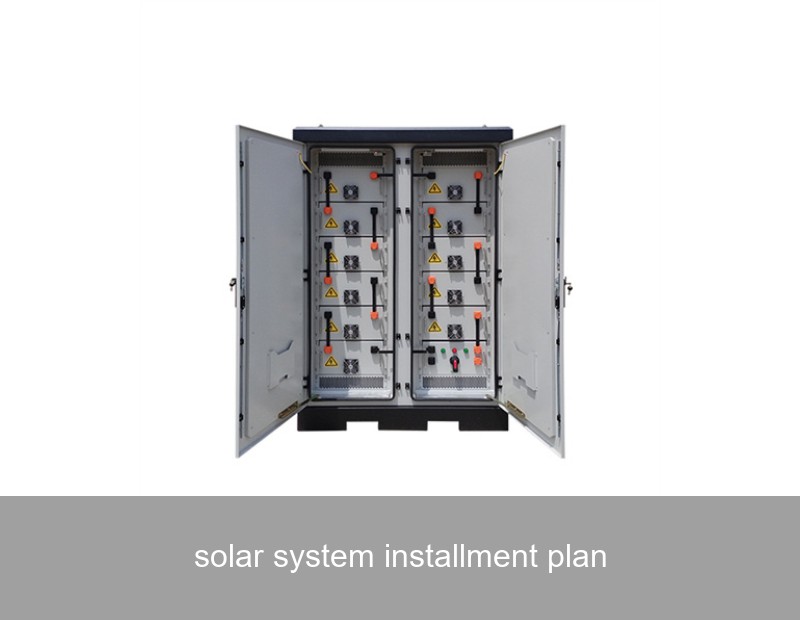
| Battery Storage System | ~30-40%+ (Optional but growing) | Stores excess solar energy for use at night or during outages. Critical for true energy independence. |
| Installation & Permits | ~20-25% | Professional labor, inspections, and grid connection paperwork. |
As you can see, adding a battery significantly increases the system's value and cost. A comprehensive solar system installment plan should offer the flexibility to include this crucial component from the start.

Image Source: Unsplash - A modern solar-powered home.
Case Study: The Peterson Family in Sacramento, California
Let's look at real numbers. The Peterson family had an average monthly electricity bill of $220. In 2022, they opted for a 8kW solar system with a 10kWh battery through a solar loan installment plan.
- Total System Cost: $32,000 (including battery & installation)
- Federal Tax Credit (26% at the time): -$8,320
- Net System Cost: $23,680
- Loan Terms: 12-year term at 4.5% APR
- Monthly Loan Payment: ~$215
- Post-Solar Average Utility Bill: ~$15 (grid connection fee)
- Total New Monthly Outlay: $230 (Loan + Utility)
The Result? An immediate, albeit small, $10 monthly saving. But the magic happened over time. When a heatwave caused rolling blackouts in their area, the Petersons' home stayed powered. Furthermore, their utility rates have increased by 22% since 2022 (U.S. EIA), but their loan payment is fixed, and their own solar production is free. Their savings are now over $60 per month and growing. Their solar system installment plan locked in their energy costs and provided resilience.
Beyond the Panels: Why Your Battery Choice Matters
As the case study shows, the battery is the game-changer. It's what transforms a solar system from a bill-reduction tool into a true home energy solution. Not all batteries are created equal. Key considerations include:
- Usable Capacity: How much energy you can actually use.
- Power Rating: How many appliances you can run simultaneously.
- Depth of Discharge (DoD): How much of the battery's capacity can be safely used without degrading it.
- Cycles & Warranty: The expected lifespan under real use.
Choosing a high-performance, durable battery ensures your investment is protected and delivers value for decades.
The Highjoule Solution: Smart Systems, Smarter Financing
This is where Highjoule's expertise becomes critical. Since 2005, we haven't just been installing panels; we've been engineering intelligent, integrated energy ecosystems. We understand that a solar system installment plan is about financing long-term performance, not just hardware.
Our approach is holistic:
- High-Performance Products: We offer top-tier solar panels paired with our proprietary Highjoule Hive battery storage system. The Hive is designed for maximum cycle life and efficiency, ensuring you store and use more of your self-generated solar power.
- AI-Driven Energy Management: Our systems come with smart energy managers that learn your consumption patterns. They automatically decide when to power your home, charge the battery, or export to the grid, maximizing your financial return.
- Tailored Financing Partnerships: Highjoule works with a network of trusted financial partners across Europe and the US. We help you navigate options to find a solar system installment plan that fits your budget, whether you prioritize the lowest monthly payment, the shortest term, or owning the system outright to capture all incentives.
- Commercial & Microgrid Solutions: For businesses and communities, our scalable solutions and financing models enable energy cost predictability and operational resilience at a larger scale.

Image Source: Unsplash - A modern home battery storage unit.
Making Your Decision: Key Questions to Ask
As you explore solar system installment plans, arm yourself with the right questions:
- Does this quote include an integrated battery storage solution, and if not, can it be easily added later?
- What is the total financed amount (including all fees), the APR, and the term?
- What is the projected monthly payment, and how does it compare to my current and projected utility costs?
- Who claims the tax credits and rebates? (With a loan, it's you; with a lease/PPA, it's the owner).
- What are the performance warranties on the panels and, crucially, the battery's capacity retention over time?
- How does the system's energy management software optimize my savings and self-consumption?
Your Path Forward
The journey to solar is no longer just about the technology—it's about accessible, smart financing that aligns with your financial goals. A well-structured solar system installment plan removes the upfront cost barrier, turning a long-term aspiration into an immediate, cash-flow-positive reality.
What specific concern about your home's energy consumption or electricity bill volatility would you most want a solar and battery plan to solve?
 Inquiry
 Online Chat