


The Self Sufficient Energy Home: Your Guide to Independence, Resilience, and Savings
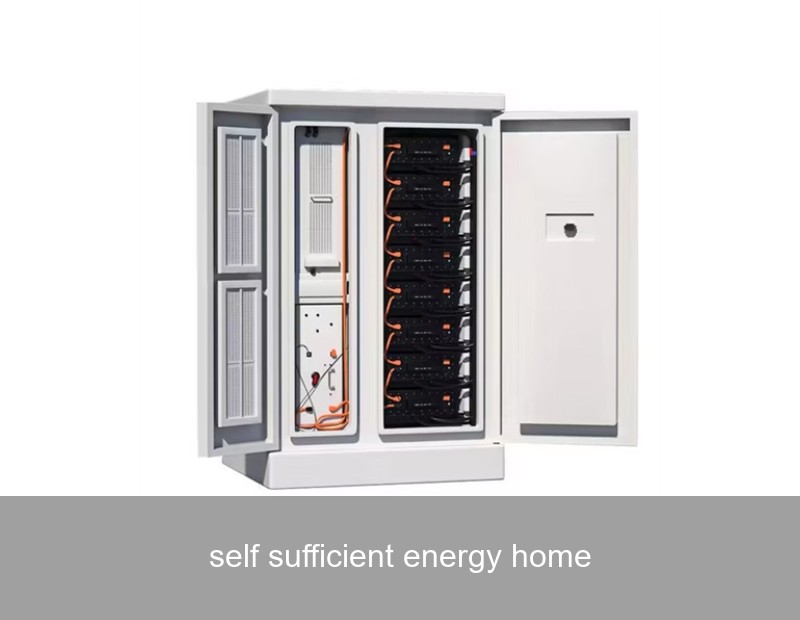
Imagine a home that powers itself. A home that shrugs off power outages, significantly reduces your energy bills, and shrinks your carbon footprint. This isn't science fiction; it's the reality of the self sufficient energy home. For homeowners in Europe and the US, rising energy costs and grid instability are no longer just headlines—they're monthly realities. But what does true energy self-sufficiency look like today? Let's explore the technology, the economics, and the tangible steps to transform your house into a resilient, intelligent power hub.
Table of Contents
- The Rise of the Energy-Independent Homeowner
- The Core Trio: Solar, Storage, and Smart Management
- Case Study: From Grid Anxiety to Energy Confidence in Bavaria
- The Highjoule Difference: Intelligent Systems for Real Independence
- The Financial Path to Your Self Sufficient Energy Home
- Is Your Home Ready for Energy Independence?
The Rise of the Energy-Independent Homeowner
The dream of a self sufficient energy home is driven by a powerful convergence of factors. First, the phenomenon: extreme weather events, from winter storms in Texas to heatwaves in Europe, have exposed the vulnerability of centralized grids. Second, the data: According to the U.S. Energy Information Administration, the average U.S. homeowner experienced just over eight hours of power interruptions in 2020, more than double the time in 2013. In the EU, energy prices have seen unprecedented volatility. This creates a compelling case for taking control.
Modern technology has finally caught up with the ambition. It's no longer just about solar panels on the roof. True self-sufficiency is an integrated system—a symphony of generation, storage, and intelligent management working seamlessly to meet your home's unique energy profile.
The Core Trio: Solar, Storage, and Smart Management
Building a self sufficient energy home rests on three interconnected pillars. Think of them as your home's new energy organs.
1. Solar PV: Your Personal Power Plant
Solar panels are the fuel source. Advances in photovoltaic (PV) efficiency mean smaller roof spaces can generate more power than ever. The key is a high-quality, durable installation designed for your local climate, whether it's the snowy winters of Minnesota or the sunny stretches of Southern Spain.
2. Battery Storage: Your Energy Insurance Policy
This is the heart of independence. A home battery system stores excess solar energy produced during the day for use at night, during peak tariff periods, or when the grid fails. Not all batteries are created equal. Key metrics include:
- Usable Capacity: How much energy you can actually use (in kWh).
- Power Rating: How many appliances you can run simultaneously (in kW).
- Depth of Discharge (DoD): The percentage of the battery you can use without harming its lifespan.
- Cycles: The number of charge/discharge cycles it's rated for.

Image Source: Unsplash - A modern, wall-mounted home battery system.
3. The Energy Management System (EMS): The Brain
The EMS is the intelligent controller that makes it all work as one system. It learns your consumption patterns, weather forecasts, and utility rate schedules to autonomously decide when to draw from solar, charge/discharge the battery, or pull from the grid, maximizing your savings and resilience.
Case Study: From Grid Anxiety to Energy Confidence in Bavaria
Let's look at a real-world example. The Müller family in a suburban home near Munich, Germany, was concerned about frequent grid fluctuations and wanted to reduce their reliance on volatile energy markets. Their goal: a near self sufficient energy home.
- System Installed (2022): 12.4 kWp solar array, 20 kWh lithium-ion battery system, integrated smart inverter and EMS.
- Results (First 12 Months):
Metric Result Grid Independence Increased from 30% to 85% annually Electricity Bill Savings €2,300 saved Self-Consumption of Solar Increased from 35% to over 90% Backup Power During Outages Full home functionality for critical loads for over 24 hours
"The peace of mind is priceless," says Mr. Müller. "During a recent regional outage, our lights stayed on, our fridge kept running, and our home office never skipped a beat. The system pays for itself while providing security we didn't have before."
The Highjoule Difference: Intelligent Systems for Real Independence
Since 2005, Highjoule has been at the forefront of making resilient, sustainable power a practical reality. We understand that a self sufficient energy home isn't just a collection of parts; it's a meticulously engineered ecosystem. Our ResiCore Home Energy System is designed specifically for this purpose.
What sets Highjoule apart is our integrated approach. The ResiCore system combines our high-density, long-lifecycle batteries with our proprietary Neuron Energy OS. This smart platform doesn't just react—it predicts and optimizes. By analyzing weather data, your historical usage, and real-time grid conditions, it proactively manages your energy flow to ensure you have power when you need it most, all while maximizing financial return.
For homeowners looking for a comprehensive solution, Highjoule offers end-to-end service: from initial consultation and custom system design using advanced modelling software, to professional installation by certified partners, and ongoing monitoring and support through our customer portal. We provide solutions for both new constructions and retrofits, ensuring every home can move toward greater energy independence.

Image Source: Unsplash - A digital dashboard monitoring home energy production and consumption.
The Financial Path to Your Self Sufficient Energy Home
The investment in a self sufficient energy home is significant, but the financial model has never been stronger. The cost of solar and storage has dropped dramatically over the past decade. Coupled with government incentives, the payback period is attractive.
- In the U.S.: The federal Investment Tax Credit (ITC) currently offers a 30% tax credit for both solar and standalone battery storage (as of 2023). Many states and utilities offer additional rebates.
- In Europe: Countries like Germany, Italy, and the UK offer various grants, low-interest loans, and VAT reductions for renewable energy and storage installations. The EU's renovation wave strategy also promotes such upgrades.
Beyond incentives, consider the avoided costs: protection from future utility rate hikes, the value of uninterrupted power for work-from-home professionals, and the potential increase in property value. When viewed as a long-term infrastructure investment for your property, the economics become compelling.
Is Your Home Ready for Energy Independence?
The journey to a self sufficient energy home starts with a single question: What does energy security mean to you and your family? Is it never worrying about a blackout during a storm? Is it locking in a predictable, low energy cost for the next 20 years? Or is it knowing your home is actively part of the climate solution?
Your home's potential is unique. Roof orientation, local weather patterns, your daily energy habits, and local regulations all shape the perfect system for you. The first, most powerful step is to understand your current energy footprint and your home's specific potential. What's one appliance you couldn't do without during a power outage, and how would you power it today?
 Inquiry
 Online Chat