


Solar System Kaise Lagwaye: Your Step-by-Step Guide to Going Solar
So, you've decided to harness the sun's power. "Solar system kaise lagwaye?" (How do I get a solar system installed?) is the crucial first question for homeowners and businesses across the US and Europe. The journey from a sunny idea to a functioning, money-saving solar power plant on your roof might seem complex, but it's a well-trodden path. This guide will demystify the process, breaking it down into clear, actionable steps. We'll also explore why pairing your panels with a modern battery storage system, like those from Highjoule, is becoming the new standard for true energy independence.
Step 1: Understanding Your Energy Needs and Solar Potential
Before contacting installers, look at your electricity bills. Your average monthly kilowatt-hour (kWh) consumption is the foundation. A typical American home uses about 887 kWh per month, while in Germany, it's closer to 2,500-3,500 kWh per year for a household. Next, assess your roof's suitability. Is it south-facing (in the Northern Hemisphere)? Is it shaded by trees or chimneys? Tools like Google's Project Sunroof can provide a preliminary estimate. This initial homework helps you have informed conversations with professionals.
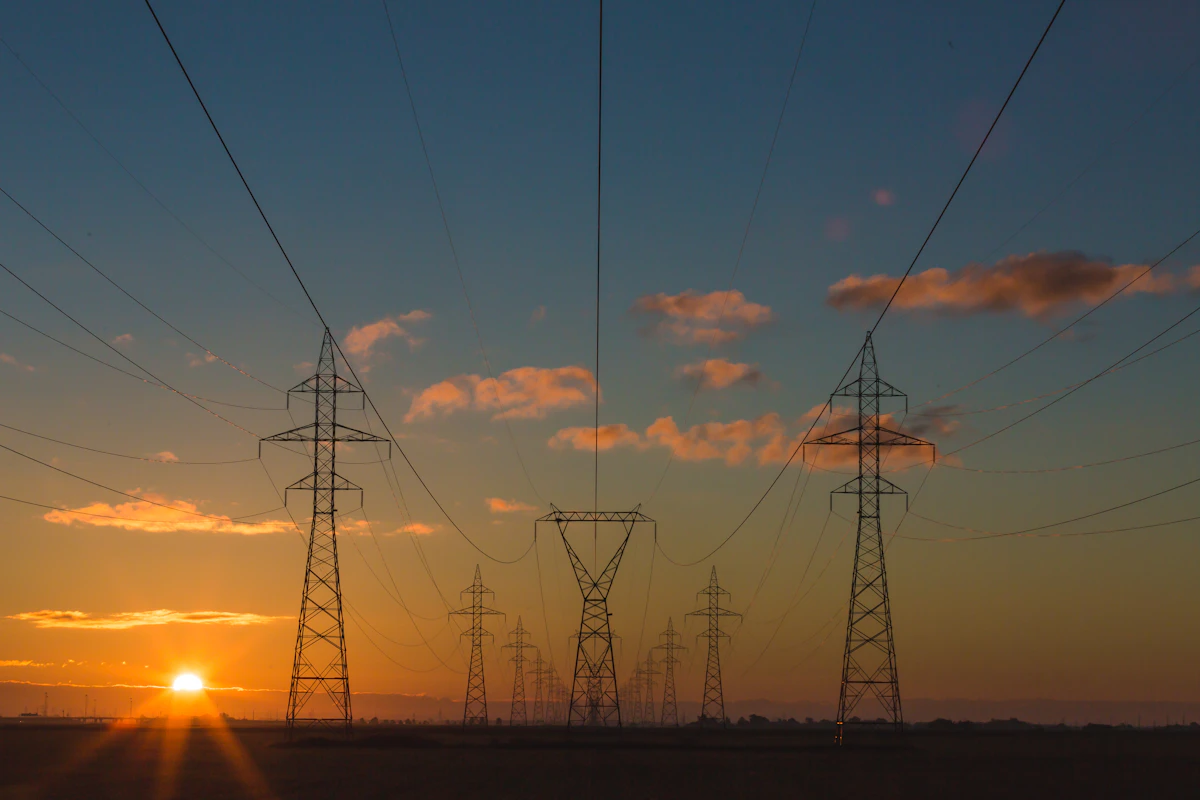
Image: Understanding your energy usage is the first step. Credit: Unsplash
Step 2: Finding and Vetting the Right Solar Installer
This is the most critical step. Look for certified, experienced installers with strong local reputations. In the US, check for NABCEP certification. In Europe, look for certifications like MCS in the UK or equivalent national schemes. Get at least three detailed quotes. A reputable proposal should include:
- System Size: Proposed capacity in kilowatts-peak (kWp).
- Equipment List: Brands and models of panels, inverters, and optional batteries.
- Production Estimate: Projected annual energy output in kWh.
- Warranties: Coverage for equipment, performance, and workmanship.
- Total Cost: A clear breakdown before and after incentives.
Step 3: The Site Assessment and System Design
Once you select an installer, they will conduct a detailed on-site survey. They'll measure your roof, assess the electrical panel, and identify any potential obstacles. Using this data, engineers design a system optimized for your specific location. This is where component quality matters. While many focus on panel efficiency, the inverter (which converts DC solar power to AC household power) is the system's brain. For even greater control and resilience, integrating a battery storage system from the start is highly recommended. Companies like Highjoule specialize in seamless solar-plus-storage solutions. Their HES Series Hybrid Energy Systems combine a high-efficiency inverter with intelligent battery management, allowing you to store excess solar energy for use at night or during power outages, maximizing your self-consumption.
Step 4: Navigating Permits, Incentives, and Financing
Your installer typically handles the paperwork, but it's good to understand the process. They will secure building and electrical permits from your local authority. Simultaneously, they will help you apply for available financial incentives. In the US, the federal Investment Tax Credit (ITC) is a major benefit. In Europe, schemes vary from feed-in tariffs (like in parts of Germany) to tax rebates (like in Italy). Financing options include solar loans, leases, and Power Purchase Agreements (PPAs). A clear installer will guide you through these options to find the best fit for your budget.
Step 5: What to Expect on Installation Day
Installation for a standard residential system usually takes 1-3 days. The process involves:
- Setting Up Safety: The crew secures the work area.
- Mounting the Hardware: Installing roof racks or ground mounts.
- Electrical Work: Placing panels, connecting wiring, and installing the inverter(s). If you've chosen a storage solution, the battery unit, such as Highjoule's compact and wall-mounted HES Series, is installed at this stage.
- Connection & Testing: The system is connected to your main panel and thoroughly tested.
After installation, a final inspection by the local utility or authority is required before you can "go live" and start generating power.
Step 6: Beyond Installation: Monitoring and Maintenance
Modern solar systems are largely maintenance-free. However, monitoring their performance is key to ensuring a good return on investment. Most systems come with a monitoring app that shows real-time production. Regular cleaning (if you're in a dusty area) and an annual visual check are usually sufficient. If you have a battery system, intelligent software handles complex charging cycles. For instance, Highjoule's systems include advanced Energy Management Software (EMS) that learns your consumption patterns, optimizes battery usage, and can even participate in grid services in some regions, potentially creating an additional revenue stream.
A Real-World Case Study: Solar + Storage in Hamburg, Germany
Let's look at a concrete example. The Schmidt family in Hamburg installed a 9.8 kWp solar system in 2022. While they were offsetting daytime usage, they were still buying expensive grid power in the evenings. In 2023, they added a Highjoule HES-10 hybrid system with 13.8 kWh of storage capacity.
| Metric | Before Storage (Solar Only) | After Adding Highjoule Storage |
|---|---|---|
| Self-Consumption Rate | 35% | 85% |
| Grid Import Reduction | ~4,200 kWh/year | ~6,800 kWh/year |
| Estimated Annual Bill Savings | €1,250 | €2,150 |
The data shows a dramatic increase in energy independence. The system now powers their home through the night and even during a short winter grid outage, providing peace of mind alongside financial savings. This case highlights the transformative impact of integrating storage from a leader like Highjoule.

Image: A modern home with solar panels and a wall-mounted battery storage unit. Credit: Unsplash
Your Energy Future Starts with a Question
The journey to answering "solar system kaise lagwaye" is one of empowerment. It moves you from being a passive consumer to an active producer—a "prosumer." With the right partner and a forward-thinking design that includes energy storage, you're not just installing panels; you're building a resilient, intelligent, and sustainable energy asset for your property. As energy prices continue to fluctuate and climate concerns grow, can you afford to let another sunny day go to waste? What would complete energy security look like for your home or business?
 Inquiry
 Online Chat