


Solar Systems for Sale in Zimbabwe: Powering Progress with Smart Energy Storage
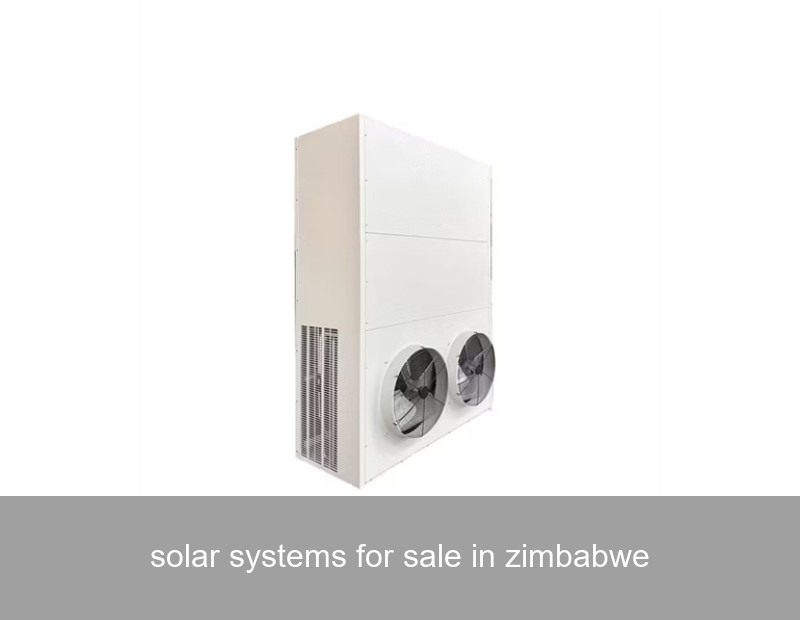
Zimbabwe stands at a pivotal moment in its energy journey. With abundant sunshine and a critical need for reliable power, the search for effective solar systems for sale in Zimbabwe is more than a trend—it's a national necessity. But purchasing panels is only half the battle. The true key to energy independence lies in what happens after the sun goes down: intelligent energy storage. This is where global expertise in advanced battery technology becomes crucial, transforming simple solar installations into resilient, 24/7 power systems.
Table of Contents
The Challenge: More Than Just Sunshine
Let's be honest, anyone considering solar in Zimbabwe is likely motivated by two things: harnessing that fantastic solar resource and overcoming frustrating grid instability. You might have experienced it—the productivity lost during load-shedding, the risk to perishable goods, or the interruption to essential services. A solar array alone acts as a daytime generator. Without storage, evenings and cloudy periods mean a fallback to the grid or a generator, defeating the purpose of true energy autonomy. The modern solution, therefore, isn't just a solar system for sale; it's an integrated solar-plus-storage system.

Image: A commercial solar installation. Source: Unsplash (Representative image)
The Data Reality: Storage is the Missing Link
The International Energy Agency (IEA) consistently highlights that the scalability of renewables hinges on storage. For instance, in markets like Zimbabwe, where grid access can be unreliable, pairing solar with storage can increase self-consumption of solar power from around 30-40% to over 80%. Think about that: doubling the utilization of the energy your panels produce. This isn't just about backup; it's about maximizing your financial return on investment and ensuring operational continuity.
Why Battery Chemistry Matters
Not all batteries are created equal. For commercial and industrial applications, three key factors are non-negotiable: cycle life (how many times you can charge/discharge), depth of discharge (how much capacity you can safely use), and thermal stability. Traditional lead-acid batteries offer a lower upfront cost but may need replacement every 3-5 years. Modern Lithium Iron Phosphate (LFP) batteries, like those used in Highjoule's H-Series commercial storage units, are designed for thousands of deep cycles, often coming with warranties of 10 years or more. This makes them a more cost-effective and reliable solution over the system's lifetime.
Case Study: A Zimbabwean Agro-Processor's Transformation
Let's look at a real-world example. A medium-sized horticultural processing facility in Mashonaland East was facing 8-10 hours of load-shedding daily, threatening the cold storage of its export-bound produce. They initially installed a 100kW solar PV system but remained reliant on diesel generators at night.
The Solution: In 2023, they integrated a 240kWh Highjoule H-Stack battery storage system with their existing solar. The system was configured for peak shaving (reducing grid draw during high-tariff periods) and providing full backup during outages.
| Metric | Before Storage | After Storage Integration |
|---|---|---|
| Grid Dependency at Night | 100% (Generator/Grid) | 15% (Grid only as top-up) |
| Diesel Fuel Costs | $18,000/month | $2,500/month |
| Solar Self-Consumption | ~35% | ~92% |
| ROI Period | N/A (Ongoing high costs) | Estimated 4.2 years |
This case demonstrates that the right storage solution doesn't just save power—it saves money and secures business operations. The facility now operates a near-24/7 schedule, has slashed its carbon footprint, and achieved predictable energy costs.
The Highjoule Advantage: Beyond the Battery Box
As a global leader founded in 2005, Highjoule understands that a battery is only as good as the intelligence that manages it. When evaluating solar systems for sale in Zimbabwe, it's vital to consider the brain of the operation: the Energy Management System (EMS).
Highjoule's Sentinel EMS is a cloud-based platform that turns a static storage system into a dynamic energy asset. For our clients in Africa, Europe, and the US, it delivers:
- Adaptive Control: Automatically switches between solar charging, grid charging (when tariffs are low), and discharge cycles based on weather forecasts and usage patterns.
- Remote Monitoring & Diagnostics: Facility managers can track system performance in real-time from anywhere, receiving proactive alerts for maintenance, a critical feature for remote sites.
- Scalability: Our modular H-Stack systems allow businesses to start with a foundation and expand storage capacity as their needs grow, protecting their initial investment.
For residential and microgrid applications, our HomePower and MicroGrid Nexus solutions bring the same robust, LFP-based technology and smart management to smaller-scale projects, ensuring every kilowatt-hour of Zimbabwean sunshine is captured and used effectively.

Image: Modular battery energy storage system units. Source: Unsplash (Representative image)
Choosing Your System: A Buyer's Framework
So, how do you navigate the market for a solar-and-storage solution? Ask these questions:
- What is my true energy goal? Is it pure backup, maximum self-consumption to reduce bills, or revenue generation through future grid services?
- What is the battery's core technology and warranty? Demand clarity on chemistry (LFP is often ideal), cycle life, and the terms of the warranty. A 10-year warranty on a 60% residual capacity is a strong signal of confidence.
- Is the system smart and future-proof? Can software updates add new features? Can the system integrate with other generators or the grid if regulations evolve? Highjoule designs with this flexibility in mind.
- What is the total lifetime cost? Consider installation, maintenance, expected replacement cycles, and efficiency losses over 10-15 years, not just the sticker price.
The Future is a Smart, Distributed Grid
The evolution of Zimbabwe's energy landscape points towards decentralized, resilient microgrids. Imagine communities, factories, or farms not just as consumers, but as proactive nodes in a smarter network. With advanced storage and management systems, these nodes can stabilize local grids, share excess power, and create a more robust national infrastructure from the ground up. Research from institutions like the National Renewable Energy Laboratory (NREL) underscores the transformative potential of solar-plus-storage in accelerating energy access and economic development.
As you explore the various solar systems for sale in Zimbabwe, we leave you with this question: Is your goal simply to buy solar panels today, or to invest in a comprehensive energy solution that will power your growth and resilience for the next decade and beyond?
 Inquiry
 Online Chat