


Finding Your Ideal Solar Panel Supplier: A Guide to Sustainable Energy Independence
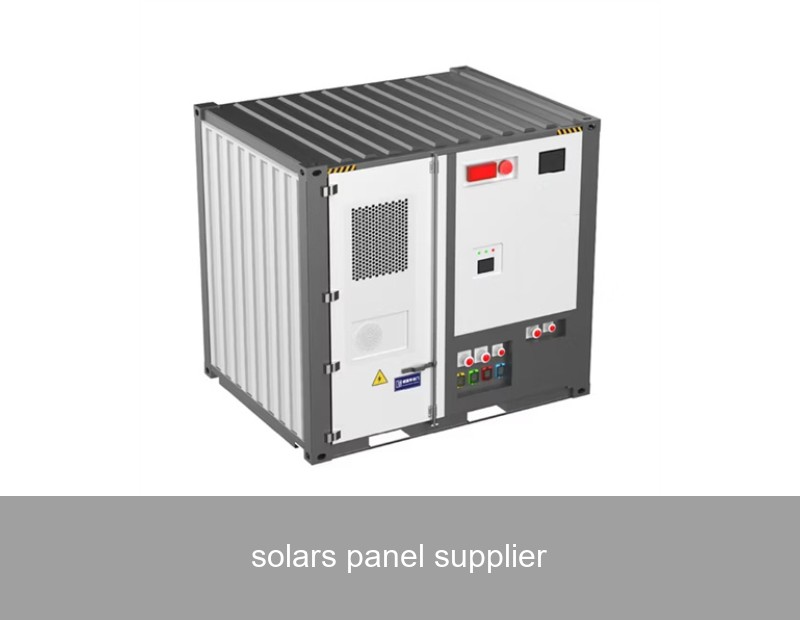
So, you've decided to harness the sun's power. It's a brilliant move, promising lower energy bills and a lighter carbon footprint. But here's the first, and often most crucial, hurdle: choosing the right solar panel supplier. This isn't just about buying panels; it's about selecting a partner for your long-term energy journey. The market is flooded with options, from panel-only vendors to full-service system integrators. How do you navigate this landscape, especially in regions like Europe and the U.S. where regulations and incentives vary? This guide will walk you through the key considerations, moving beyond the sticker price to what truly matters for a reliable and high-performing solar investment.
Table of Contents
What Makes a True Solar Panel "Supplier"?
Let's clarify the term. A simple component seller provides you with solar panels, likely from a catalog. A true solar panel supplier, however, acts as a solutions provider. They understand that a panel is only one piece of a complex energy puzzle. They consider your location's solar irradiance, your property's energy consumption patterns, local grid policies, and financial incentives.
In Europe and the U.S., this holistic approach is vital. For instance, a homeowner in sun-drenched Arizona has different needs than one in Germany, where diffuse light is more common. A reputable supplier will factor this in, recommending panel technologies (like monocrystalline PERC or bifacial) that maximize yield in your specific environment. They provide not just hardware, but expertise.
Beyond the Panel: The Critical Role of System Integration
Think of your solar array as a team. The panels are the star players, but they need a skilled coach and reliable teammates to win the game. This is where system integration comes in.
- The Inverter: This is the brain, converting DC solar power to usable AC power. Its quality and compatibility with your panels are non-negotiable.
- The Mounting System: It's the foundation. A poorly designed racking system can compromise installation safety and long-term panel durability against wind and snow.
- Monitoring & Software: How will you track production and savings? Advanced software platforms are now essential for system health and ROI analysis.
This integrated view is where companies like Highjoule excel. With nearly two decades of experience since 2005, we've evolved from a component supplier to a comprehensive energy solutions partner. For residential and commercial clients, we don't just supply high-efficiency panels; we engineer the entire system. Our smart energy management platforms, like the Highjoule Harmony OS, seamlessly integrate solar generation with battery storage and grid interaction, ensuring every kilowatt-hour you produce is used intelligently.
The Storage Imperative: Why Solar Alone Isn't Enough
Here's a common phenomenon: your solar panels produce a surplus at noon, but you're not home to use it. That excess energy gets sold back to the grid at a low rate. Then, in the evening when demand peaks, you buy back expensive grid power. See the issue? This is the next logical step in your energy evolution.
Pairing solar with a battery energy storage system (BESS) turns your setup into a true personal power plant. You store your midday surplus and use it when you need it most, maximizing self-consumption and providing crucial backup power during outages. This combination is becoming standard for forward-thinking homeowners and businesses alike.

Image: A modern home solar installation with integrated battery storage. Source: Unsplash (Representative image)
For commercial and industrial applications, this integration is even more critical. Highjoule's Industrial BESS solutions allow businesses to perform peak shaving—reducing consumption during costly peak tariff periods—and enhance energy resilience. Our systems are designed to work in harmony with your existing or new solar PV, managed by our proprietary AI-driven software for optimal financial and operational outcomes.
Data & Case Study: The Proof is in the Performance
Let's move from theory to real-world data. Consider the case of a mid-sized dairy farm in Northern Germany, a region not known for endless sunshine. The farm faced high and volatile energy costs for its cooling and milking operations.
| Metric | Before Highjoule System | After Highjoule System |
|---|---|---|
| Annual Energy Cost | €85,000 | €41,000 |
| Grid Dependency | 95% | 35% (peak summer) |
| CO2 Footprint | ~210 tonnes/year | ~85 tonnes/year |
| System Components | N/A | 145 kWp Solar PV + 240 kWh Battery Storage + Highjoule Microgrid Controller |
The farm partnered with a Highjoule-certified installer. We supplied not just the solar panels and batteries, but the complete microgrid control system. The result? A 52% reduction in energy costs and dramatically increased resilience. The system is designed to prioritize solar self-consumption, store excess energy, and automatically switch to battery power during peak grid pricing events. This case exemplifies the modern role of a solar panel supplier: delivering a measurable outcome, not just hardware. For more on commercial solar benefits, see this report by the Solar Energy Industries Association (SEIA).
Choosing a Partner, Not Just a Supplier
Given this complexity, your selection criteria must evolve. Here’s a checklist for evaluating a potential partner:
- End-to-End Capability: Do they offer design, certified components, installation support, and long-term service?
- Technology Agnosticism: Do they recommend the best-fit panels and storage for your needs, or only their own branded inventory?
- Software Intelligence: Can they provide a user-friendly platform for monitoring and controlling your energy flows?
- Local Compliance & Incentive Knowledge: Are they experts in your local building codes, grid connection rules, and subsidy programs (like the U.S. ITC or European schemes)?
- Financial Stability & Warranty: Will they be around in 15 years to honor their performance warranties?
Highjoule's approach is built on this partnership model. We work through a network of certified and trained installers, ensuring local expertise is backed by global engineering standards. Our 25-year linear performance warranty on panels and 10-year warranty on integrated storage systems provide the peace of mind that defines a true long-term supplier relationship.
Future-Proofing Your Investment: The Microgrid Vision
The ultimate goal for many is energy independence. This is where the concept of the microgrid emerges. Imagine your home or business not just as a consumer, but as the hub of a localized, intelligent grid that can operate independently if needed.

Image: A conceptual diagram of a community microgrid with solar and storage. Source: Unsplash (Representative image)
This vision requires deep expertise in power electronics, system control, and grid-forming inverters. It's the natural extension of our work. Highjoule's microgrid solutions for communities, campuses, and industrial sites allow clusters of solar-and-storage systems to communicate and operate as a single, resilient entity. When you choose a solar panel supplier today, you should be considering their roadmap and capability to help you reach this future state. For a deeper dive into microgrid technology, the U.S. Department of Energy offers a comprehensive resource.
Your journey to solar energy is exciting. But the landscape is more than just shiny panels on a roof. It's about integrated systems, intelligent software, and a partnership that lasts for decades. As you evaluate your options, ask yourself: Are you looking for a box to check, or a foundation for your sustainable energy future? What would true energy independence look like for your home or business?
 Inquiry
 Online Chat