


Solbright Energy Solutions: Illuminating a Smarter, More Resilient Energy Future
Have you ever looked at your electricity bill and wondered, "There must be a better way?" Or perhaps you're driven by a desire for energy independence and sustainability, but the path seems complex. You're not alone. Across homes in California and businesses in Germany, a quiet revolution is happening. It's not just about installing solar panels anymore; it's about intelligent, integrated Solbright energy solutions. These systems represent a fundamental shift from simply generating solar power to actively managing, storing, and optimizing every kilowatt-hour for maximum efficiency, resilience, and savings. Let's explore how this integrated approach is redefining our relationship with energy.
The Energy Shift: From Passive to Proactive
For years, the standard solar setup was straightforward: panels on the roof, an inverter, and a one-way flow of energy to the home or back to the grid. This was a great first step. However, it left users vulnerable to two major issues: the intermittency of sunshine and fluctuating utility rates. When clouds roll in or the sun sets, the power stops. Conversely, during peak sun hours, you might be exporting excess energy at low rates, only to buy it back at night at a premium.
The data paints a clear picture. According to the International Renewable Energy Agency (IRENA), solar PV capacity is soaring globally, but grid integration and management are the new frontiers. In markets like Texas or parts of Europe with dynamic time-of-use tariffs, the price difference between peak and off-peak electricity can be over 70%. This volatility isn't just a line item on a bill; it's a risk for business operations and household budgets.
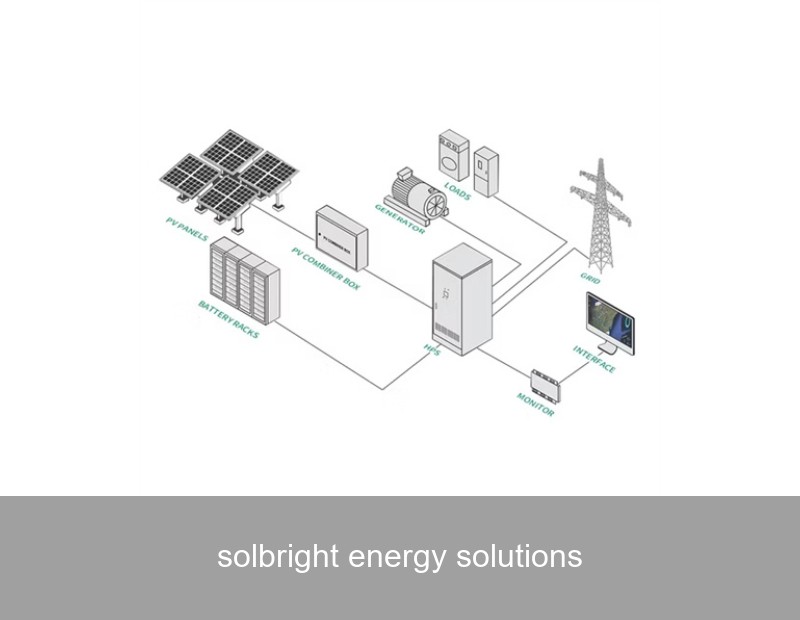
This is where the modern concept of Solbright energy solutions shines. It's a holistic system that combines generation (solar PV), storage (battery systems), and smart energy management software. Think of it not as a set of components, but as a self-aware energy ecosystem for your property. It proactively makes decisions: store solar energy now, use battery power during the expensive evening peak, or keep a critical backup reserve for an outage.

Image Source: Unsplash - A modern home equipped with integrated solar and storage.
Key Components of a Modern Solbright System
To understand the power of an integrated solution, let's break down its core intelligence:
- High-Efficiency Solar Photovoltaics (PV): The generation workhorse. Today's panels are more efficient and durable, capturing more energy from the same rooftop footprint.
- Advanced Battery Energy Storage System (BESS): The heart of resilience and arbitrage. Lithium-ion batteries, like those using LiFePO4 chemistry, store surplus solar energy for use on demand.
- Smart Hybrid Inverter/Controller: The system's brain. This device doesn't just convert DC to AC; it intelligently directs energy flow between solar panels, batteries, the home, and the grid based on pre-set algorithms and real-time data.
- Energy Management Software (EMS): The strategic command center. Accessible via a smartphone app, it provides real-time monitoring, consumption analytics, and allows users to set preferences (e.g., "maximize self-consumption" or "prioritize backup").
| System Component | Primary Function | Benefit to User |
|---|---|---|
| Solar PV Array | Converts sunlight into electricity | Reduces grid dependence, lowers carbon footprint |
| Battery Storage (BESS) | Stores excess solar energy | Provides backup power, enables time-of-use savings |
| Smart Inverter & EMS | Manages and optimizes energy flow | Maximizes financial return and system efficiency |
A Real-World Case Study: The Munich Bakery
Let's move from theory to a tangible example. Consider "Bäckerei Schmidt," a family-run artisan bakery in Munich, Germany. Their challenge was twofold: high energy costs for refrigeration and ovens, and the risk of spoilage during even brief grid outages. A standard solar system would only address part of the problem.
They implemented a comprehensive Solbright energy solution designed for commercial needs. The system included a 50 kWp solar array, a 40 kWh Highjoule CubeStack commercial battery system, and Highjoule's proprietary SynergyOS energy management platform.
The results, monitored over one year, were compelling:
- Energy Self-Sufficiency: Increased from 35% (solar only) to 85% (solar + storage).
- Cost Savings: Reduced electricity bills by 68% by avoiding peak tariffs and minimizing grid imports.
- Resilience: The system seamlessly powered critical cooling units during two planned grid maintenance outages, preventing thousands of euros in potential lost inventory.
- Sustainability: Achieved an annual carbon footprint reduction of 42 metric tons of CO2.
This case, documented in a IEA Photovoltaic Power Systems Programme report on commercial PV+storage, illustrates the multiplicative benefits of integration. For Bäckerei Schmidt, it wasn't just about solar panels; it was about guaranteed operational continuity and predictable energy costs.
Highjoule's Role in Your Solar & Storage Journey
Since 2005, Highjoule has been at the forefront of this intelligent energy transition. We understand that a true Solbright energy solution is more than hardware; it's a tailored strategy. Our approach for residential, commercial, and microgrid applications is built on three pillars:
- Intelligent Hardware: Our product lines, like the Highjoule HOMES series for residences and the CubeStack modular system for businesses, are designed for safety, longevity, and seamless integration. We use best-in-class LiFePO4 battery chemistry for its safety profile and long cycle life.
- Smart Software: The Highjoule SynergyOS platform is the glue that binds the system together. It uses weather forecasting, energy price signals (where available), and usage patterns to autonomously optimize your energy flow for your specific goals.
- Expert Integration & Support: Our global network of certified partners provides expert design, installation, and lifelong support, ensuring your system performs optimally for decades.
For a homeowner in Arizona, this might mean a Highjoule HOMES system configured to power the air conditioning through the hottest, most expensive afternoon hours from stored solar energy. For a factory in Italy, it might mean a CubeStack system that performs peak shaving to avoid demand charges, significantly reducing operational overhead.

Image Source: Unsplash - A technician servicing a commercial-scale battery storage system.
Future Trends in Solar Energy Management
The evolution of Solbright energy solutions is accelerating. We are moving towards even more interactive and community-oriented models. Two key trends are emerging:
- Virtual Power Plants (VPPs): Networks of distributed home battery systems, like those from Highjoule, can be aggregated to form a "virtual" power plant. This pool of stored energy can support the main grid during times of high demand, enhancing grid stability and potentially providing revenue streams for participants. Pilot programs are already active in California and parts of the EU.
- AI-Driven Predictive Optimization: The next generation of energy management software will use advanced machine learning to predict household energy patterns with extreme accuracy, further refining storage and usage schedules for unprecedented efficiency.
These innovations point to a future where every building with a Solbright system isn't just a passive consumer but an active, intelligent node in a cleaner, more resilient energy network.
So, as you consider taking control of your energy future, what will be the primary driver for your decision: achieving total energy independence, insulating your home or business from rising and volatile prices, or contributing to a more stable and sustainable grid for your community?
 Inquiry
 Online Chat