


Understanding Solar Energy Storage Cabinet Sizes and Types for Your Energy Independence
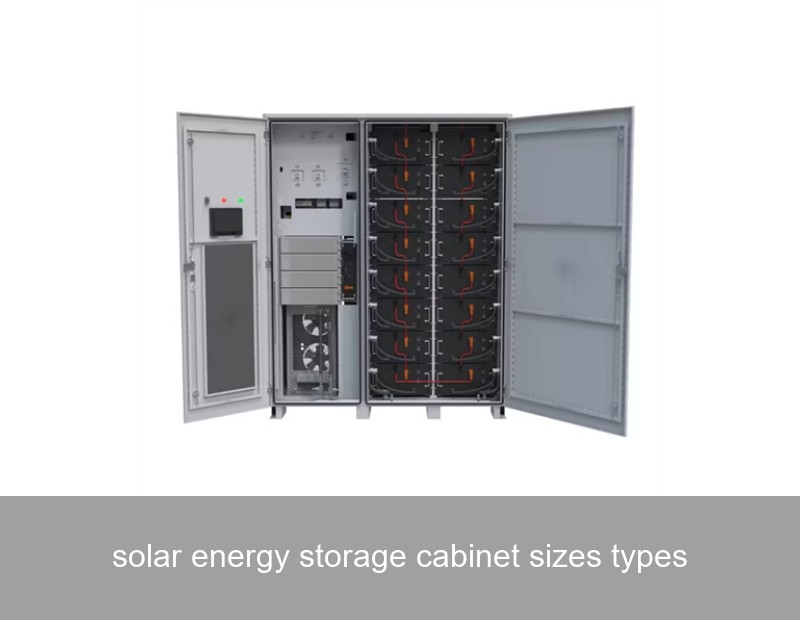
You've made the smart decision to invest in solar panels. But as the sun sets, a crucial question arises: how do you keep the lights on and make the most of the clean energy you've generated? This is where the solar energy storage cabinet comes in—the silent, intelligent heart of a modern home energy system. Choosing the right size and type isn't just about technical specs; it's about tailoring energy resilience to your life. For over 18 years, Highjoule has been at the forefront of this technology, empowering homeowners and businesses across Europe and the U.S. to take true control of their power. Let's demystify the options and find your perfect fit.
Table of Contents
Why Storage Cabinet Size and Type Matter More Than You Think
Think of your solar energy storage system like a water tank for electricity. The size (capacity) determines how much surplus solar energy you can save for later. The type (chemistry and configuration) determines how efficiently you can access it, how long the system lasts, and how safely it operates. An undersized cabinet leaves you still reliant on the grid during peak evening hours. An oversized one represents an unnecessary upfront investment. Getting this balance right is the key to maximizing your return on investment and achieving true energy independence.
Key Factors Determining Your Ideal Cabinet Size
So, how do you calculate what's right for you? It's not guesswork. We use a clear framework based on three pillars:
- Daily Energy Consumption: This is your starting point. Review your electricity bills to find your average daily kWh usage. Your storage should ideally cover your critical "non-solar" hours, typically evenings and nights.
- Solar PV System Size: How much excess energy does your rooftop array typically produce? A 10kW solar system will generate more surplus to store than a 5kW one, potentially justifying a larger storage cabinet.
- Energy Independence Goals: Are you looking for basic "backup" for essential circuits (lights, fridge, modem) during an outage, or do you aim to "time-shift" most of your usage to avoid high utility rates? The latter requires a significantly larger capacity.
For a typical American home consuming about 30 kWh per day, a storage system sized to cover 50-80% of that can dramatically reduce grid dependence.
Common Types and Sizes of Solar Energy Storage Cabinets
The market offers a spectrum of solutions, often categorized by the battery chemistry and physical integration. Here’s a breakdown:
| Type / Chemistry | Typical Size Range (Useable Capacity) | Best For | Form Factor |
|---|---|---|---|
| All-in-One (Hybrid) Systems | 5 kWh - 20+ kWh (modular) | New solar installations, seamless integration, whole-home backup. | Single cabinet housing inverter, battery, and management system. |
| Lithium Iron Phosphate (LFP) Battery Cabinets | 10 kWh - 30+ kWh (stackable) | Long cycle life, safety, and daily cycling. The current industry standard. | Slim, wall-mounted or floor-standing modular units. |
| AC-Coupled Battery Cabinets | 3 kWh - 15 kWh per unit | Retrofitting to existing solar systems, flexible placement. | Standalone cabinet, often wall-mounted in garage or utility room. |
LFP chemistry, which Highjoule employs across its product line, has become the dominant choice due to its superior thermal stability, long lifespan (often over 6,000 cycles), and excellent depth of discharge. You can learn more about the safety advantages of LFP from resources like the U.S. Department of Energy.

A modern LFP battery cabinet integrates discreetly into a home's utility space.
Highjoule's Tailored Solutions: From Compact to Commercial
At Highjoule, we don't believe in a one-size-fits-all approach. Our product range is designed to meet the precise needs of different properties and goals, ensuring you get the most value and performance.
- Residential Series (HES-Home): Our flagship product for homeowners. The HES-Home 10 is a sleek, wall-mounted LFP cabinet with a 10.2 kWh usable capacity, perfect for average family homes. It's modular, meaning you can start with one unit and seamlessly add a second later to create a 20.4 kWh system as your needs evolve—a perfect answer to the question of "what size?".
- Commercial & Industrial Series (HES-Pro): For businesses, schools, or microgrids, our floor-standing HES-Pro Cabinet is a powerhouse. Each cabinet offers up to 30 kWh and can be paralleled to form systems in the MWh range. They are engineered for high-throughput cycling and peak shaving, directly cutting demand charges—a major operational cost.
- Our Smart Energy Management OS: Crucially, every Highjoule cabinet is powered by our proprietary JouleOS. This intelligent software doesn't just store energy; it learns your usage patterns, weather forecasts, and utility rate schedules to automatically optimize when to charge from solar, when to discharge, and when to export, maximizing your economic benefit regardless of the physical cabinet size.
A Real-World Case: The Smithson Residence in Hamburg
Let's look at data from a real installation. The Smithson family in Hamburg, Germany, had a 12kWp solar array but was still exporting 40% of their generation back to the grid at low feed-in tariffs while buying expensive power in the evening.
- Challenge: Increase self-consumption, provide backup for essential loads during frequent winter grid fluctuations.
- Solution: A single Highjoule HES-Home 10 cabinet (10.2 kWh).
- Result: Post-installation data over one year showed their self-consumption rate jumped from 60% to 92%. Their grid electricity purchases during high-rate periods (4 PM - 10 PM) fell by over 85%. The system automatically provided backup during 4 brief grid outages, with the family noticing only a brief flicker of lights. The cabinet's compact size allowed for installation in their basement utility room without consuming valuable space.
This case, replicated across thousands of homes, shows that the right-sized, intelligent storage system pays dividends in comfort, control, and cost savings.

Smart energy management software optimizes the charge/discharge cycle of your storage cabinet.
Making the Right Choice for Your Home
Navigating the world of solar energy storage cabinet sizes and types can seem complex, but it boils down to aligning technology with your personal energy narrative. Start by auditing your last year of electricity bills. Then, envision what energy security looks like for you—is it keeping the heat on during a storm, or simply wiping out your peak-time utility bill?
As a leader with nearly two decades of innovation, Highjoule is committed to providing not just hardware, but a comprehensive energy partnership. Our certified installers across Europe and North America are experts in performing detailed energy assessments to recommend the perfect cabinet size and type for your unique situation.
What's the first energy-dependent appliance you'd want to secure during a power outage, and how would that priority guide the size of the storage system you need? Sharing this priority with your installer is the perfect first step toward your tailored energy solution.
 Inquiry
 Online Chat