


Why and How to Store Electricity at Home: A Guide to Energy Independence
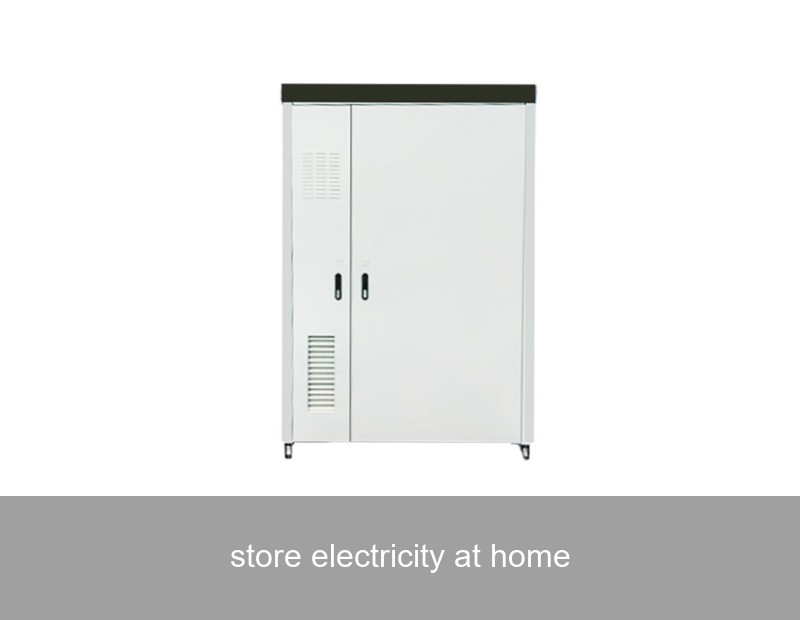
Have you ever watched a storm roll in and wondered, "What if the power goes out?" Or opened your monthly utility bill with a sense of dread? You're not alone. Across Europe and the U.S., homeowners are increasingly seeking control over their energy. The solution lies in a powerful concept: the ability to store electricity at home. It's no longer science fiction; it's a practical technology reshaping how we power our lives. This guide will walk you through the 'why' and 'how,' using real-world examples and insights to help you understand if home energy storage is the right move for your journey towards a more resilient and sustainable future.
Table of Contents
- The Rising Demand for Home Energy Storage
- How Does Storing Electricity at Home Actually Work?
- Key Benefits: Beyond Just Backup Power
- A Real-World Case Study: California's Success Story
- Choosing the Right System for Your Home
- The Highjoule Approach: Smart, Integrated Storage
- Future Trends in Home Energy Storage
The Rising Demand for Home Energy Storage
The drive to store electricity at home isn't happening in a vacuum. It's a direct response to several converging global phenomena. First, climate change is increasing the frequency and severity of extreme weather events, leading to more frequent and prolonged power outages. In the U.S. alone, the number of weather-related power outages increased by roughly 78% from 2011 to 2021. Secondly, electricity prices are volatile and generally rising, pushing homeowners to find ways to lock in their energy costs.
But perhaps the biggest catalyst is the solar revolution. As solar panel costs have plummeted, millions have installed them. However, solar panels produce energy only when the sun shines. This creates a mismatch: you generate excess power at midday but need it most in the evening. Without a way to store electricity at home, that surplus energy is often sent back to the grid for minimal credit. A home battery system solves this by capturing that midday solar bounty for use anytime, truly maximizing your investment in renewables.
How Does Storing Electricity at Home Actually Work?
Let's demystify the technology. A modern home energy storage system is an elegant symphony of components:
- The Battery: The heart of the system. Most modern systems use Lithium Iron Phosphate (LFP) chemistry, prized for its safety, long lifespan (often 10+ years), and stability. It's where the electrical energy is physically stored as chemical energy.
- The Inverter/Charger: The brain and the translator. This critical device does two main jobs. It converts the direct current (DC) electricity from your solar panels or stored in the battery into the alternating current (AC) that your home appliances use. It also intelligently manages when to charge the battery (from solar or the grid) and when to discharge it to power your home.
- The Energy Management System (EMS): The strategic commander. This software uses algorithms and sometimes weather forecasts to make intelligent decisions. Should it charge the battery now because a storm is coming? Should it power the home from the battery during peak grid rates to save money? The EMS optimizes for your priorities, whether it's savings, backup, or green energy use.
Think of it like a sophisticated, automated pantry for your electricity. Instead of consuming groceries (electricity) the moment you buy them (generate them), you store the surplus in an organized, climate-controlled pantry (the battery) to enjoy exactly when you need it most.
Key Benefits: Beyond Just Backup Power
The most obvious advantage is backup power during an outage—imagine your lights, fridge, and internet staying on while the neighborhood goes dark. But the benefits run much deeper:
- Maximizing Self-Consumption: Use more of the solar energy you produce, sometimes increasing your consumption of self-generated power from 30% to 70% or more.
- Peak Shaving: Utility companies often charge higher rates during "peak" evening hours. Your battery can power your home during these expensive periods, slashing your bills.
- Grid Support & Incentives: In some regions, you can even earn credits or payments by allowing your battery to provide tiny amounts of support to the main electrical grid during times of high stress (a concept called virtual power plants).
- Increased Energy Independence: Reduce your reliance on the utility grid and its fluctuating prices, giving you predictable energy costs and peace of mind.
A Real-World Case Study: California's Success Story
Let's look at hard data from a leading market. California has been a pioneer in both solar adoption and grid challenges. Following strong state incentives and facing Public Safety Power Shutoffs (PSPS) due to wildfire risk, the state saw a massive surge in home battery installations.
A 2023 report by the California Solar & Storage Association (CALSSA) revealed staggering growth: over 150,000 home battery systems were installed in the state by the end of 2022, with the market growing by over 50% annually. One compelling case is a community in Sonoma County. After repeated PSPS events lasting days, a neighborhood group collectively invested in solar and storage systems. One homeowner, the Miller family, installed a 10 kW solar array with a 15 kWh battery. In the first year:
| Metric | Result |
|---|---|
| Annual Electricity Bill Savings | $1,850 |
| Hours of Backup Power Provided | 42 hours (across 3 outages) |
| Percentage of Solar Energy Self-Consumed | Increased from 35% to 81% |
This data isn't just numbers; it represents real resilience and economic savings. The ability to store electricity at home transformed their experience from one of vulnerability to one of control.

Image Source: Unsplash - Example of a modern home solar and storage installation.
Choosing the Right System for Your Home
Selecting a system isn't one-size-fits-all. Key considerations include:
- Capacity (kWh): How much energy do you need to store? This depends on your essential loads during an outage and your daily consumption patterns.
- Power Rating (kW): How many appliances can it run at once? Starting a heat pump or well pump requires a high instantaneous power output.
- Scalability: Can you add more batteries later if your needs grow?
- Integration: Does it seamlessly integrate with new or existing solar panels and your home's electrical panel?
- Software & Monitoring: Is the energy management software intuitive and powerful, giving you control and visibility via a smartphone app?
The Highjoule Approach: Smart, Integrated Storage
This is where expertise matters. At Highjoule, with nearly two decades of experience since 2005, we design systems that address these exact considerations. Our residential HOMEGUARD series isn't just a battery in a box; it's a fully integrated energy ecosystem.
Our systems feature modular LFP battery packs, allowing you to start with what you need and expand effortlessly. The true intelligence lies in our Adaptive EMS Platform. It doesn't just react; it learns from your household's energy habits and syncs with local weather forecasts. If a major storm is predicted for tomorrow, it will proactively ensure your battery is fully charged from solar today, prioritizing your security. Furthermore, for homeowners with electric vehicles, our platform can coordinate between your car's charging schedule and your home's energy needs, creating a truly holistic home energy network.
We understand that installing a system to store electricity at home is a significant decision. That's why our service includes a detailed energy audit, custom system design, professional installation by certified technicians, and ongoing performance monitoring to ensure your system delivers on its promise for years to come.

Image Source: Unsplash - Close-up view of a sleek home battery storage unit.
Future Trends in Home Energy Storage
The technology is evolving rapidly. We're moving towards even more intelligent systems that participate in virtual power plants (VPPs), where thousands of home batteries are aggregated to act like a single, large power plant, supporting grid stability and earning rewards for homeowners. Battery chemistry continues to improve, promising longer lifespans and even safer operation. The integration with electric vehicles is also deepening, with bi-directional charging (vehicle-to-home or V2H) allowing your EV's large battery to power your home in a pinch.
The journey to energy independence is accelerating. With the right knowledge and the right partner, the power to store electricity at home is firmly within your grasp. It's an investment not just in technology, but in predictability, sustainability, and resilience for your household.
What's the first question you would ask an energy expert to assess your home's potential for battery storage?
 Inquiry
 Online Chat