


Your Guide to the Modern Supplier of Cloud Solar Solutions
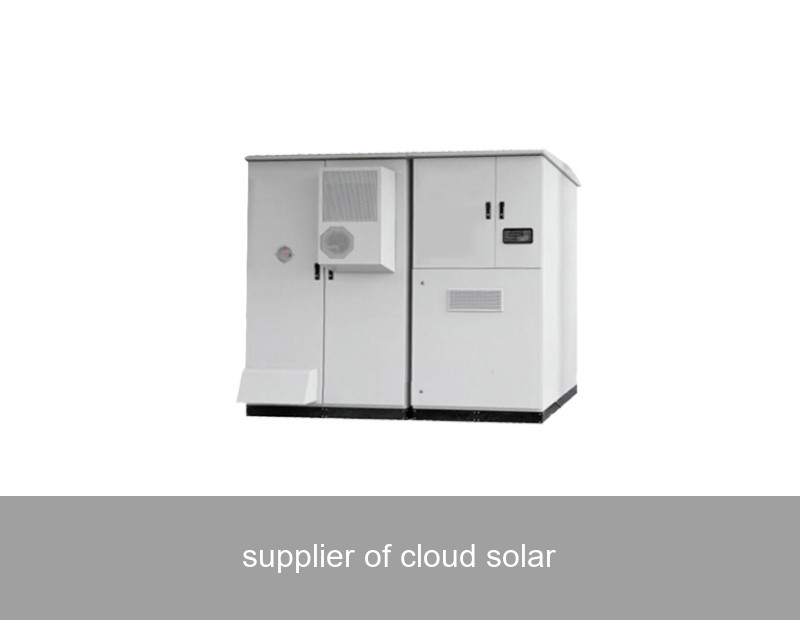
Have you ever looked at a vast, data-rich cloud platform and then at your solar panels, and wondered: "What if they could talk to each other?" That's precisely the revolution happening in energy today. The traditional solar installer is evolving into a sophisticated supplier of cloud solar solutions. This isn't just about selling hardware; it's about delivering an intelligent, connected ecosystem that maximizes your energy independence and financial return from the sun. For businesses and homeowners across Europe and the US, this shift is transforming solar from a static power source into a dynamic, data-driven asset.
Table of Contents
The Phenomenon: From Simple Solar to Intelligent Nodes
A decade ago, a solar installation was largely a one-way street. Panels produced DC power, an inverter converted it to AC, and it fed your home or the grid. Performance monitoring was often basic, if it existed at all. Fast forward to today, and the landscape is unrecognizable. The modern supplier of cloud solar provides a system where every component—solar panels, battery storage, inverter, and even major appliances—communicates via the Internet of Things (IoT). This network feeds real-time data to a secure cloud platform, where advanced algorithms analyze weather patterns, energy consumption habits, and electricity tariffs. The system then makes autonomous decisions: store excess energy, schedule high-power activities for peak solar hours, or even sell power back to the grid at the most profitable time.

Image Source: Unsplash (Representative image of cloud-connected solar technology)
The Data: Quantifying the Cloud Solar Advantage
The benefits of this integrated approach are substantial and measurable. Let's break them down:
- Increased Self-Consumption: A standard solar system might achieve 30-40% self-consumption of the energy it produces. With cloud-optimized battery storage and smart load control, this figure can soar to 70% or higher, drastically reducing grid reliance.
- Enhanced ROI: By intelligently arbitraging energy—storing when prices are low and using or selling when they are high—cloud solar systems can improve the financial return on investment by 15-25% over their lifetime compared to traditional setups.
- Grid Support & Stability: In regions like California or parts of Europe, virtual power plants (VPPs) aggregate thousands of cloud-connected systems. During peak demand, these VPPs can feed power back, stabilizing the grid and preventing blackouts. A U.S. Department of Energy article highlights the growing importance of these distributed resources.
The numbers speak for themselves. This isn't marginal improvement; it's a fundamental upgrade in how we harness solar energy.
Case Study: A German Bakery's Recipe for Resilience
Let's make this concrete with a real-world example. Bäckerei Schmidt, a mid-sized bakery in Bavaria, Germany, faced two major challenges: soaring energy costs and the need for uninterrupted refrigeration. Their old solar system covered only daytime baseload, leaving them exposed to high evening electricity rates and grid outages.
In 2023, they partnered with a forward-thinking supplier of cloud solar who implemented a comprehensive solution:
- A 50 kWp expanded solar array.
- A 40 kWh Highjoule Titan ESS (Energy Storage System) with integrated hybrid inverters.
- Integration of their refrigeration units and oven pre-heating cycles into the cloud energy management system.
The cloud platform, powered by Highjoule's Helios Energy OS, now orchestrates the entire operation. It predicts daily bakery production and local weather, creating an optimal energy schedule. The results after one year were impressive:
| Metric | Before Cloud Solar | After Cloud Solar |
|---|---|---|
| Energy Self-Sufficiency | 35% | 82% |
| Grid Energy Cost | €1,850/month (avg.) | €320/month (avg.) |
| CO2 Footprint Reduction | Baseline | 12.5 tonnes/year |
The system also provided "island mode" capability during two grid outages, saving thousands of euros in potential spoiled inventory. For Bäckerei Schmidt, the cloud solar system became a critical pillar of their business resilience and sustainability strategy.
The Core Architecture of a Cloud Solar Solution
What exactly makes up these intelligent systems? A robust cloud solar architecture rests on three pillars:
- The Physical Layer: High-efficiency solar panels, a reliable and safe battery system (like lithium iron phosphate, or LFP), and smart inverters that act as the system's translators and gateways.
- The Connectivity Layer: Secure, local communication (like Wi-Fi, Ethernet, or cellular) that sends performance data to the cloud and receives control signals back, all protected by enterprise-grade cybersecurity.
- The Intelligence Layer: The cloud-based brain. This platform uses machine learning for predictive analytics, provides user-friendly dashboards for monitoring, and can integrate with grid service programs or carbon tracking platforms. The International Energy Agency (IEA) notes the increasing digitalization of solar PV as a key trend.
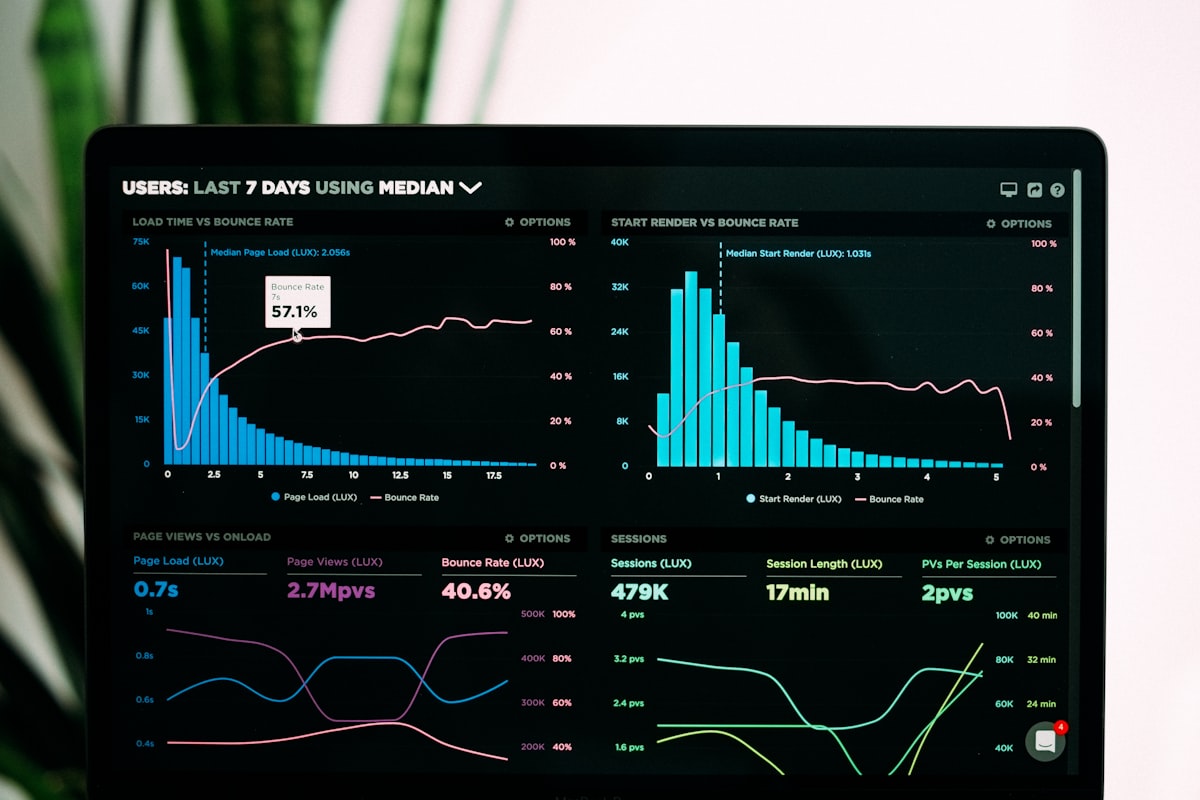
Image Source: Unsplash (Representative image of energy system monitoring)
Highjoule: Your Trusted Partner in Cloud Solar
This is where Highjoule's nearly two decades of expertise come into sharp focus. We don't just supply components; we are a holistic supplier of cloud solar intelligence. Our solutions are designed for the demands of the European and North American markets, focusing on safety, longevity, and seamless integration.
Our flagship offering, the Highjoule Titan ESS, is more than a battery. It's a pre-integrated AC-coupled storage system built with UL9540-certified LFP cells, featuring a modular design that scales from 15 kWh to over 100 kWh. It pairs natively with our Helios Energy OS cloud platform. Think of Helios as the conductor of your personal energy orchestra. It learns your patterns, responds to real-time grid signals for potential revenue, and gives you complete visibility and control via a simple smartphone app. For commercial and microgrid applications, our systems are engineered to provide not just backup power, but active grid services and significant demand charge management.
The Future: What Questions Should You Ask Your Supplier?
The trajectory is clear: solar energy is becoming a software-defined service. As you consider your own transition, the choice of partner is paramount. A true supplier of cloud solar will have deep expertise in both energy hardware and digital infrastructure.
So, we leave you with this open question to ponder and ask potential providers: How will your cloud solar platform not only manage my energy today but also adapt and integrate with the emerging technologies and market mechanisms of the next decade, such as vehicle-to-grid (V2G) or dynamic peer-to-peer energy trading?
The future of energy is distributed, digital, and decarbonized. Is your energy system ready to connect?
 Inquiry
 Online Chat