


Finding the Right Supplier of ELM Solar Storage for Your Energy Independence
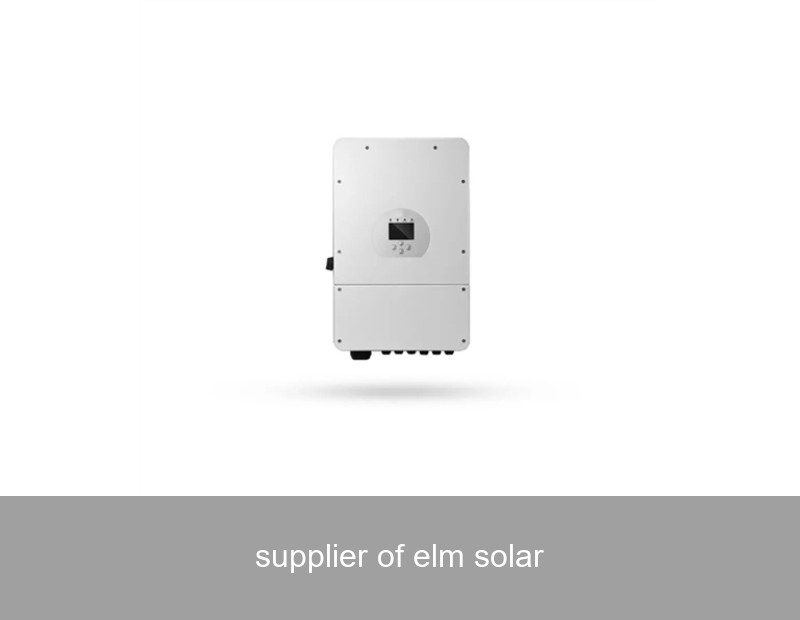
Have you noticed your electricity bills becoming less predictable, or felt concerned about grid reliability during extreme weather? You're not alone. Across Europe and the U.S., homeowners and businesses are seeking control. This has led to a surge in demand for Energy Load Management (ELM) solutions, particularly those integrated with solar. But the key to success lies not just in the panels on your roof, but in the intelligent supplier of ELM solar storage systems you choose to partner with. The right supplier provides more than hardware; they deliver a seamless, intelligent ecosystem that manages, stores, and optimizes every kilowatt-hour you produce.
Table of Contents
- The Phenomenon: Solar's Missing Piece
- The Data: Why ELM is No Longer Optional
- Case Study: A German Bakery's Recipe for Resilience
- The Core Insight: Intelligence Over Raw Capacity
- What to Look for in a Supplier of ELM Solar Systems
- The Highjoule Approach: Integrated Intelligence
- What Does Your Ideal Energy Independence Look Like?
The Phenomenon: Solar's Missing Piece
For years, the story was simple: install solar panels, reduce grid consumption, save money. However, a fundamental mismatch emerged. Solar generation peaks in the middle of the day, while energy demand for many households and businesses peaks in the early morning and evening. Without a way to capture that midday surplus, up to 50% of potentially free, clean energy can be exported to the grid for minimal compensation, only for you to buy expensive power back hours later. This is the "solar curve" dilemma. Adding batteries alone isn't the full answer; it's about sophisticated Energy Load Management (ELM)—the brain that decides when to store, when to consume, and when to send power back, based on your habits, weather forecasts, and utility rates.

Image: A modern home energy system combining solar and storage. Credit: Unsplash
The Data: Why ELM is No Longer Optional
The financial and grid-stability arguments for ELM solar systems are now backed by compelling data. According to the International Energy Agency (IEA), global solar PV capacity is set to dominate electricity growth, but its variability challenges grid infrastructure. Let's look at the numbers:
| Scenario | Solar-Only System | Solar + Basic Battery | Solar + Advanced ELM System |
|---|---|---|---|
| Self-Consumption Rate | 30-50% | 60-80% | 80-95%+ |
| Grid Dependence During Peak | High | Moderate | Very Low |
| ROI Period (Typical) | 5-7 years | 7-10 years | 6-9 years (enhanced by smart tariffs) |
| Grid Services Contribution | None | Limited | Possible (Virtual Power Plant ready) |
The table reveals a key insight: a basic battery increases self-consumption, but an advanced ELM system, managed by sophisticated software, maximizes financial return and grid independence. It can automatically shift loads (like EV charging or water heating) to coincide with solar production or low tariff periods, a feature beyond simple storage.
Case Study: A German Bakery's Recipe for Resilience
Consider the real-world challenge of "Bäckerei Schmidt," a family-run bakery in Bavaria with high, pre-dawn energy demand for ovens and refrigeration. Their existing solar panels were largely ineffective for their 4 AM start time. They partnered with a leading supplier of ELM solar technology, Highjoule, for a turnkey solution.
The system installed included a 50 kWp solar array, a 120 kWh Highjoule CubeStack commercial battery system, and the core: Highjoule's Neuron energy management platform. Neuron's AI learned the bakery's precise load profiles and integrated with Germany's dynamic electricity exchange (EPEX Spot).
- Result 1: The bakery now charges its batteries with cheap overnight grid power and midday solar surplus.
- Result 2: It powers the entire morning baking shift from storage, avoiding peak morning rates.
- Result 3: During periods of high grid prices, the system can strategically sell small amounts of stored power.
Within 18 months, Bäckerei Schmidt reduced its energy costs by 68% and achieved an 85% energy self-sufficiency rate, proving that a smart supplier of ELM solar solutions can transform energy from a cost center into a strategic asset.
The Core Insight: Intelligence Over Raw Capacity
The bakery's story underscores a critical shift in the industry. The primary value is migrating from the battery's physical container (the cell chemistry) to the digital intelligence that governs it. When evaluating a supplier of ELM solar equipment, you must assess their software's capability. Can it integrate with multiple inverter brands? Does it use weather and price forecasting? Can it participate in grid flexibility programs like VPPs? The hardware is the muscle, but the software is the brain. A system without advanced ELM is like a smartphone that only makes calls.
What to Look for in a Supplier of ELM Solar Systems
Choosing a partner is crucial. Here are the non-negotiable attributes:
- Proven System Integration: They should supply a harmonized system (battery, inverter, manager) or have robust protocols to integrate third-party components seamlessly.
- Advanced, User-Friendly Software: The platform should offer clear insights, customizable modes (e.g., "max self-consumption," "cost-saving," "backup priority"), and remote monitoring.
- Grid-Services Ready: Future-proof systems should have the capability to connect to Virtual Power Plants (VPPs), creating potential revenue streams. The U.S. Department of Energy highlights VPPs as key to grid resilience.
- Local Support & Warranty: Especially in Europe and the U.S., ensure they have certified installers and local technical support for the long haul.

Image: Example of an intelligent energy management system interface. Credit: Unsplash
The Highjoule Approach: Integrated Intelligence
This is where Highjoule's philosophy as a global supplier of ELM solar storage systems comes to life. Since 2005, we've believed that true sustainability comes from optimization, not just generation. Our solutions are built from the ground up with intelligence at the core.
For residential clients, our Highjoule Home+ system combines high-density lithium iron phosphate (LFP) batteries with a hybrid inverter and the intuitive Highjoule Harmony app. Harmony doesn't just show data; it learns and makes recommendations, automatically adjusting your home's energy flow to match time-of-use tariffs or storm forecasts.
For commercial and industrial partners, like Bäckerei Schmidt, our CubeStack modular battery systems and Neuron platform deliver grid-scale intelligence. Neuron can manage complex multi-site portfolios, perform peak shaving to avoid demand charges, and seamlessly integrate with onsite generation like solar and wind. We act as a single-point supplier of ELM solar technology and ongoing optimization, ensuring our clients' investments deliver maximum value year after year.
Furthermore, our systems are designed for safety and longevity, using non-flammable LFP chemistry and active thermal management—a critical consideration for both European and U.S. building codes. As noted by research from NREL, safety and reliability are foundational to consumer confidence in storage technologies.
Beyond Backup: The Grid-Positive Home & Business
The ultimate goal with a sophisticated ELM system is to become "grid-positive." This means your property, for most of the year, acts as a net producer of stable, clean power for your community. Your system, aggregated with others in a VPP, can help balance regional supply and demand, enhancing overall grid resilience—a growing priority for utilities in California, Texas, and across the EU.
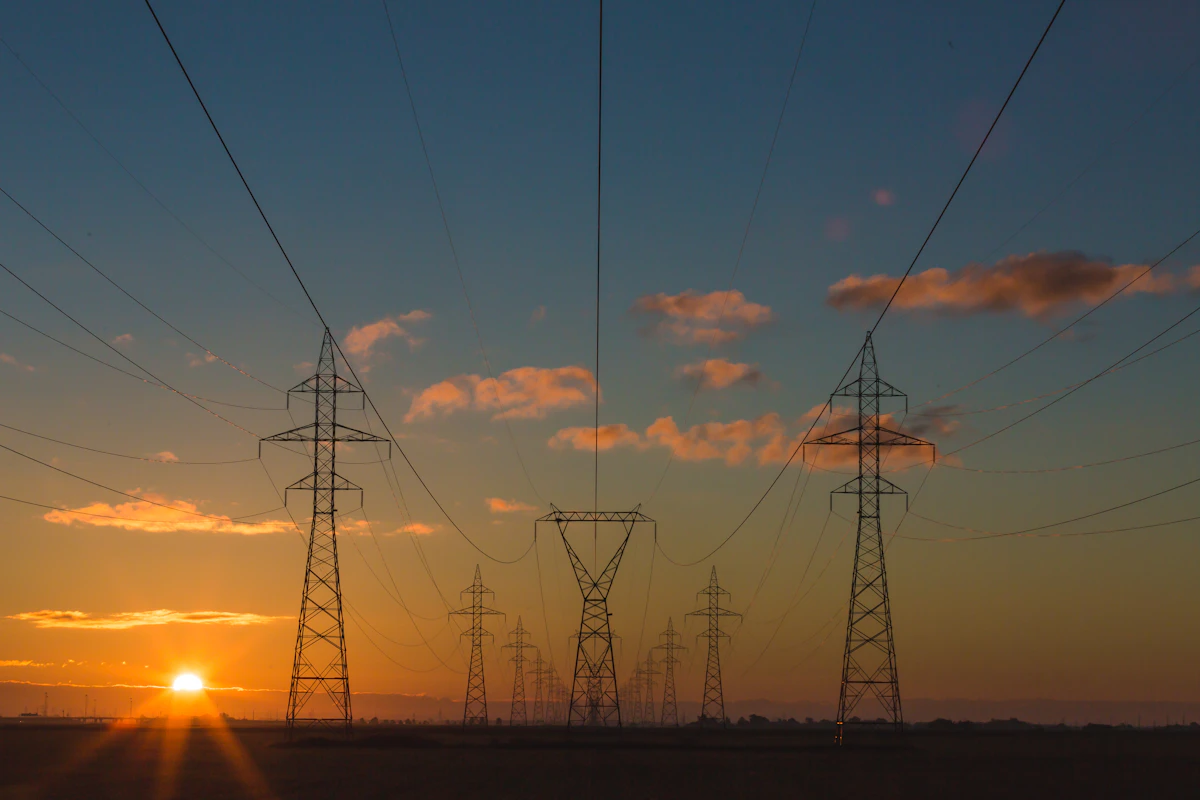
Image: A community with widespread solar adoption. Credit: Unsplash
What Does Your Ideal Energy Independence Look Like?
Is it simply never seeing a blackout, or is it the satisfaction of watching your smart system navigate energy markets, turning your home into a participant in the clean energy transition? The technology is here, and the economics are clearer than ever. The difference between a good outcome and a great one hinges on the expertise and technological depth of your chosen partner.
So, we leave you with this question: As you evaluate your path to energy independence, what specific energy goal—absolute resilience, financial return, or environmental impact—is most important for you to achieve in the next two years, and how can a truly intelligent energy management partner help you get there?
 Inquiry
 Online Chat