


Unlocking Energy Independence: Your Guide to a Reliable Système Autonome Photovoltaïque
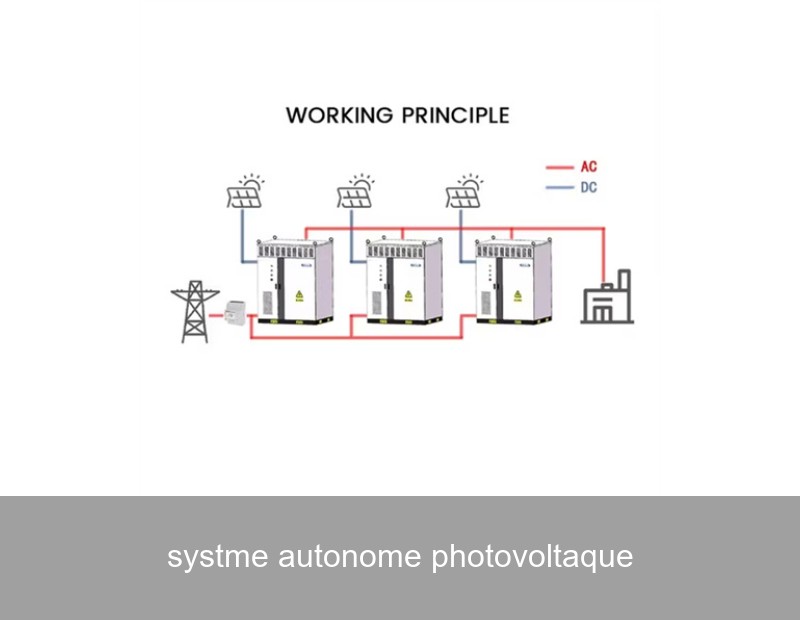
Imagine a home that powers itself, a business that operates independently from grid fluctuations, or a remote facility humming with clean, self-generated electricity. This isn't science fiction; it's the reality enabled by a système autonome photovoltaïque, or a fully autonomous photovoltaic system. For homeowners and businesses across Europe and the U.S., the dream of true energy independence is becoming increasingly tangible and financially sound. But what does it truly take to build a system that not only generates solar power but also reliably meets your energy needs 24/7, rain or shine? Let's demystify the components and intelligence behind a truly self-sufficient energy setup.
Table of Contents
- What is a Système Autonome Photovoltaïque?
- The Key Components: More Than Just Panels
- Case Study: Off-Grid Resilience in the Swedish Highlands
- The Role of Intelligence and System Design
- How Highjoule Powers Energy Independence
- The Future of Autonomous Energy
What is a Système Autonome Photovoltaïque?
Unlike grid-tied solar systems that simply offset your electricity bill, an autonomous photovoltaic system is designed to operate independently from the public utility grid. It's a self-contained energy ecosystem. The core principle is to generate, store, and manage solar power on-site to meet 100% of a property's energy demands. This requires meticulous planning around energy production, consumption patterns, and, most critically, storage for nighttime and low-light periods. While often associated with remote locations, these systems are now a compelling choice for urban areas seeking resilience against outages, volatile energy prices, and a desire for a sustainable footprint.
The Key Components: More Than Just Panels
A robust autonomous system is a symphony of integrated technologies. Each component must be precisely matched and managed.
- Solar Panels (PV Array): The primary energy harvesters. Their size and efficiency determine your daily energy "income."
- Energy Storage System (ESS): The heart of autonomy. High-capacity battery banks store excess solar energy for use when the sun isn't shining. Not all batteries are created equal for this demanding, daily cycling application.
- Solar Inverter/Charger: The brain and the workhorse. This critical device converts DC power from panels and batteries to AC for your appliances, while also intelligently managing the charging and discharging of the battery bank.
- Backup Generator (Optional but Recommended): For extended periods of poor weather, a generator can serve as a backup to recharge the batteries, ensuring uninterrupted power.
- Energy Management System (EMS): The system's nervous system. Advanced EMS software forecasts weather, learns consumption habits, and optimizes every kilowatt-hour for maximum efficiency and battery longevity.

Image: A modern residential solar and storage setup, key to an autonomous system. Source: Unsplash
The Data Driving the Shift to Autonomy
The move towards self-sufficient energy isn't just ideological; it's backed by compelling economics and market trends. According to the International Energy Agency (IEA), global renewable capacity is set to grow by 2,400 GW between 2023-2028, with solar PV accounting for over half. Crucially, behind-the-meter storage (like home and business systems) is a major growth driver. In the U.S., residential solar-plus-storage installations continue to break records, driven by incentives like the Investment Tax Credit (ITC) and rising utility rates. In Europe, the energy crisis has accelerated the payback period for off-grid and backup power solutions, making them a strategic investment for energy security.
Case Study: Off-Grid Resilience in the Swedish Highlands
Let's look at a real-world example. A year-round mountain lodge in Jämtland, Sweden, faced exorbitant costs and environmental impact from running diesel generators. Their goal was 95% energy autonomy. The installed system included a 42 kW solar array, a 120 kWh lithium-iron-phosphate (LFP) battery bank, and a sophisticated inverter system with a backup propane generator.
| Metric | Outcome |
|---|---|
| Diesel Fuel Savings | ~8,500 liters/year |
| CO2 Emissions Avoided | Approx. 22 metric tons/year |
| Energy Autonomy Achieved | Over 91% annually (meeting winter low-sun challenges) |
| System Payback Period | Estimated 6-7 years, considering fuel and maintenance savings. |
This case highlights that a well-designed système autonome photovoltaïque is not only technically feasible in challenging climates but also delivers significant financial and environmental returns. The key was oversizing the storage to handle consecutive cloudy days and using chemistry (LFP) known for safety, longevity, and performance in cold temperatures.
The Role of Intelligence and System Design
Autonomy is not just about hardware volume; it's about smart control. An advanced Energy Management System (EMS) uses weather forecasting to anticipate low-production days. It might proactively conserve energy by slightly adjusting thermostat settings or scheduling high-load appliances (like washing machines) for times of peak production. This predictive management can reduce the required size—and cost—of the battery bank by 15-20% while enhancing reliability. It’s the difference between a system that just stores power and one that intelligently orchestrates your entire energy ecosystem.
How Highjoule Powers Energy Independence
At Highjoule, with nearly two decades of experience since 2005, we understand that a successful autonomous system is defined by its resilience and intelligence. Our integrated solutions are engineered for this exact purpose. The Highjoule Hive ESS features our proprietary LFP battery modules, designed for over 6,000 cycles at 80% depth of discharge, ensuring a lifespan that matches your long-term independence goals. Paired with our Harmony X Series Hybrid Inverter, which seamlessly integrates solar, battery, grid, and generator inputs, the system creates a unified and robust power flow.
But the true differentiator is the Highjoule Neuron EMS platform. This AI-driven software provides real-time monitoring, adaptive learning of your consumption patterns, and predictive energy scheduling. For our commercial and microgrid clients, this means being able to simulate different load and weather scenarios during the design phase, ensuring the system is perfectly sized for both performance and budget. We don't just sell components; we deliver a guaranteed outcome: reliable, clean, and independent power.

Image: Advanced energy management control room, similar to system monitoring platforms. Source: Unsplash
The Future of Autonomous Energy
The trajectory is clear. As battery costs continue to decline and AI-driven management becomes more sophisticated, fully and partially autonomous systems will move from niche to mainstream. They represent the ultimate convergence of personal energy security, economic savings, and environmental stewardship. The question is no longer "Is it possible?" but rather "What level of independence is right for my goals, and how do I build a system that will stand the test of time?"
Is your home or business ready to transform from an energy consumer into a self-reliant energy producer? What would complete energy security enable you to do or protect?
 Inquiry
 Online Chat