


Unlocking Water Independence: A Deep Dive into the Solar-Powered Irrigation System
Imagine a farm, vineyard, or remote agricultural project where the water flows as reliably as the sun rises, yet the energy bill is virtually zero. This isn't a futuristic dream; it's the reality delivered by a modern système d'irrigation solaire (solar-powered irrigation system). For farmers and land managers across Europe and the U.S., integrating solar power with water pumping is revolutionizing irrigation, turning sunlight directly into crop yield and water security. This article explores how this technology works, its tangible benefits, and why choosing the right energy storage partner, like Highjoule, is the key to a truly resilient and efficient operation.
Table of Contents
The Challenge: Water Scarcity and Rising Energy Costs
If you're in agriculture, you feel it every season. The pressure is twofold: ensuring a reliable water supply for crops while managing the spiraling cost of the energy needed to pump it. Grid electricity prices are volatile, and diesel generators are expensive, noisy, and polluting. In remote areas, the grid might not even be an option. Furthermore, regions like the American West, Southern Europe, and the Mediterranean are facing increasing water stress, making efficient water use a matter of business survival. This is where solar irrigation presents a compelling solution, turning a primary challenge—abundant sun—into the ultimate asset for water management.
How a Solar-Powered Irrigation System Works
At its core, a système d'irrigation solaire is elegantly simple. Photovoltaic (PV) panels convert sunlight into direct current (DC) electricity. This electricity powers a water pump, which draws water from a well, borehole, river, or storage pond. The water is then delivered directly to the crops via drip lines, sprinklers, or other methods. The system can be designed to pump water during the sunniest parts of the day into a storage tank for later use, or it can be coupled with a battery storage system to enable pumping on demand, day or night.

Image Source: A conceptual diagram of a solar-powered irrigation setup. (Representative image from agricultural resource)
Key Components of a Robust System
Building a reliable system requires more than just panels and a pump. Here’s what you need:
- Solar PV Array: The size is determined by the pump's power requirements and daily water needs.
- Water Pump: Can be DC (directly connected to panels) or AC (requiring an inverter). Submersible or surface pumps are chosen based on the water source.
- Pump Controller/Inverter: The brain of the operation. It maximizes power extraction from the panels (MPPT) and protects the pump from issues like dry running or voltage fluctuations.
- Energy Storage System (Battery): This is the optional but transformative component. It stores excess solar energy for use when the sun isn’t shining, providing true irrigation autonomy.
- Irrigation System: The distribution network—drip, sprinkler, or pivot—that delivers water efficiently to the root zone.
The Game-Changer: Adding Intelligent Battery Storage
While a direct solar-to-pump system is effective, it limits irrigation to daylight hours. This is where advanced battery energy storage systems (BESS) unlock the full potential. A high-quality BESS, like those developed by Highjoule, allows you to:
- Irrigate at night or during cloudy periods, aligning with optimal plant water uptake and reducing evaporation losses.
- Provide a stable voltage to the pump, extending its lifespan.
- Create a hybrid system that can integrate grid or generator power for 100% backup reliability.
A Real-World Case Study: Vineyard in Southern France
Let's look at a concrete example. A 50-hectare vineyard in the Languedoc region faced unreliable grid power and high tariffs during peak irrigation months. They needed to ensure precise irrigation for their premium grapes, especially during critical growth stages.
The Solution: A turnkey système d'irrigation solaire was installed, featuring a 120 kWp solar array paired with a Highjoule HES-100 commercial battery storage system. The system was designed to power a 40 kW irrigation pump and associated controls.
The Results (Data After 2 Years):
| Metric | Before Installation | After Installation |
|---|---|---|
| Energy Cost for Irrigation | €28,000/year | €3,200/year (maintenance only) |
| Carbon Footprint | ~22 tons CO₂e/year | ~0 tons CO₂e/year from operation |
| Irrigation Reliability | Subject to grid outages | 24/7 capability, with precise schedule control |
| Water Use Efficiency | Conventional scheduling | Optimized night-time irrigation, reducing evaporation by ~15% |
The vineyard achieved a return on investment in under 7 years, secured their water supply against energy price shocks, and enhanced their sustainability branding—a crucial market differentiator in the wine industry. This case underscores that the right technology partnership is vital for such outcomes.
Beyond the Panels: The Critical Role of Smart Energy Storage
As the case study shows, the battery is not just an add-on; it's the intelligence hub. Highjoule, as a global leader in advanced energy storage since 2005, understands this deeply. Our systems are engineered for demanding applications like agricultural irrigation.
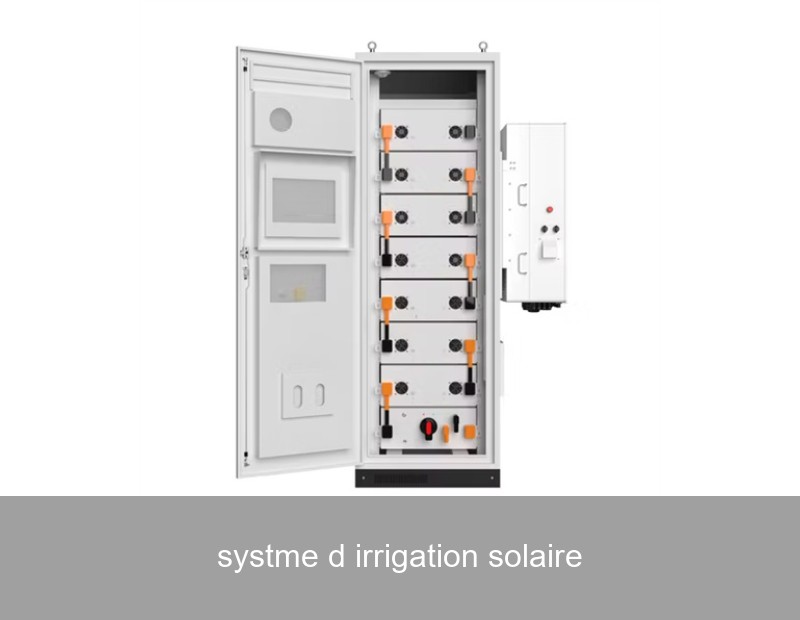
For a robust système d'irrigation solaire, Highjoule’s HES Series Commercial Battery Systems offer distinct advantages:
- Grid-Independent Resilience: Our lithium iron phosphate (LiFePO4) batteries provide safe, long-lasting storage, ensuring your pumps run exactly when needed, regardless of grid conditions.
- Smart Energy Management: The integrated energy management system (EMS) automatically optimizes charging from solar, grid, or generator, prioritizing the cheapest and cleanest power source. You can program irrigation schedules via a user-friendly app.
- Scalability for Growth: From a small family farm to a large industrial agricultural operation, our modular systems can be scaled to match your evolving water and energy needs.
- Durability: Built for harsh environments, with robust enclosures and thermal management systems that perform reliably in both extreme heat and cold.
By integrating a Highjoule storage solution, you're not just buying a battery; you're investing in a complete water-energy management platform that maximizes the value of every drop of water and every ray of sunshine.

Image Source: Highjoule.com - A Highjoule commercial battery system supporting agricultural operations.
Making the Switch: Is Solar Irrigation Right for You?
Transitioning to a solar-powered system is a significant decision. Key factors to consider include your local solar irradiance (plentiful in Southern Europe and the U.S. Sunbelt), water source depth and volume, existing irrigation infrastructure, and of course, capital budget. Government incentives, like the U.S. Department of Agriculture's REAP grants or various EU agricultural sustainability funds, can substantially improve project economics.
The most successful projects start with a thorough audit conducted by experts who understand both agronomy and energy engineering. They assess your water needs, plot your solar potential, and design a system—often incorporating smart storage like Highjoule's—that delivers predictable performance and a clear financial return.
Your Next Step Towards Water and Energy Independence
The convergence of solar technology, intelligent storage, and efficient irrigation presents an unprecedented opportunity for the agricultural sector. It's a move that makes economic sense, environmental sense, and operational sense. What specific challenge—be it erratic energy costs, remote location, or a commitment to sustainable practices—is motivating you to explore a système d'irrigation solaire for your land?
 Inquiry
 Online Chat