


Tejas Solares Fotovoltaicas: The Invisible Power Plant on Your Roof
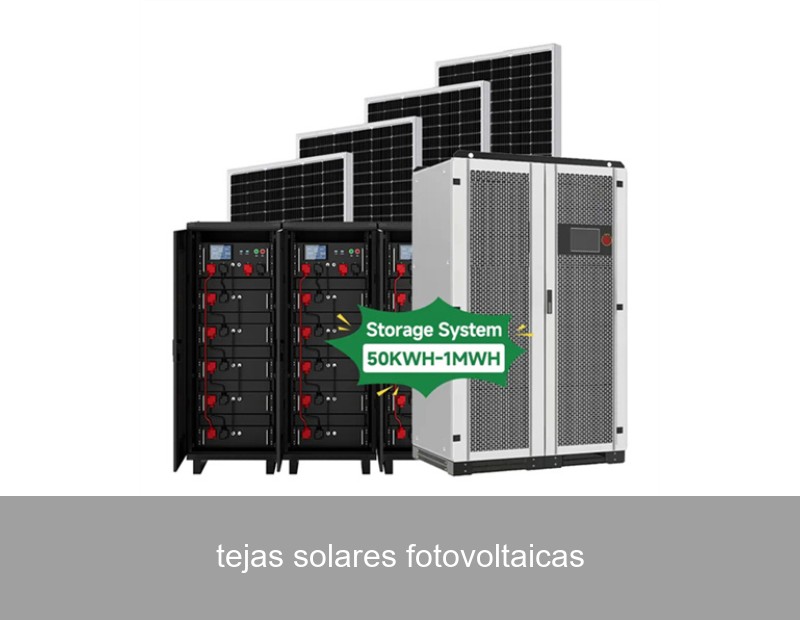
Imagine a roof that protects your home from the elements while silently generating clean electricity from the sun. This isn't a scene from a sci-fi movie; it's the reality offered by tejas solares fotovoltaicas, or solar roof tiles. For homeowners and businesses across Europe and the US, the dream of sustainable energy is evolving from bulky, mounted panels to a truly integrated architectural solution. The phenomenon is clear: the demand for aesthetically pleasing, high-performing renewable energy is skyrocketing. But what's the real story behind these sleek tiles? Let's move past the surface appeal and delve into the data, a real case study, and the critical role of intelligent energy management that makes such systems truly powerful.
What Are Solar Roof Tiles? Beyond the Hype
Unlike traditional solar panels that are mounted on top of an existing roof, solar roof tiles are the roof. Each individual tile incorporates photovoltaic cells, designed to interlock seamlessly with non-solar tiles (or each other) to create a uniform, low-profile appearance. They are a prime example of Building-Integrated Photovoltaics (BIPV). The primary appeal is undeniable: they eliminate the "added-on" look, preserving or even enhancing a home's architectural integrity. This is particularly valuable in historic districts or for homeowners with strict aesthetic preferences. But the question isn't just about looks—it's about performance and integration into your overall energy ecosystem.

Image Source: Unsplash. A modern solar roof installation showcasing a seamless aesthetic.
The Power Behind the Beauty: Efficiency & Data
Early solar tiles often sacrificed efficiency for design. Today's generation has closed the gap significantly. While high-efficiency traditional panels can reach 22-23% efficiency, premium tejas solares now operate in the 18-21% range—a difference that matters less than you might think when you consider the potential for greater coverage. Because they can be installed across more of the roof surface without aesthetic concerns, the total system output can be very competitive.
Let's look at some key data points:
| Metric | Traditional Solar Panels | Modern Solar Roof Tiles |
|---|---|---|
| Typical Efficiency | 19% - 23% | 18% - 21% |
| Aesthetic Integration | Mounted on racks, visible | Fully integrated, low-profile |
| Installation Complexity | Moderate (on existing roof) | High (part of roof structure) |
| Ideal Use Case | Maximizing production per square foot, retrofit projects | New builds, re-roofing, high aesthetic priority areas |
According to the National Renewable Energy Laboratory (NREL), BIPV systems like solar tiles are a critical pathway to decarbonizing the building sector, with vast potential for urban energy generation. The true potential, however, is unlocked not just by generation, but by what you do with that energy.
A Real-World Case: The Martinez Residence, California
Let's ground this in reality. The Martinez family in Sacramento, California, decided to build their dream home with sustainability as a core principle. They chose a premium solar tile system covering 80% of their south and west-facing roof areas—a total of 450 tiles. The system's peak capacity is 12.5 kW.
- Annual Production: Approximately 16,800 kWh (monitored data from their first year).
- Household Consumption: ~14,500 kWh/year.
- Initial Challenge: Overproduction during midday, reliance on the grid at night and during peak hours (5-9 PM).
The installation of the solar roof was just step one. To truly achieve energy independence and maximize financial return, they integrated a Highjoule Home Energy Storage System (HESS-10). This 10 kWh lithium-ion battery system stores excess solar energy instead of sending it all back to the grid.
The Result? Their grid dependence dropped by over 90%. The battery provides power during the expensive peak evening hours, and the system automatically provides backup during the area's frequent public safety power shutoffs. The family now enjoys an average electricity bill of under $15 per month (mostly grid connection fees), compared to the estimated $220+ they would pay without the solar and storage combo. This case illustrates the pivotal shift from being just a producer to being a smart manager of your own energy.
Beyond Aesthetics: Integration with Modern Energy Systems
A teja solar fotovoltaica is a fantastic generator, but it's only one component of a modern home energy system. The sun doesn't shine at night, and clouds happen. This is where the conversation becomes more sophisticated and where companies like Highjoule excel. The real magic happens when generation meets intelligent storage and management.
Think of it this way: your solar roof is a prolific spring, constantly flowing during the day. Without a reservoir (a battery), most of that water flows away unused. An intelligent battery storage system captures that surplus. But a truly smart system, like Highjoule's Intelligent Energy Operating System (iEOS), goes further—it's the engineer that manages the entire waterworks: deciding when to fill the reservoir, when to use it for the house, and even when to safely release a little back to the community grid if it's beneficial for you.

Image Source: Unsplash. A modern home battery storage unit being installed.
The Highjoule Advantage: Smart Energy, Seamlessly Integrated
Since 2005, Highjoule has been at the forefront of not just storing energy, but making it intelligent. For a homeowner investing in a sophisticated solution like a solar roof, pairing it with a basic or "dumb" battery is a missed opportunity. Our systems are designed to be the perfect partner for premium solar generation.
Our HESS Series for residential applications is more than just a battery box. It features:
- Advanced Lithium Iron Phosphate (LFP) Chemistry: Renowned for safety, longevity (over 6000 cycles), and stable performance.
- iEOS Software Platform: This brain learns your consumption patterns, weather forecasts, and utility rate schedules. It autonomously optimizes energy flow to maximize self-consumption and savings.
- Seamless Integrator: Our systems are designed to communicate flawlessly with a wide range of solar inverters and tejas solares systems, creating a unified, responsive energy network for your home.
- Scalability: From compact systems for smaller homes to robust solutions for large estates, our modular design allows for customization as your needs evolve.
For commercial and industrial clients, Highjoule's GridMAX series provides large-scale storage solutions that can integrate with solar canopies and BIPV facades, enabling demand charge reduction, peak shaving, and enhanced resilience. According to the International Energy Agency (IEA), energy storage is the key enabler for secure, flexible, and decarbonized power systems worldwide.
Is a Solar Roof Right for You? Key Considerations
So, are tejas solares fotovoltaicas the future for everyone? They are a compelling option, but the decision requires careful thought. Ask yourself these questions:
- Is this a new build or a major re-roofing project? The economics are most favorable when replacing the roof anyway.
- How important is architectural aesthetics to me? If it's a top priority, solar tiles are a game-changer.
- Am I planning for a comprehensive energy system? The highest value comes from pairing generation with smart storage and management.
- What are my local incentives and net metering policies? These vary greatly by region in both the US and Europe. A resource like the U.S. Department of Energy's guide is a good starting point.
The journey to energy independence is no longer just about choosing the right solar product. It's about designing a resilient, efficient, and intelligent energy ecosystem for your property.
Your Home is Your Power Plant. How Will You Manage Its Grid?
We've explored the elegant technology of solar roofs and the data that proves their potential. We've seen how a California family turned their beautiful roof into an economic and resilient power asset. The next step in this evolution is moving from passive generation to active, intelligent management. What role do you see smart energy storage playing in your vision for a sustainable home or business?
 Inquiry
 Online Chat