


Powering the Future: Why Reliable Energy Storage is Critical for Modern Telecommunication Equipments
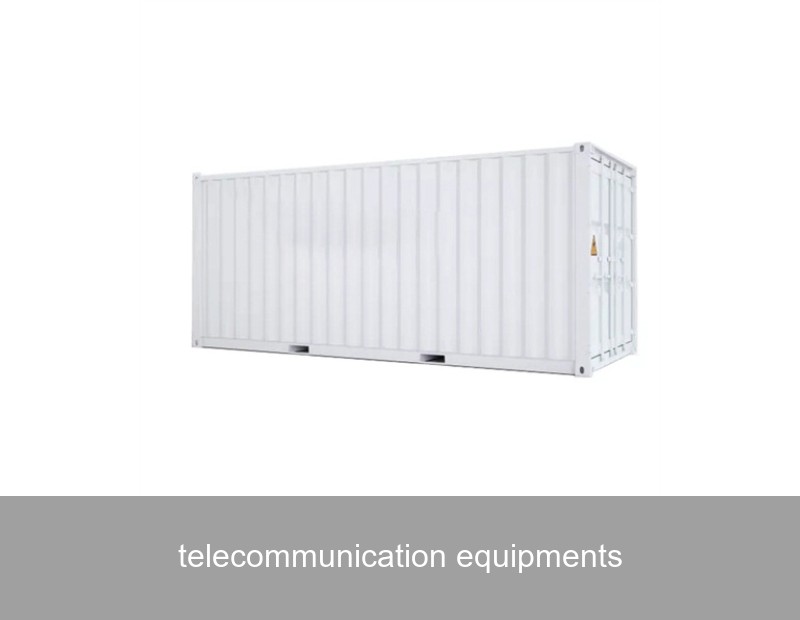
Imagine a world where a sudden power fluctuation doesn't just drop your video call, but disrupts an entire cellular network, halting emergency services and isolating communities. For the telecommunication industry, this isn't a hypothetical—it's a daily operational risk. As our reliance on digital connectivity grows exponentially, so does the energy demand and sensitivity of the telecommunication equipments that form the backbone of our society. From 5G towers to vast data centers, these systems require more than just power; they demand unwavering, clean, and intelligent energy resilience. This article explores the silent revolution happening behind the scenes: how advanced battery energy storage systems (BESS) are becoming the unsung heroes ensuring our networks stay online, efficient, and sustainable.
Table of Contents
The Phenomenon: The Energy-Hungry Network
The rollout of 5G and the expansion of edge computing are transforming telecommunication infrastructure. While these technologies promise blazing speeds and low latency, they come with a significant energy cost. A single 5G base station can consume up to three times more power than its 4G predecessor, according to industry analyses. Furthermore, the critical nature of telecommunication equipments—switches, routers, servers, and cooling systems—means that even a millisecond of power interruption can cause cascading failures, data loss, and costly downtime. The traditional approach of diesel generators is no longer viable; it's noisy, polluting, slow to respond, and contradicts global sustainability goals. The industry faces a clear challenge: how to guarantee 99.999% (five-nines) uptime while managing soaring energy costs and reducing carbon footprint.

Image: Modern telecom sites are prime candidates for hybrid power solutions.
The Data: Quantifying the Power Demand
Let's look at the numbers. A report by the GSMA highlights that the mobile industry's energy consumption is a substantial operational expense, with power costs potentially accounting for up to 40% of a tower's OPEX in some regions. In the United States, data centers and telecommunication networks consumed approximately 90 billion kilowatt-hours of electricity in 2020, a figure projected to grow steadily. This isn't just about cost; it's about grid stability. During peak demand or extreme weather events, grid power can become unreliable or expensive. Telecommunication companies are therefore actively seeking solutions that provide:
- Uninterruptible Power Supply (UPS): Seamless transition during grid outages.
- Peak Shaving: Reducing draw from the grid during high-tariff periods.
- Energy Arbitrage: Storing energy when it's cheap (e.g., from on-site solar) and using it when it's expensive.
- Frequency Regulation: Helping stabilize the local grid, a service that can generate revenue.
The Case Study: A European Telco's Grid-Independence Journey
Consider the real-world example of a major European telecommunications operator in Southern Europe. Facing frequent grid instability in remote, mountainous areas and rising energy costs, they piloted a project to decarbonize and secure power for 150 of their remote cell sites. The goal was to reduce diesel generator use by over 90% and cut energy costs.
The Solution Deployed: Each site was equipped with a hybrid power system consisting of:
- An expanded solar PV array.
- A high-cycle life, lithium-ion battery storage system specifically designed for daily charge/discharge cycles.
- An intelligent energy management system (EMS) to autonomously optimize power flow.
| Metric | Before Project | After Project (12-month avg.) |
|---|---|---|
| Diesel Consumption | 100% baseline for backup | Reduced by 94% |
| Energy Cost per Site | €X,XXX/month | Reduced by ~35% |
| Carbon Emissions | High | Reduced by ~40 tonnes CO2e/year (across all 150 sites) |
| Grid Dependency | Primary source, unstable | Minimized; grid used only as tertiary backup |
The intelligent EMS prioritized solar power, used the battery for nightly operation and peak shaving, and only kicked in the generator as an absolute last resort. The result was a dramatic reduction in fuel logistics, maintenance, emissions, and cost, while telecommunication equipments enjoyed a cleaner, more stable power source. This case underscores the tangible ROI of modern BESS.
The Solution: Beyond Backup Generators
The transition is from passive backup to active energy management. Modern battery energy storage systems for telecom are engineered for more than just emergencies. They are intelligent assets that:
- Provide Millisecond-Response UPS: Lithium-ion batteries react instantaneously, far faster than generators, ensuring zero interruption to sensitive equipment.
- Integrate Seamlessly with Renewables: They smooth out the intermittent nature of solar or wind, making green energy a reliable primary source for remote sites.
- Enable Smart Grid Interaction: With advanced software, these systems can participate in demand response programs, selling stored energy back to the grid during shortages.
- Offer Modular Scalability: Systems can be sized precisely for a small cell site or scaled up for a massive data center, future-proofing investments.
Highjoule's Tailored Solutions for Telecommunications
At Highjoule, with nearly two decades of expertise since 2005, we understand the unique power continuity challenges of the telecom sector. Our HiveMind™ BESS Platform is specifically designed for commercial and industrial applications like telecommunications infrastructure. It's not just a battery; it's an integrated ecosystem.
For a typical cell tower or edge data center, our solution combines:
- Highjoule HiveCell™ Battery Modules: UL9540A certified, with superior cycle life and energy density, built for daily cycling without degradation.
- HiveMind™ Energy Management System: The brain of the operation. This AI-driven platform constantly analyzes energy prices, weather forecasts (for solar/wind sites), and load patterns to autonomously optimize power usage, maximize self-consumption of renewables, and minimize costs.
- Seamless Integration: Our systems are designed for easy integration with existing site infrastructure—whether it's a new solar installation, legacy generators, or the main grid—providing a unified, smart energy command center.

Image: Advanced, modular BESS units enable flexible deployment for telecom.
By deploying a Highjoule system, telecom operators don't just buy a backup battery; they invest in an active financial tool that reduces TCO (Total Cost of Ownership), enhances sustainability reporting, and provides unparalleled reliability for their mission-critical telecommunication equipments.
The Future: Sustainable, Smart, and Secure Networks
The convergence of telecommunications and energy is creating "smart sites." The next evolution involves leveraging these distributed energy assets as a virtual power plant (VPP). Imagine thousands of cell towers, each with solar and storage, collectively acting as a stabilized, dispatchable resource for the national grid. This not only creates a new revenue stream for telcos but also enhances national energy security and accelerates the renewable transition. The reliability of our calls, data, and internet services will be fundamentally tied to the intelligence and resilience of the power systems that support them.
An Open Question for Industry Leaders
As you plan your network's expansion for the next decade, is your energy strategy still relying on 20th-century backup methods, or is it evolving to become a core, value-generating component of your intelligent infrastructure? What would achieving 100% renewable power for your remote sites, coupled with significant OPEX savings, do for your competitive edge and corporate sustainability goals?
 Inquiry
 Online Chat