


The Evolution of Telecommunication Power Systems: Ensuring Unbreakable Connectivity
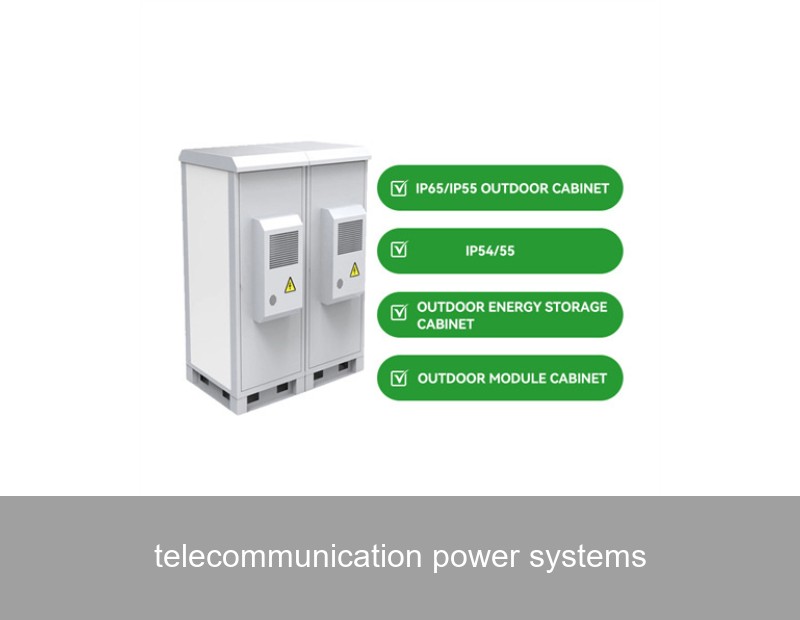
Imagine a major storm knocks out the grid. For most, it's an inconvenience. For a telecommunication tower, it's a critical failure that can silence entire communities, halting emergency services, business operations, and daily life. This scenario underscores the monumental importance of telecommunication power systems—the silent, robust guardians of our connected world. As our reliance on data explodes and networks evolve towards 5G and beyond, the power backbone of these systems is undergoing a radical transformation. This article explores how modern, intelligent energy solutions are making networks more resilient, efficient, and sustainable than ever before.
Table of Contents
- The Phenomenon: Why Power is the Network's Lifeline
- The Data: The Staggering Energy Demand of Modern Telecoms
- Case Study: A European Telco's Grid-Independence Journey
- The Solution Evolution: From Generators to Intelligent Hybrid Systems
- Highjoule's Role: Engineering Resilient Power for Critical Networks
- The Future Horizon: Sustainability and Intelligence
The Phenomenon: Why Power is the Network's Lifeline
At its core, a telecommunication power system is far more than a simple battery backup. It is an integrated energy ecosystem designed for one non-negotiable goal: "five-nines" (99.999%) availability. Every cellular site, data hub, and fiber optic node requires a continuous, clean, and stable power supply. The traditional model relied heavily on the utility grid, backed by diesel generators and lead-acid batteries. However, this approach faces mounting challenges: grid instability, volatile fuel costs, stringent carbon emission regulations, and the sheer physical challenge of maintaining remote sites.
The push for network densification—adding more small cells in urban areas—and the expansion into remote locations for universal coverage makes decentralized, intelligent power management not just an advantage, but a necessity.
The Data: The Staggering Energy Demand of Modern Telecoms
The numbers paint a clear picture of the scale and urgency. A typical 5G base station is estimated to consume up to three times more power than its 4G predecessor, primarily due to more antennas and higher data processing loads. According to a report by the International Energy Agency (IEA), the information and communication technology (ICT) sector, driven by data centers and networks, could account for up to 4% of global electricity consumption by 2030. Furthermore, network outages cost the global economy billions annually, with power failure being a leading cause.
This data reveals a dual challenge: telecom operators must simultaneously increase power capacity for new technology while slashing operational costs and carbon footprint. The solution lies in re-engineering the power system itself.

Image Source: Unsplash - Illustrating the integration of solar power at a telecom site.
Case Study: A European Telco's Grid-Independence Journey
Let's look at a real-world application. A major mobile network operator in Southern Europe faced recurring grid instability in its mountainous regions, leading to frequent service drops and high diesel costs for generator runtime. Their goal was to achieve 72 hours of full, grid-independent operation for 150 remote sites.
The Project: They deployed integrated solar hybrid power systems. Each site was equipped with high-efficiency solar panels, a smart power conversion system, and a lithium-ion battery energy storage system (BESS) to replace the old lead-acid batteries and reduce generator dependence.
The Results (after 18 months):
| Metric | Outcome |
|---|---|
| Diesel Fuel Consumption | Reduced by 89% |
| Site Availability | Increased to 99.995% |
| Operational Expenditure (OPEX) | Lowered by 74% annually per site |
| CO2 Emissions | Avoided ~45 tons per site per year |
This case demonstrates that modernizing telecommunication power systems with renewables and storage is a direct driver for operational resilience, cost savings, and sustainability targets.
The Solution Evolution: From Generators to Intelligent Hybrid Systems
The future is hybrid and intelligent. The next-generation power system for telecoms is characterized by:
- Lithium-Ion BESS: Offering longer lifespan, faster charging, higher depth of discharge, and a smaller footprint than traditional batteries.
- Renewable Integration: Solar and, where viable, wind power act as primary energy sources, minimizing fuel use.
- Advanced Power Conversion: High-efficiency rectifiers and inverters that manage multiple input sources seamlessly.
- Intelligent Energy Management Systems (EMS): The true "brain." This software platform uses AI and weather forecasting to predict energy generation and load, optimizing when to draw from the grid, charge from solar, discharge the battery, or start the generator. This maximizes asset life and minimizes cost.
Highjoule's Role: Engineering Resilient Power for Critical Networks
At Highjoule, with nearly two decades of expertise in advanced energy storage, we understand the critical nature of telecom infrastructure. Our solutions are engineered specifically for the demands of telecommunication power systems.
Our IntelliGrid ESS product line is a modular, containerized lithium-ion battery storage system designed for outdoor, harsh environments. It features integrated thermal management and is pre-configured for seamless integration with solar PV, existing generators, and the grid. For telecom operators, this means:
- Ultra-High Reliability: Built with cell-level monitoring and redundant architecture to ensure the power is always on.
- Remote Management: Our Highjoule Nexus™ EMS platform allows for centralized, real-time monitoring and control of thousands of sites from a single dashboard, drastically reducing maintenance visits and enabling predictive diagnostics.
- Scalability: From a single small-cell cabinet to a large macro-site or central office, our systems scale to meet precise power and runtime requirements.
- Total Cost of Ownership (TCO) Reduction: By slashing fuel costs, minimizing generator wear-and-tear, and extending asset life, we deliver a compelling financial return alongside technical performance.

Image Source: Unsplash - Representing centralized energy management for distributed sites.
The Future Horizon: Sustainability and Intelligence
The trajectory is clear. Telecom power systems are evolving from passive, cost-center backups into active, intelligent grid assets. Forward-thinking operators are exploring how their distributed battery storage networks can provide grid services, such as frequency regulation or peak shaving, creating new revenue streams. Sustainability commitments, like the RE100 initiative, are pushing the entire sector towards 100% renewable energy, making on-site generation and storage indispensable.
The question is no longer if to upgrade, but how and with whom. The partnership must deliver not just hardware, but deep expertise in system integration, long-term performance guarantees, and a software platform that turns energy data into actionable intelligence.
An Open Question for Network Operators
As you plan your network expansion and modernization, have you calculated the true cost—financial, operational, and environmental—of your current power infrastructure over the next decade? What would achieving complete energy resilience for your most critical sites unlock for your business and your customers?
 Inquiry
 Online Chat