


Thin Film Flexible Solar Panels: The Future of Energy is Lightweight and Adaptable
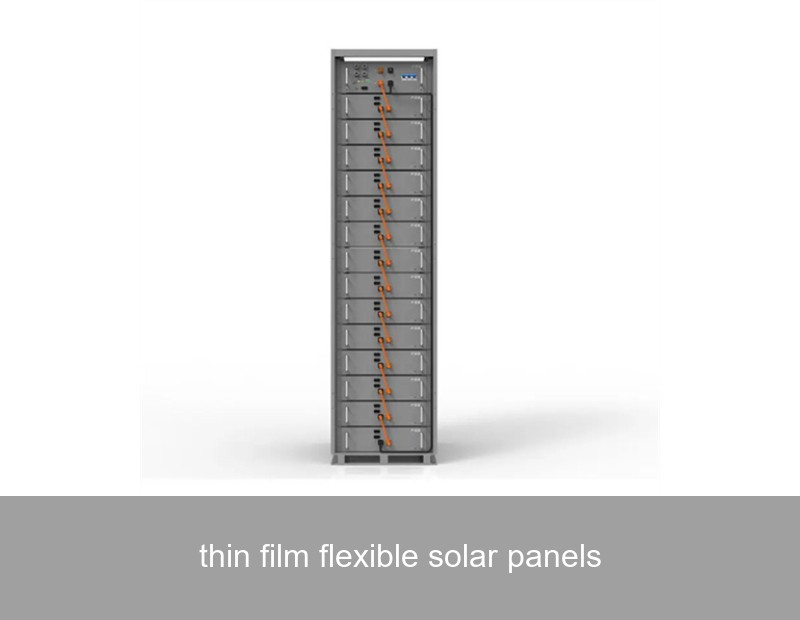
Imagine a solar panel you can roll up like a yoga mat, install on a curved roof, or seamlessly integrate into the facade of a historic building. This isn't science fiction; it's the reality offered by thin film flexible solar panels. For businesses, homeowners, and innovators across Europe and the U.S., this technology is breaking down the traditional barriers to solar adoption. Unlike rigid silicon panels, thin-film panels are lightweight, versatile, and opening up new frontiers for renewable energy generation. As a leader in advanced energy storage, Highjoule recognizes that the future of power isn't just about storing energy efficiently, but also about generating it from previously impossible places. Let's explore how this flexible technology is reshaping our energy landscape.
Table of Contents
- What Are Thin Film Flexible Solar Panels?
- Key Benefits and Honest Challenges
- A Real-World Case Study: The Norwegian Camping Van Fleet
- Why Integration with Storage is Key
- Highjoule's Role in Your Flexible Energy Ecosystem
- Future Applications: Where Do We Go From Here?
What Are Thin Film Flexible Solar Panels?
To understand the excitement, we need to look under the hood. Traditional solar panels are made from crystalline silicon wafers—they're thick, rigid, and require heavy mounting systems. Thin-film technology takes a different approach. It involves depositing photovoltaic materials, like Cadmium Telluride (CdTe), Copper Indium Gallium Selenide (CIGS), or Amorphous Silicon (a-Si), in layers microns thin onto flexible substrates such as plastic, metal, or glass.
This process creates a solar module that is not only bendable but also significantly lighter—often weighing 70% less than a conventional panel. Think of it as the difference between a glass tablet and a plastic e-ink reader. The manufacturing itself can be less energy-intensive, and the applications become almost limitless.

Image Source: Unsplash - Visual of flexible solar material.
Key Benefits and Honest Challenges
Let's weigh the pros and cons with clear eyes. The advantages of thin film flexible panels are compelling:
- Unmatched Versatility: Install them on curved surfaces (RV roofs, boat hulls), low-load-bearing structures (warehouse roofs, carports), or even temporary setups.
- Lightweight & Low-Profile: Perfect for applications where weight is critical, like on vehicles or older buildings.
- Better Performance in Low Light & Heat: Some thin-film materials perform better than silicon in diffuse light (common in cloudy climates) and handle high temperatures with less efficiency loss.
- Durability: Without rigid glass, they can be more resistant to impact and micro-cracking.
However, it's crucial to address the trade-offs. Historically, thin-film panels had lower efficiency rates than top-tier monocrystalline panels. While the gap is closing—with lab efficiencies for CIGS now exceeding 23% (NREL, 2023)—commercial modules typically range from 13-18%. This means you might need more surface area to generate the same power. The levelized cost of energy (LCOE) is highly application-dependent.
A Real-World Case Study: The Norwegian Camping Van Fleet
Let's look at a concrete example from Europe. A Norwegian eco-tourism company, "Fjord Adventures," operates a fleet of 50 camping vans. They faced a challenge: their customers wanted off-grid freedom in remote locations, but traditional solar panels were too heavy, increased fuel consumption, and couldn't conform to the curved roofs of their vehicles.
In 2022, they retrofitted their fleet with lightweight, adhesive CIGS thin-film panels. Each van received a 400-watt flexible array. The results were telling:
| Metric | Before (Diesel Generator) | After (Thin-Film Solar + Battery) |
|---|---|---|
| Annual Fuel Cost per Van | ~€1,200 | ~€150 (for backup) |
| CO2 Emissions per Van | 2.8 tons | 0.3 tons |
| Customer Satisfaction | 7/10 (noise & fumes complaints) | 9.5/10 (silent, clean power) |
The flexible panels provided silent, zero-emission power for lighting, refrigeration, and device charging, enhancing the outdoor experience while cutting costs and carbon. This case highlights the perfect product-market fit for thin-film technology.
Why Integration with Storage is Key
Here's a critical insight often overlooked: the true potential of any solar technology, especially variable-output flexible panels, is unlocked only when paired with intelligent storage. Solar generation is intermittent—it peaks at midday. Without a battery, excess energy is wasted, and you have no power at night or on cloudy days.
An advanced Battery Energy Storage System (BESS) acts as the heart of your personal microgrid. It stores surplus solar energy for use when you need it most, ensuring a consistent, reliable power supply. This is where companies like Highjoule become essential partners. Our expertise isn't just in batteries; it's in creating intelligent systems that optimize the entire cycle of energy generation, storage, and consumption.

Image Source: Unsplash - Example of a home energy system with storage.
Highjoule's Role in Your Flexible Energy Ecosystem
Since 2005, Highjoule has been at the forefront of smart, sustainable power solutions. We understand that innovation in generation must be matched by innovation in storage and control. For projects incorporating thin-film or other advanced solar technologies, we provide the critical backbone:
- Highjoule H-Series Commercial/Industrial BESS: Scalable, containerized solutions that store massive amounts of solar energy for factories, warehouses, or microgrids, enabling demand charge reduction and backup power.
- Highjoule Home Energy Hub: A sleek, integrated system for residences. It intelligently manages energy from your roof (whether traditional or flexible PV), stores it in a high-density lithium-ion battery, and can even island your home during grid outages.
- Advanced Energy Management System (EMS): The brain of the operation. Our proprietary EMS software doesn't just store energy; it learns your usage patterns, integrates with time-of-use utility rates, and maximizes self-consumption of your solar generation, ensuring every kilowatt-hour from your unique flexible panels is used optimally.
Whether you're a commercial entity installing thin-film on a complex curved roof or a homeowner with a vintage property, Highjoule's systems ensure the energy you capture doesn't go to waste.
Future Applications: Where Do We Go From Here?
The horizon for thin film flexible solar panels is breathtaking. Researchers are working on perovskite solar cells, which promise even higher efficiencies and lower production costs. We're looking at building-integrated photovoltaics (BIPV) where solar cells are woven into fabrics, windows, and exterior cladding, turning entire structures into power generators.
Imagine electric trucks with their trailers covered in flexible panels, constantly topping up their range. Or disaster relief tents that provide their own power. The convergence of flexible generation and smart storage will redefine resilience and sustainability.
An Open Question for You
As we see solar technology evolve to fit our world, rather than forcing our world to fit the technology, what previously impossible surface around your home or business could now become a source of clean, reliable power? The answer might be closer than you think.
 Inquiry
 Online Chat