


Transformerless Hybrid Solar Inverter: The Heart of Modern, Efficient Home Energy Systems
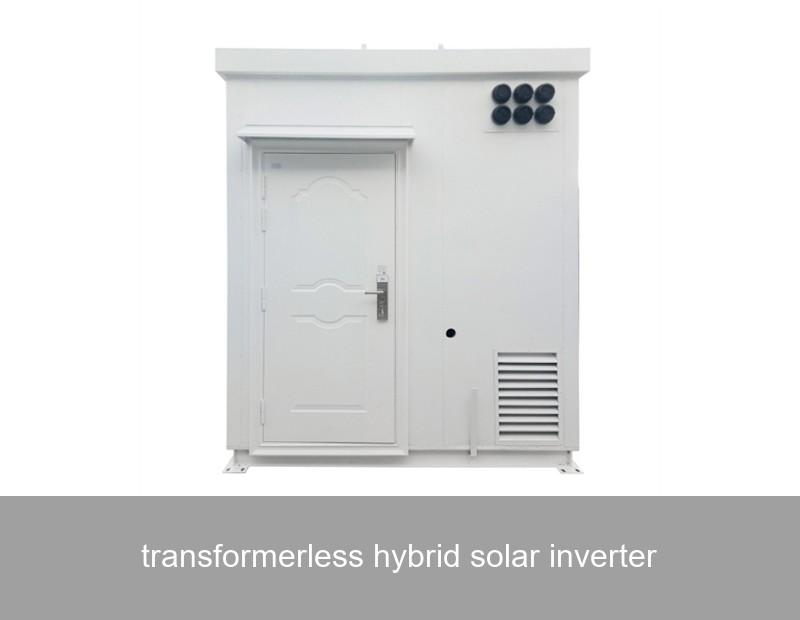
If you're exploring solar panels for your home, you've likely heard about inverters. But have you encountered the term transformerless hybrid solar inverter? This technological marvel is quietly revolutionizing how homeowners generate, store, and use energy. Unlike older, bulkier inverters, these sleek units are more efficient, more intelligent, and form the core of a truly resilient and cost-saving energy system. As energy prices remain volatile and the desire for energy independence grows, particularly in Europe and the US, understanding this key component is the first step toward taking control of your power. Let's demystify this technology and see how companies like Highjoule are leveraging it to create smarter, sustainable energy solutions for homes and businesses.
Table of Contents
- What is a Transformerless Hybrid Solar Inverter?
- Key Benefits: Why Go Transformerless?
- How It Works: The Brains of Your Energy Operation
- Real-World Impact: A Case Study from Germany
- Highjoule's Intelligent Integration
- The Future of Home Energy Management
What is a Transformerless Hybrid Solar Inverter?
At its simplest, a solar inverter's job is to convert the direct current (DC) electricity produced by your solar panels into the alternating current (AC) that powers your home. A hybrid inverter adds a crucial second function: it can also manage a battery storage system, charging it with excess solar energy and discharging it when needed. The "transformerless" part refers to the advanced electronic design that eliminates the large, heavy, and less efficient traditional transformer found in older inverters.
Think of it this way: the traditional inverter with a transformer is like an old, gas-guzzling car—it gets the job done but wastes a lot of energy as heat. A transformerless hybrid solar inverter is like a modern electric vehicle—sleek, highly efficient, and packed with intelligent features for optimal performance. This design shift, enabled by improvements in semiconductor technology, is a game-changer for system efficiency and size.

Image Source: Unsplash - A modern, compact transformerless hybrid inverter unit.
Key Benefits: Why Go Transformerless?
The advantages of choosing a transformerless hybrid system are substantial, impacting both your wallet and your system's capabilities.
- Higher Efficiency: This is the biggest win. By removing the transformer, these inverters reduce energy losses during conversion. Where traditional models might operate at 92-94% peak efficiency, transformerless designs consistently achieve 97-98% or higher. That extra 3-5% of your precious solar energy gets used, not wasted as heat.
- Lighter and More Compact: No heavy transformer means a much smaller and lighter unit. This makes installation easier, more flexible, and less obtrusive—a significant plus for residential applications.
- Reduced Cost: While the advanced electronics are sophisticated, the removal of bulky copper and iron components often makes transformerless inverters more cost-effective to manufacture, with savings passed to the consumer.
- Enhanced Safety & Intelligence: Modern transformerless inverters incorporate sophisticated safety mechanisms like anti-islanding protection (required by grid codes in the US and EU) to shut down during a grid outage unless paired with a battery. Their hybrid nature means they come with advanced energy management software, allowing homeowners to optimize self-consumption.
How It Works: The Brains of Your Energy Operation
Let's walk through a typical day for a system powered by a transformerless hybrid solar inverter:
- Morning: The sun rises. Your solar panels generate DC power, which flows to the hybrid inverter. The inverter converts DC to AC to power your morning appliances. Any excess energy, instead of being sent to the grid immediately, is directed to charge your home battery system.
- Afternoon: Solar production peaks. Your home's needs are met, the battery is fully charged, and now the surplus is automatically exported to the electricity grid (often earning you feed-in tariffs or credits).
- Evening Peak: The sun sets, energy demand spikes. The inverter seamlessly switches to drawing power from your fully charged battery, minimizing reliance on the expensive grid.
- Grid Outage: During a blackout, the inverter (if configured for backup) instantly disconnects from the grid and forms a "microgrid" using solar and battery power to keep your essential circuits running.
This intelligent orchestration is managed by the inverter's software, which can often be monitored and adjusted via a smartphone app. It's this level of control and optimization that delivers real savings. According to data from the National Renewable Energy Lab (NREL), pairing solar with storage and smart inverters can increase self-consumption of solar energy by 20% to 50%, dramatically improving the economics for the homeowner.
Real-World Impact: A Case Study from Germany
Theory is one thing, but real data tells the true story. Consider the case of the Schmidt family in Bavaria, Germany. In 2022, facing rising energy costs, they installed a 10 kW solar array with a 15 kWh battery, all managed by a high-efficiency transformerless hybrid solar inverter.
The Goal: Maximize self-consumption of solar energy and achieve near-total energy independence, reducing reliance on the volatile grid.
The Results (First 12 Months):
| Metric | Result | Impact |
|---|---|---|
| Solar Self-Consumption Rate | Increased from 35% (solar only) to 85% (with hybrid inverter & battery) | They use most of the energy they produce. |
| Grid Electricity Purchases | Reduced by 78% | Massive reduction in monthly electricity bills. |
| System Efficiency (Inverter) | Average 97.5% (Peak 98.2%) | Minimal energy loss in conversion. |
The Schmidts' system paid for itself in under 7 years, a figure accelerated by Germany's high electricity prices. Their transformerless hybrid inverter was critical, as its high efficiency ensured every possible kilowatt-hour from their roof was utilized effectively. "It's not just about saving money," Mr. Schmidt noted. "It's the peace of mind during storm-related outages and knowing we're contributing less to carbon emissions."

Image Source: Unsplash - Homeowners monitoring their hybrid solar and battery system performance.
Highjoule's Intelligent Integration
At Highjoule, we don't just supply components; we engineer integrated energy solutions. Our HPS Series Hybrid Power Station is built around a state-of-the-art transformerless hybrid inverter. We understand that the inverter is the brain, so we've designed our system for maximum synergy and simplicity.
Our HPS Series offers:
- Ultra-High Efficiency: Featuring our proprietary inverter technology with peak efficiencies exceeding 98%, ensuring maximum yield from your solar investment.
- Seamless Scalability: Whether you start with a smaller battery or plan for a whole-home backup, our modular design allows for easy expansion of storage capacity.
- Advanced Grid Services Ready: For markets that support it, our inverters are equipped for future grid-service functions like frequency response, helping to stabilize the community grid while potentially creating revenue streams for you.
- User-Centric Monitoring: The Highjoule Energy Hub app provides clear, actionable insights into your energy production, consumption, and savings, putting you in full control.
By choosing a complete Highjoule system, you ensure that the inverter, battery, solar panels, and software are all designed to work together perfectly, eliminating compatibility concerns and optimizing lifetime performance. As a global provider with deep experience in both European and North American markets, our systems are certified to meet the strictest safety and grid-compliance standards, like VDE-AR-N 4105 in Germany and UL 1741 SA in the US.
The Future of Home Energy Management
The transformerless hybrid solar inverter is more than just a piece of hardware; it's the gateway to becoming an active participant in the modern energy landscape. As virtual power plants (VPPs) and dynamic electricity tariffs become more common, these intelligent inverters will allow your home system to automatically respond, selling energy back to the grid when prices are high and charging when they are low, all without you lifting a finger.
The technology continues to evolve. We're seeing integration with electric vehicle charging, where your car becomes another storage asset, and further refinements in AI-driven prediction to optimize energy flows based on weather and usage patterns. The core principle remains: greater efficiency and intelligence at the heart of your system unlocks greater value.
Ready to Take the Next Step?
Understanding the technology is the first step. The next is seeing what it can do for your specific home, energy usage, and goals. What would a 70-80% reduction in your grid electricity purchases mean for your household budget over the next decade? How would energy security during extreme weather events change your family's peace of mind?
We invite you to explore the potential with a personalized assessment. What's the first question you have about transforming your home into a smart, efficient energy hub?
 Inquiry
 Online Chat