


Unlocking Energy Independence: A Deep Dive into Tri-Zone Power Generation
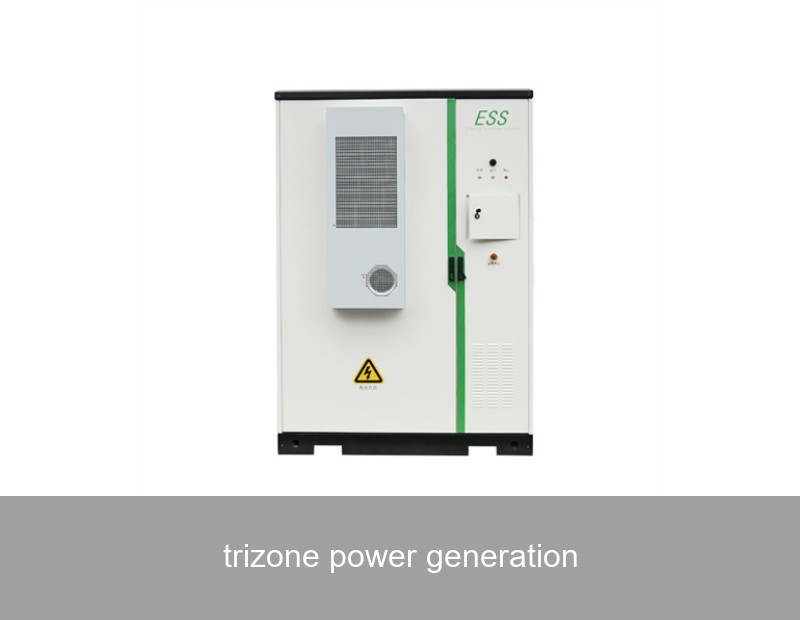
Have you ever wondered how to make the most of your solar panels when the sun isn't shining, or how businesses can truly break free from the grid's volatility? Welcome to the future of energy management: Tri-Zone Power Generation. This isn't just a buzzword; it's a transformative approach that intelligently orchestrates energy production, storage, and consumption across three distinct zones—solar generation, battery storage, and the main grid—to create a resilient, efficient, and cost-effective power ecosystem. For homeowners and businesses across Europe and the U.S., mastering this tri-zone dance is the key to energy security and sustainability.
Table of Contents
- What is Tri-Zone Power Generation?
- The Data Reality: Why Our Grids Need a Smarter Approach
- Tri-Zone in Action: A Real-World Case Study
- Highjoule's Intelligent Tri-Zone Solutions
- The Future is Zonal: Your Next Steps
What is Tri-Zone Power Generation? Beyond Simple Solar + Battery
Let's break it down. Traditional solar setups often create a two-way street: you generate power and either use it immediately or send it back to the grid. Tri-zone thinking adds a sophisticated, intelligent middle layer.
- Zone 1: Generation Zone: This is your primary energy source, typically rooftop solar PV. It's variable—producing abundantly at noon, nothing at night.
- Zone 2: Storage Zone: The heart of the system. This is your battery energy storage system (BESS), which acts as a buffer, storing excess solar energy for later use.
- Zone 3: Grid Interaction Zone: Your connection to the traditional utility grid, now transformed from a primary source into a strategic backup and trading partner.
The magic happens in the intelligent controller that manages the flow between these zones. It doesn't just react; it predicts. Using weather forecasts, electricity tariff schedules, and your consumption patterns, it decides in real-time: Should we charge the batteries now, power the facility directly, or sell back to the grid for maximum profit? This is the core of true energy independence.

Image Source: Unsplash. A modern home setup exemplifying the Generation (solar) and Storage (battery) zones.
The Data Reality: Why Our Grids Need a Smarter Approach
The push towards tri-zone systems isn't theoretical. It's a direct response to pressing challenges. In the U.S., the number of weather-related power outages has increased by roughly 78% over the past decade. Meanwhile, in Europe, electricity prices have seen extreme volatility, with day-ahead prices in markets like Germany occasionally spiking to over €500/MWh during supply crunches.
This phenomenon creates a dual problem: grid instability and financial unpredictability. Utilities are struggling with the "duck curve"—the steep ramp-up in demand when solar production drops in the evening. This strains traditional power plants and increases costs for everyone. For a commercial entity, a single prolonged outage can mean tens of thousands in lost revenue and spoiled inventory.
This is where a properly configured tri-zone system shifts from being a "nice-to-have" to a critical piece of operational infrastructure. It flattens the duck curve by using stored solar energy during peak demand, stabilizing the local grid and avoiding peak demand charges that can constitute up to 70% of a commercial electricity bill.
Tri-Zone in Action: A Real-World Case Study from California
Let's look at a concrete example. A mid-sized winery in California's Sonoma County faced two major issues: frequent public safety power shutoffs (PSPS) during wildfire season threatening their temperature-controlled fermentation tanks, and exorbitant demand charges from their utility.
The Solution: They deployed a tri-zone power generation system with a 250 kW solar array (Generation Zone) and a 500 kWh / 250 kW lithium-ion battery storage system (Storage Zone), all managed by an advanced energy management system. The Grid Zone connection remained but was set to be used only as a last resort or for selling excess power during high-price periods.
The Data-Driven Results (First Year of Operation):
| Metric | Result | Impact |
|---|---|---|
| Energy Self-Consumption | Increased from 35% to 85% | Dramatically reduced grid purchases |
| Peak Demand Charge Reduction | 92% | Saved over $2,800 monthly on demand charges alone |
| Outage Protection | Seamless backup through 5 grid outages (longest: 14 hours) | Zero production loss, saved $40k+ in potential spoilage |
| Grid Revenue | $3,200 from strategic energy export | Turned energy into an income stream |
This case, documented in a NREL report on commercial storage, perfectly illustrates the tri-zone advantage: resilience, savings, and even revenue generation. The system didn't just provide backup; it actively optimized financial performance every day.
Engineering Resilience: How Highjoule's Solutions Master the Tri-Zone Dance
At Highjoule, we've been engineering intelligence into energy storage since 2005. Our systems are built from the ground up to be the perfect conductor for your tri-zone power symphony. We understand that a true tri-zone system requires more than just hardware; it requires seamless integration and predictive intelligence.
Our flagship product, the Highjoule HiveStack™ Commercial Energy Storage System, is a modular, scalable BESS designed as the ultimate Zone 2 solution. Its integrated Adaptive Grid Interface (AGI) technology manages the complex interplay with Zone 3 (the grid), ensuring not just islanding capability during outages but also precise grid-support functions like frequency regulation. For the Generation Zone, our PowerSync™ controllers ensure maximum solar harvest, even on cloudy days, and make real-time decisions on whether to send that power to the facility, the battery, or the grid.
For residential clients in the U.S. and Europe, the Highjoule HomeHub provides this same tri-zone intelligence in a sleek, compact unit. It learns your family's energy habits, integrates with time-of-use tariffs from your utility, and automatically chooses the most economical and resilient energy path every 15 minutes.

Image Source: Unsplash. An engineer monitoring a large-scale BESS, similar to Highjoule's HiveStack, which forms the core of the Storage Zone.
Our services extend beyond the hardware. Highjoule's Energy Ecosystem Analysis helps clients model their unique three-zone dynamics, projecting savings, resilience gains, and ROI before a single panel is installed. We handle the entire lifecycle, from design and grid compliance—a critical step in both the EU and U.S. markets—to ongoing performance monitoring via our cloud-based JouleTrack™ platform.
The Critical Role of Battery Chemistry and System Design
Not all storage zones are created equal. The efficacy of your tri-zone system hinges on the battery at its core. Highjoule utilizes primarily lithium iron phosphate (LFP) chemistry, known for its exceptional safety, long cycle life (often over 6,000 cycles), and stability. This is crucial for a system that may cycle daily. Furthermore, our system design incorporates passive cooling and robust thermal management, ensuring efficiency and longevity even in diverse climates from Scandinavian winters to Arizonan summers. This attention to detail is what transforms a simple battery into a reliable, decade-long cornerstone of your energy strategy.
The Future is Zonal: Your Next Steps
The transition from a passive energy consumer to an active energy manager is no longer a distant future concept. Tri-zone power generation provides the blueprint. The technology is proven, the economics are increasingly compelling, and the need for resilience is undeniable.
But implementation requires careful planning. The size of your solar array must be balanced with your storage capacity, and both must be tailored to your specific load profile and local utility rules. This is where expertise matters.
We leave you with this question: When you look at your next energy bill or consider the growing frequency of extreme weather events in your region, what is the single biggest risk or cost you could mitigate by taking control of your own energy generation, storage, and grid interaction?
We invite you to explore what a tailored tri-zone strategy could look like for your home or business. The journey to true energy independence begins with understanding the power of your own three zones.
 Inquiry
 Online Chat