


Understanding the Different Types of Solar Energy System for Your Home or Business
So, you're thinking about going solar. That's fantastic! But as you start your research, you'll quickly encounter a crucial question: which type of solar energy system is right for you? It's not a one-size-fits-all solution. The choice between a grid-tied, off-grid, or hybrid setup will fundamentally impact your energy independence, resilience, and savings. Let's demystify these options. Think of it as choosing a vehicle: one is like a dependable city car (grid-tied), another is a rugged overlanding vehicle built for remote trails (off-grid), and the third is a versatile plug-in hybrid that adapts to any journey (hybrid). Each serves a distinct purpose based on your location, goals, and the electrical infrastructure available.
Grid-Tied Solar Systems: The Common Choice
This is the most prevalent type of solar energy system in urban and suburban areas across Europe and the US. In a grid-tied system, your solar panels are connected directly to the public utility grid. It's a symbiotic relationship.
- How it works: During sunny days, your panels generate electricity. This power is used first to meet your immediate needs. Any excess is fed back into the grid. At night or during cloudy periods, you seamlessly draw power from the grid.
- Key Components: Solar panels, inverters (to convert DC to AC power), and a bi-directional meter that tracks energy imported and exported.
- The Financial Angle: Many regions offer net metering programs, where you receive credits for the surplus energy you export, effectively spinning your meter backwards. This can significantly reduce your utility bills.
However, there's a critical limitation: safety first. During a grid power outage, standard grid-tied systems automatically shut off to prevent sending electricity back to the grid, which could endanger utility workers. So, even on a sunny day, you'll be in the dark during a blackout unless you have a backup solution.
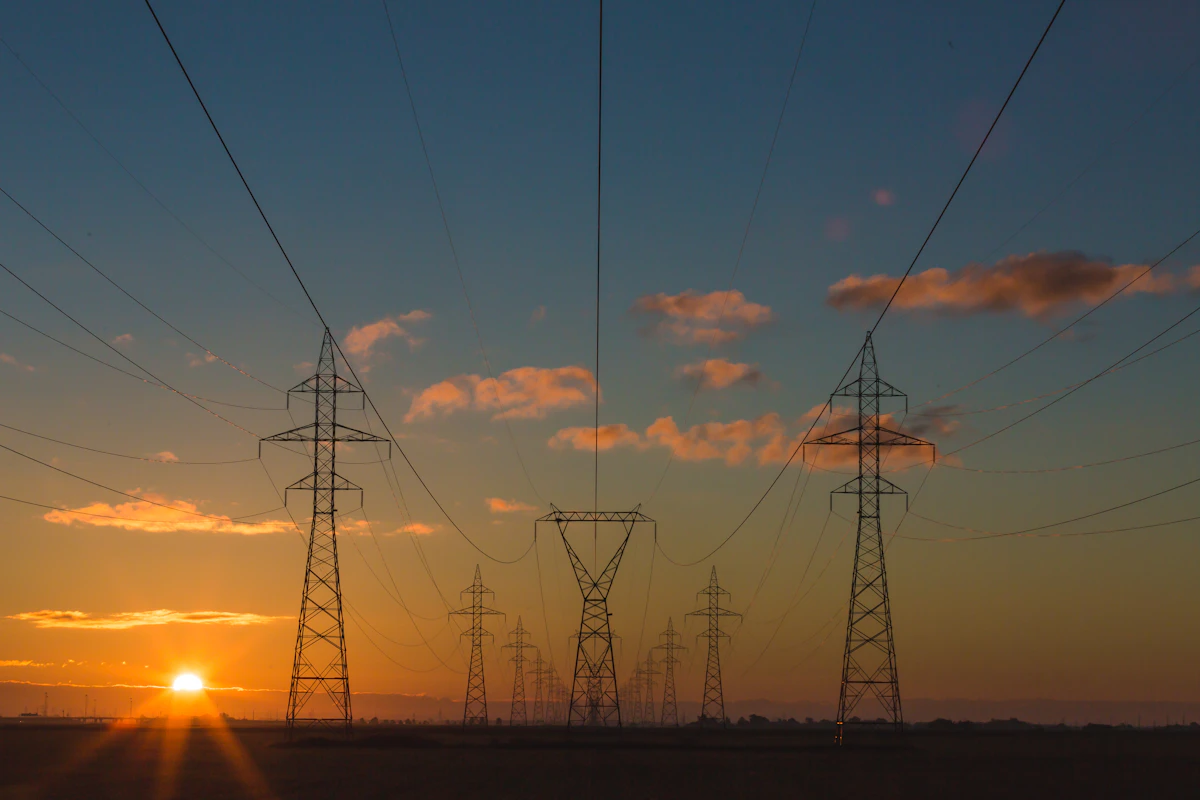
Image source: Unsplash - A typical grid-tied residential solar installation.
Off-Grid Solar Systems: Complete Energy Independence
As the name implies, this type of solar energy system has zero connection to the public utility grid. It's the ultimate solution for remote cabins, rural farms, or any location where extending a power line is prohibitively expensive or impossible.
- How it works: Solar panels charge a large bank of batteries. All the electricity your home or facility uses comes directly from these batteries via an inverter. A backup generator (often diesel or propane) is frequently part of the design to provide power during extended periods of poor weather.
- Key Components: Solar panels, a charge controller, a large-capacity battery energy storage system (BESS), an inverter, and often a backup generator.
- The Design Imperative: Off-grid systems require meticulous design. You must calculate your total daily energy consumption and size your solar array and battery bank to meet that demand, plus account for several "days of autonomy" with little sun. Oversizing is common to ensure reliability.
While offering total freedom from utility bills and rates, off-grid systems have a higher upfront cost due to the extensive battery storage required, and they demand more user awareness of energy consumption.
Hybrid Solar Systems: The Best of Both Worlds
Also known as "solar-plus-storage" or grid-interactive systems, the hybrid model is rapidly becoming the gold standard for those seeking both savings and security. It combines the key features of both previous systems.
- How it works: Like a grid-tied system, it remains connected to the utility grid. But it adds a crucial layer: a battery energy storage system. Your solar panels can now power your home and charge your batteries. During an outage, the system intelligently disconnects from the grid (a process called "islanding") and uses the stored energy in the batteries to power critical loads.
- Key Components: Solar panels, a hybrid inverter (which can manage power from panels, batteries, and the grid), and a battery storage system.
- The Smart Advantage: Modern hybrid systems can be programmed for time-of-use optimization. In regions with variable electricity rates, you can use cheap stored solar power during expensive peak hours, maximizing your financial return.
This is where companies like Highjoule excel. We specialize in intelligent, integrated hybrid solutions. Our systems aren't just collections of parts; they are engineered ecosystems. For instance, the Highjoule H-Energy Hub is a modular hybrid inverter and battery management system designed for residential and commercial use. It intelligently prioritizes solar self-consumption, manages grid import/export, and provides instant, seamless backup power the moment the grid fails—all controlled through an intuitive user app.
The Heart of Modern Systems: Why Battery Energy Storage is a Game-Changer
Whether for an off-grid necessity or a hybrid enhancement, the battery is the cornerstone of a resilient solar setup. The technology has moved far beyond old, bulky lead-acid batteries. Today, Lithium Iron Phosphate (LiFePO4) batteries, like those used in Highjoule's EverFlow BESS series, dominate the market for good reason.
| Battery Feature | Benefit for Your Solar System |
|---|---|
| High Depth of Discharge (DoD) | You can safely use 90%+ of the battery's stored energy without damaging it, unlike older tech. |
| Long Cycle Life (6,000+ cycles) | The battery can last 15+ years, outliving the payback period of your solar investment. |
| Enhanced Safety (LiFePO4 chemistry) | Inherently stable and less prone to thermal issues, offering peace of mind for home installations. |
| Scalability | Systems like Highjoule's are modular. You can start with a base capacity and add more battery modules as your needs or budget grow. |
Integrating such a battery transforms your solar array from a daytime-only contributor into a 24/7 personal power plant. This capability is vital not just for homes, but also for businesses looking to avoid operational downtime or for microgrids supporting critical community infrastructure.
Case Study: A German Bakery's Recipe for Resilience
Let's look at a real-world application in our European market. A mid-sized family bakery in Bavaria, Germany, was facing two problems: rising electricity costs that squeezed their margins, and occasional short grid outages that risked ruining entire batches of product in their electric ovens and cooling systems.
Their solution? A Highjoule-designed hybrid solar energy system.
- Installation: A 50 kW rooftop solar array paired with a 120 kWh Highjoule EverFlow commercial battery storage unit.
- Results: The system now covers over 70% of the bakery's total annual energy consumption. During the day, solar powers operations and charges the batteries.
- Resilience in Action: In the early evening, when grid prices peak and they are still baking, the system switches to battery power, avoiding expensive grid imports. During two grid outages in the past year, the system islanded seamlessly, keeping the ovens and lights on without interruption. The owner estimates a project payback period of under 7 years, factoring in energy savings and German government incentives for commercial solar and storage.
This case perfectly illustrates how the right type of solar energy system directly addresses specific financial and operational challenges.

Image source: Unsplash - A commercial-scale battery energy storage system similar to those used in industrial applications.
How to Choose the Right Type of Solar Energy System for You
Now that you understand the landscape, how do you decide? Ask yourself these key questions:
- What are your primary goals? Is it purely to save money (leaning grid-tied or hybrid), or is ensuring backup power during outages non-negotiable (leaning hybrid or off-grid)?
- What is your grid reliability like? If you experience frequent or long outages, the value of a battery in a hybrid system increases dramatically.
- What financial structures are available? Research local net metering policies, tax credits (like the U.S. Residential Clean Energy Credit), and specific rebates for adding storage. The economics are constantly improving.
- What is your site's energy profile? A professional assessment of your daily and seasonal consumption patterns is essential for proper sizing, especially for off-grid and hybrid systems.
Partnering with an experienced provider is crucial. Since 2005, Highjoule has been guiding homeowners, businesses, and communities through this exact decision-making process. Our approach isn't just about selling hardware; it's about designing a smart, efficient, and sustainable power solution tailored to your unique energy fingerprint. We analyze your data, model different scenarios, and provide a clear roadmap to energy independence that makes financial sense.
Ready to move beyond just comparing types of systems on paper? What would your ideal solar-powered day look like—would it be silently powering your home during a storm, or confidently running your business knowing you're protected from the next grid price spike?
 Inquiry
 Online Chat