


Wie Kann Man Energie Speichern? A Practical Guide to Modern Energy Storage
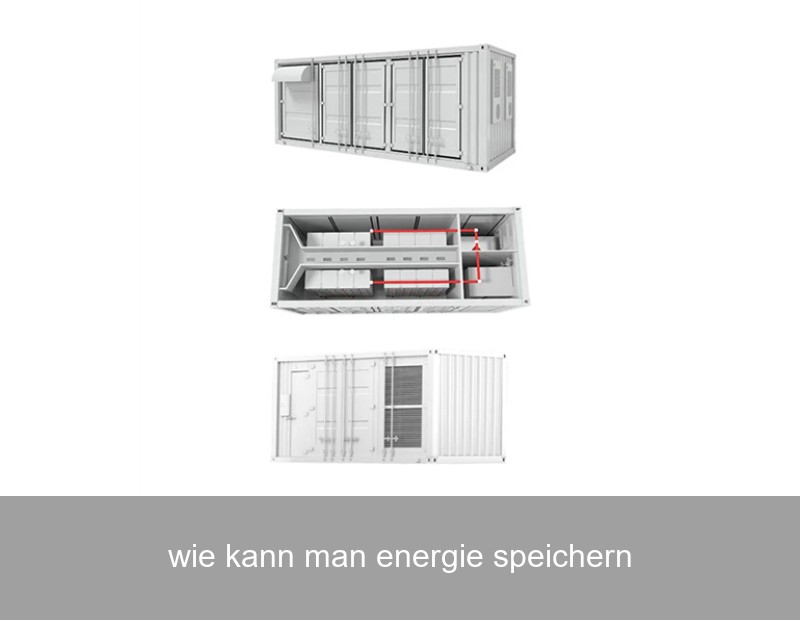
You've likely seen the headlines: renewable energy is breaking records. Solar panels glisten on rooftops, and wind turbines spin gracefully on the horizon. But have you ever wondered what happens when the sun sets or the wind stops blowing? This is the central challenge of our energy transition, and the answer lies in one crucial technology: energy storage. Understanding wie kann man energie speichern (how to store energy) is no longer just a technical question—it's the key to unlocking a reliable, sustainable, and independent power supply for businesses, industries, and homes.
The Core Challenge: Intermittency Meets Demand
Our modern grid was built on a simple premise: generate power exactly when it's needed. Fossil fuel plants provided this on-demand, or "dispatchable," power. Renewables flip this model. Solar and wind generation depends on the weather, not our daily coffee breaks or evening peak demand. This mismatch creates a dual problem: surplus energy during sunny, windy periods goes to waste, and shortages occur when generation drops. Without storage, the grid becomes unstable, and the full potential of renewables remains untapped. The data is compelling: according to the International Energy Agency (IEA), the world needs to add nearly 600 GW of energy storage capacity by 2030 to meet climate goals—a tenfold increase from today.

Image: The variability of solar and wind sources creates the fundamental need for energy storage.
How Can We Store Energy? Methods Explained
So, wie kann man energie speichern in practice? There isn't a one-size-fits-all answer. Different technologies serve different purposes, based on the required power (in kilowatts or megawatts), duration (seconds to months), and scale. Let's break down the main contenders.
Electrochemical Batteries (The Power Heroes)
When people think of energy storage, they most often think of batteries. Modern battery energy storage systems (BESS) are highly efficient, modular, and fast-responding.
- Lithium-ion (Li-ion): The current market leader, known for high energy density and efficiency. Perfect for daily cycling, from residential backup to grid services. Advancements are continuously improving safety and lifespan.
- Flow Batteries: Store energy in liquid electrolytes. They excel in long-duration storage (4+ hours) with minimal degradation, making them ideal for industrial applications that require long, steady discharges.
- Lead-Acid: A mature, lower-cost technology for smaller-scale backup power, though with shorter lifespan and depth of discharge compared to newer options.
Mechanical Storage (The Large-Scale Workhorses)
These technologies use physical forces to store energy, often at a utility scale.
| Technology | How It Works | Best For |
|---|---|---|
| Pumped Hydro Storage (PHS) | Pumps water to a higher reservoir when energy is cheap/plentiful, releases it through turbines to generate power when needed. | Large-scale, long-duration grid storage. Provides over 90% of global storage capacity. |
| Compressed Air Energy Storage (CAES) | Compresses air into underground caverns under pressure, then heats and expands it to drive a turbine. | Utility-scale, multi-hour storage where suitable geology exists. |
| Flywheel Energy Storage | Spins a rotor at very high speeds in a vacuum, storing energy as kinetic energy. Slows down to discharge. | High-power, short-duration applications like frequency regulation. |
Thermal Storage (Capturing Heat)
A highly efficient method for buildings and industrial processes. Excess electricity (or direct solar heat) is used to heat water, molten salts, or other materials in insulated tanks. The stored heat is then used for space heating, hot water, or even to drive turbines for power. This is a cornerstone for decarbonizing heat, a major part of Europe's and North America's energy consumption.
Chemical Storage (The Long-Duration Option)
This involves converting electrical energy into a chemical fuel, most notably hydrogen via electrolysis. The hydrogen can be stored long-term and used in fuel cells to generate electricity, or in industrial processes. While less efficient round-trip than batteries, it's essential for seasonal storage and decarbonizing sectors like heavy transport and steel production.
A Real-World Case: Stabilizing the Grid in Bavaria
Let's move from theory to practice. Southern Germany, with its strong industrial base and ambitious renewable targets, faces grid congestion and frequency instability. To address this, a medium-sized manufacturing plant in Bavaria partnered with Highjoule to deploy a 2.5 MW / 5 MWh battery storage system.
The Problem: The local grid was prone to frequency deviations due to variable renewable input, risking fines for the grid operator and potential disruptions for sensitive manufacturing equipment.
The Highjoule Solution: We installed our H-Series Commercial BESS, featuring advanced lithium-ion cells and our proprietary GridSync™ energy management system. The system performs primary frequency regulation, responding to grid fluctuations in milliseconds.
The Data-Driven Results (12-month period):
- Grid Stability: Provided over 98% availability for frequency containment reserve (FCR) services.
- Economic Return: Generated over €280,000 in revenue from grid service markets.
- Cost Savings: Reduced the plant's peak demand charges by 18% through peak shaving.
- Sustainability: Enabled the integration of an additional 1 MW of on-site solar PV by storing excess daytime generation for night-shift use.
This case shows that asking "wie kann man energie speichern" leads to solutions that deliver not just technical benefits, but tangible economic and environmental returns. You can explore more technical insights on grid services from the U.S. Department of Energy's Energy Storage Hub.
Choosing the Right System for Your Needs
Selecting a storage solution depends on your primary goal. Here's a simple guide:
- For a Homeowner: Seek self-consumption of solar power and backup security. A modular, safe lithium-ion system like Highjoule's HomeVault with integrated inverter and easy monitoring is ideal.
- For a Business/Factory: Focus on peak shaving (cutting grid demand charges), power quality, and possibly revenue from grid services. A robust, scalable BESS with sophisticated software is key.
- For a Utility/Microgrid: The goals are grid deferral, renewable integration, and long-duration resilience. A hybrid approach combining high-power batteries for frequency control with longer-duration storage (like flow batteries or hydrogen-ready systems) may be optimal.
Highjoule's Intelligent Solutions: Bridging Technology and Application
At Highjoule, founded in 2005, we've moved beyond just providing hardware. We deliver intelligent, application-optimized storage systems. Our expertise lies in integrating the best battery chemistry for the use-case with our brain: the Highjoule OS.

Image: Intelligent control systems are crucial for maximizing the value of stored energy.
This platform uses AI and real-time data to make decisions that maximize your financial return and operational resilience. Whether it's automatically switching between self-consumption and grid-service modes for a commercial client in Texas, or managing a complex microgrid for an off-grid community in Scandinavia, our systems think ahead. Our product portfolio spans from the sleek HomeVault for residential users to the containerized MegaVault for utility-scale projects, all designed with safety, longevity, and total cost of ownership as paramount.
The Future Horizon of Energy Storage
The innovation pipeline is vibrant. We are actively researching and integrating next-generation technologies like solid-state batteries for even higher safety and energy density, and developing hybrid systems that combine different storage types for optimal performance. The question is evolving from "wie kann man energie speichern" to "wie kann man energie intelligent und wertschöpfend speichern" (how to store energy intelligently and value-addingly).
The journey towards a decarbonized future is undeniably powered by renewables, but it is enabled by storage. It's the critical link that turns green potential into reliable, 24/7 power.
What specific energy challenge—be it rising electricity costs, unreliable grid supply, or a sustainability target—is prompting you to explore energy storage solutions for your home or business today?
 Inquiry
 Online Chat