


Your Ultimate Guide to the 1 kVA Off-Grid Solar Inverter: Powering Independence
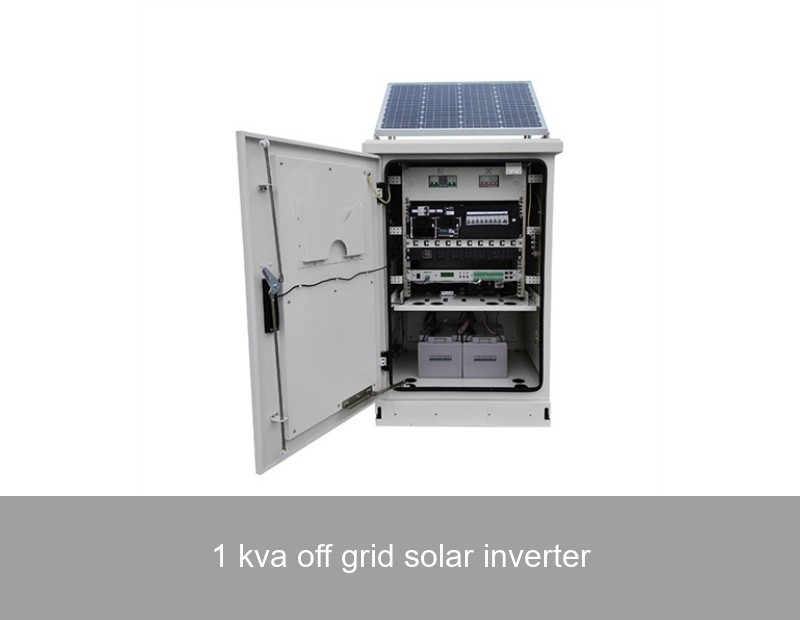
Imagine a quiet cabin in the woods, a remote weather station, or a small farm shed—places where the hum of the traditional power grid is just a dream. For decades, powering these locations meant relying on noisy, polluting, and expensive diesel generators. Today, the story is beautifully different. The heart of this modern energy independence story is a compact, intelligent device: the 1 kVA off-grid solar inverter. This isn't just a piece of hardware; it's the central command unit for a personal power plant, converting the sun's energy into reliable, clean electricity for your essential needs. As a leader in advanced energy storage, Highjoule has been at the forefront of designing intelligent systems that make off-grid living and operations not just possible, but simple and efficient.
Table of Contents
- What is a 1 kVA Off-Grid Solar Inverter?
- Why Choose a 1 kVA System? Understanding Your Power Needs
- Key Components of a Robust Off-Grid System
- A Real-World Case Study: Off-Grid Security in the Scottish Highlands
- Choosing the Right Inverter: Beyond Basic Specs
- The Highjoule Approach: Smart, Integrated Solutions
- Installation and Key Considerations
What is a 1 kVA Off-Grid Solar Inverter?
Let's break it down. "1 kVA" (kilovolt-ampere) is a unit of apparent power, closely related to the more common "kW" (kilowatt). For simpler appliances, 1 kVA is roughly equal to 1 kW of power. This rating tells you the inverter's continuous output capacity—it can power a load of up to 1000 watts at any given moment. "Off-grid" means it operates independently from the public electricity network. Finally, "solar inverter" is its core function: it takes the direct current (DC) electricity generated by your solar panels and stored in your batteries, and converts it into the alternating current (AC) that powers your lights, fridge, tools, and devices.
Unlike its grid-tied cousin, an off-grid inverter is a self-reliant manager. It doesn't just convert power; it orchestrates the entire system—charging batteries from solar, switching to battery power when the sun sets, and protecting components from overloads. It’s the indispensable brain of your autonomous energy ecosystem.
Why Choose a 1 kVA System? Understanding Your Power Needs
A 1 kVA off-grid solar inverter is the perfect workhorse for small to medium-scale applications. It's about matching capability with realistic demand. Think of it as powering the essentials, not an entire suburban home with multiple air conditioners.
- Typical Applications:
- Remote cabins, tiny homes, and sheds
- Telecom repeater stations and remote monitoring equipment
- Agricultural applications: water pumping, electric fencing, farm building lighting
- Backup power for critical loads in areas with unstable grids
- RV, marine, and mobile off-grid setups
- Load Examples a 1 kVA System Can Handle:
Appliance Approximate Power (Watts) Runtime on 1kVA* LED Lights (x5) 50 Extended Laptop 60 Extended Wi-Fi Router 10 Extended Small Refrigerator (efficiency A++) 80-150 Several hours Water Pump 400-600 Limited, while running Power Tools (e.g., drill) 500-800 Limited, while running *Actual runtime depends heavily on battery bank capacity.
The key is energy auditing—adding up the watts of all the devices you plan to run simultaneously. If your peak total stays safely under 1000W, a 1 kVA inverter is a cost-effective and efficient choice.
Key Components of a Robust Off-Grid System
Your inverter doesn't work alone. It's the star player in a coordinated team. For a reliable system, you need:
- Solar Panels: Your fuel source. For a 1 kVA system, a typical array size might range from 1.5 kW to 3 kW to account for less sunny days and ensure battery charging.
- Battery Bank: Your energy reservoir. This is where excess solar energy is stored for use at night or on cloudy days. Lithium-ion batteries, like Highjoule's H-LFP series, are now the gold standard for off-grid systems due to their longer lifespan, faster charging, higher depth of discharge, and compact size compared to traditional lead-acid.
- Charge Controller: The battery's guardian. It regulates the voltage and current from the solar panels to the batteries, preventing overcharging and damage. Modern Maximum Power Point Tracking (MPPT) controllers are highly efficient.
- Balance of System (BOS): Wiring, circuit breakers, fuses, and mounting hardware—the critical infrastructure for safety and performance.

Image Source: Unsplash (Representative diagram of an off-grid solar system)
A Real-World Case Study: Off-Grid Security in the Scottish Highlands
Let's look at a concrete example. A conservation trust in the remote Scottish Highlands needed to power a new wildlife monitoring station. The site was over 5 miles from the nearest grid connection, making a traditional tie-in prohibitively expensive (estimated at £35,000). The station's load included a 24/7 cellular data transmitter, camera traps, weather sensors, and interior LED lighting, with a peak simultaneous draw of approximately 850W.
The solution was a tailored off-grid system built around a robust 1 kVA pure sine wave inverter. The system included:
- 2.4 kW of solar panels mounted on a ground frame.
- A 5.12 kWh Highjoule H-LFP lithium iron phosphate battery.
- An MPPT charge controller.
Since installation 18 months ago, the system has maintained 99.8% uptime, even through harsh Highland winters. The trust saved roughly £28,000 in upfront grid connection costs and eliminated ongoing fuel expenses and noise pollution associated with a generator. The data, crucial for protecting local wildlife, now flows uninterrupted. This case highlights how a correctly sized 1 kVA system is not just about convenience—it enables critical operations in a sustainable and financially sound way. You can read more about the importance of system sizing from the U.S. Department of Energy.
Choosing the Right Inverter: Beyond Basic Specs
Not all 1 kVA inverters are created equal. Here’s what to look for:
- Waveform: Always choose a Pure Sine Wave output. It's clean and stable, identical to grid power, ensuring safe and efficient operation for sensitive electronics like laptops, medical devices, and tool battery chargers. Modified sine wave inverters can damage such equipment.
- Efficiency: Look for peak efficiency ratings above 90%. High efficiency means less energy is wasted as heat, giving you more usable power from your precious solar harvest.
- Surge Power: Many appliances, like pumps and fridge compressors, require a brief power surge (2-3 times their running wattage) to start. Ensure your inverter has a high surge rating (e.g., 2000-3000W) to handle these momentary demands.
- Integration & Smart Features: Modern inverters offer remote monitoring via smartphone apps, programmable settings, and seamless integration with battery management systems (BMS).
The Highjoule Approach: Smart, Integrated Solutions
At Highjoule, we understand that an inverter is more than a component—it's the intelligence hub of your energy system. Our H-PowerCube Off-Grid Series exemplifies this philosophy. These all-in-one units integrate a high-efficiency 1 kVA (and larger) pure sine wave inverter, an MPPT charge controller, and a sophisticated battery management system in one compact, weather-resistant enclosure.
Designed specifically for the European and North American markets, they are pre-configured to work flawlessly with Highjoule's H-LFP lithium battery racks. This plug-and-play design drastically simplifies installation and ensures optimal communication between components, extending system life and performance. Our cloud-based monitoring platform gives users and installers real-time insights into energy production, consumption, and battery health from anywhere in the world, turning a simple off-grid system into a smart, manageable asset. For a deeper dive into battery technologies, the ScienceDirect resource on Lithium-ion batteries provides excellent technical background.

Image Source: Unsplash (Representative image of a modern, integrated inverter/battery system)
Installation and Key Considerations
While a 1 kVA system is manageable, professional installation is highly recommended. Key steps include:
- Site Assessment: Evaluating solar access (shading analysis) and determining the optimal location for panels and equipment.
- Proper Sizing: As our case study showed, correctly sizing all components (solar, battery, inverter) is critical to avoid failure. It's a balance between your energy needs, budget, and desired uptime.
- Safety Compliance: Electrical work must comply with local codes and standards (like NEC in the US or IEC in Europe). This includes proper grounding, labeling, and disconnect switches.
- Future-Proofing: Consider if your energy needs might grow. Some systems, like Highjoule's modular battery racks, allow for easy capacity expansion later.
Remember, the quality of your components and installation directly impacts your system's reliability, safety, and return on investment over its 15-20 year lifespan.
Ready to Design Your Off-Grid Power Plan?
The journey to energy independence starts with a clear understanding of your needs. What does your essential load list look like, and what would it mean for your home, business, or project to have clean, silent, and self-generated power 24/7? We invite you to explore the possibilities with our system design tools or speak with one of Highjoule's technical experts to map out your path to off-grid freedom.
 Inquiry
 Online Chat