


Powering Independence: Your Guide to Off Grid Solar Kits in South Africa
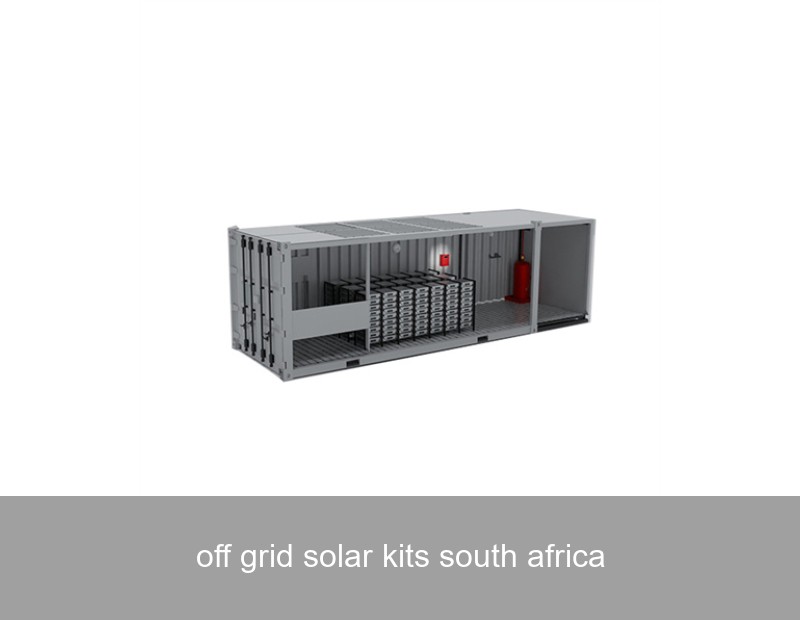
Imagine a life where load shedding is a distant memory, where your power supply is dictated by the sun, not the national grid. For many in South Africa, this isn't just a dream—it's a necessary solution. The pursuit of reliable electricity is driving a surge in demand for off grid solar kits South Africa. But what does it truly take to build a robust, independent power system that withstands the unique challenges of the South African climate and energy landscape? As a global leader in advanced energy storage, Highjoule has been engineering resilient solutions since 2005. Let's explore the journey from vulnerability to energy autonomy.
Table of Contents
- The South African Energy Phenomenon: More Than Just Load Shedding
- Anatomy of an Off-Grid Solar Kit: Beyond the Panels
- The Highjoule Advantage: Intelligent Storage for Maximum Resilience
- Case Study: A Karoo Farm's Transformation
- Key Considerations for Your Off-Grid Project
- Your Energy Future: What's the First Step?
The South African Energy Phenomenon: More Than Just Load Shedding
While load shedding stages dominate headlines, the need for off grid solar kits in South Africa extends deeper. Remote farms, game lodges, and rural communities often have no grid connection at all—a reality for significant portions of the country. Even in urban areas, grid instability can damage sensitive electronics and disrupt business operations. The common thread? A fundamental need for a self-sufficient, predictable, and clean power source. Solar energy, abundant across South Africa with over 2,500 hours of sunshine annually, presents the perfect indigenous resource to harness.
However, solar panels alone are not the answer. The real challenge lies in managing that energy: storing excess for night-time use, powering through cloudy days, and ensuring the entire system is safe, efficient, and long-lasting. This is where the core technology of any true off-grid system comes into play: the battery energy storage system (BESS).
Anatomy of an Off-Grid Solar Kit: Beyond the Panels
Think of a reliable off-grid system as a self-contained microgrid. Each component must be precisely sized and intelligently integrated.
- Solar Panels (PV Array): The primary fuel source, converting sunlight into DC electricity.
- Charge Controller: Regulates the voltage and current from the panels to the batteries, preventing overcharging.
- The Heart: The Battery Bank: This is your energy reservoir. Deep-cycle batteries store the DC electricity for use when the sun isn't shining. Not all batteries are created equal.
- Inverter: Converts the stored DC power from the batteries into the AC power that runs your household appliances and tools.
- Balance of System (BOS): Wiring, mounting structures, safety disconnects, and monitoring systems.

Image Source: Unsplash (Representative image of a modern solar installation)
The critical piece often underestimated is the battery technology. Traditional lead-acid batteries have limitations in cycle life, depth of discharge, and maintenance. This is where modern lithium-ion solutions, particularly Lithium Iron Phosphate (LFP), have revolutionized off-grid living.
The Highjoule Advantage: Intelligent Storage for Maximum Resilience
At Highjoule, we've spent nearly two decades perfecting not just batteries, but integrated energy intelligence. Our approach to off grid solar kits for the South African context focuses on durability, safety, and smart management.
Our core product line for robust off-grid applications includes the Highjoule H-Series Modular Battery Systems. These LFP-based storage units are designed with scalability in mind. You can start with a smaller bank and expand as your needs grow—a perfect fit for a farmhouse or growing business. They offer a lifespan of over 6,000 cycles, can discharge deeply without damage, and include built-in Battery Management Systems (BMS) for cell-level monitoring and thermal safety.
More than hardware, our Energy Management System (EMS) software is the brain. It doesn't just store power; it optimizes it. The EMS can prioritize loads, learn your consumption patterns, and even integrate with a backup generator (if present) to use it only as a last resort, saving fuel and money. For a remote location in the Limpopo or Eastern Cape, where service calls are costly and time-consuming, this reliability and remote monitoring capability are invaluable.
Case Study: A Karoo Farm's Transformation
Let's look at a real-world application. Voëlfontein Game Farm, a 5,000-hectare conservation and hunting lodge in the Great Karoo, faced a common dilemma. Reliant on a noisy, expensive diesel generator running 12-16 hours daily, their operational costs were soaring, and the noise pollution disturbed both guests and wildlife.
In 2022, they installed a complete off-grid system centered on Highjoule technology:
- PV Array: 45kW of solar panels.
- Storage: A 120kWh Highjoule H-Series battery bank.
- Integration: Highjoule's bi-directional inverter and EMS platform.
- Backup: Their existing diesel generator was retained but integrated as an automatic backup for prolonged poor weather.
| Metric | Before System | After System |
|---|---|---|
| Diesel Consumption | ~18,000 liters/year | ~1,200 liters/year (backup only) |
| Fuel & Generator Maintenance Cost | ZAR 360,000+ annually | ZAR ~25,000 annually |
| System Availability | Unreliable, scheduled runs | >99.8% (EMS data) |
| Carbon Footprint | ~48 tons CO2e | ~3 tons CO2e |
The manager, Johan van der Merwe, noted: "The silence was the first thing we all noticed. Then came the electricity bills—or lack thereof. The Highjoule system manages everything seamlessly. We now market our lodge as a 'truly tranquil, sustainable escape,' which has directly increased bookings." This case illustrates that a well-designed off grid solar kit is a capital investment that delivers rapid operational savings and new value propositions.
Key Considerations for Your Off-Grid Project
Inspired? Before you embark on your project, here are crucial steps:
- Audit Your Loads: List every appliance, its wattage, and hours of use. Don't guess—measure with an energy meter. This determines the size of your inverter and battery bank.
- Site Assessment: Professional installers will evaluate your solar resource (shading, roof/orientation) and environment (temperature extremes affect batteries).
- Prioritize Quality & Integration: The cheapest components often lead to the highest long-term cost. Ensure all components (inverter, batteries, controller) are designed to communicate with each other. A fragmented system is a weak system.
- Plan for Expansion: Your energy needs will likely grow. Choose a modular storage system like Highjoule's that allows you to add capacity without replacing the entire bank.
- Understand the Maintenance: While modern LFP systems are largely hands-off, professional annual check-ups are recommended to ensure optimal performance and longevity.

Image Source: Unsplash (Representative image of a technician monitoring a modern energy storage system)
For deeper insights into global microgrid trends, you can explore resources from the National Renewable Energy Laboratory (NREL) or the International Renewable Energy Agency (IRENA).
Your Energy Future: What's the First Step?
The journey to energy independence is a detailed one, but it starts with a simple question: What is the true cost of your current power situation—not just in Rands, but in lost productivity, compromised safety, and environmental impact? Whether you're a homeowner in a load-shedding hotspot, a remote business owner, or managing a critical agricultural operation, the technology for a sustainable and reliable solution is here and proven.
Highjoule's expertise is not just in providing components, but in delivering intelligent, turnkey power solutions tailored for challenging environments from the USA to Europe, and yes, across South Africa. We partner with certified local installers to ensure your system is designed, permitted, and installed to the highest standards.
So, what would you power first with the certainty of your own sun-powered electricity?
 Inquiry
 Online Chat