


24V Lithium Ion Battery for Inverter: The Smart Heart of Modern Energy Independence
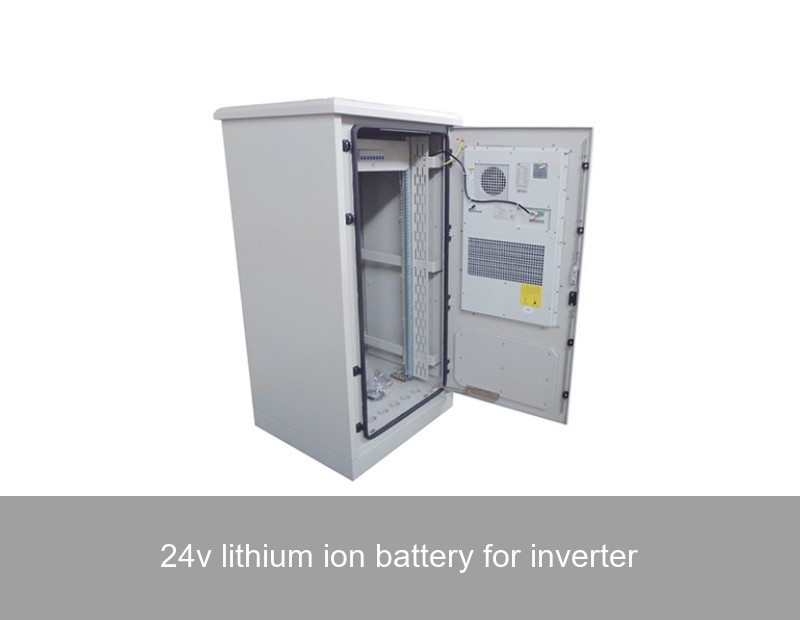
You've likely noticed it: the quiet hum of a backup system during a storm, the silent power behind an off-grid cabin, or the smooth operation of a critical medical device. At the core of this reliable energy shift is a specific, powerful component—the 24V lithium ion battery for inverter. Unlike their bulky, maintenance-heavy lead-acid predecessors, these batteries represent a leap in energy storage, offering a compact, long-lasting, and intelligent solution for converting stored DC power into usable AC electricity for your home or business. As grid instability rises and renewable energy adoption grows, understanding why this specific voltage class is becoming the standard for small to medium-scale energy storage is key to unlocking true power resilience.
Table of Contents
- Why a 24V System? The Voltage Sweet Spot
- Lithium vs. Lead-Acid: A Data-Driven Comparison
- Choosing the Right 24V Lithium Battery: Key Features
- Highjoule's Integrated Approach: Beyond the Battery Box
- Future Trends and Your Next Step
Why a 24V System? The Voltage Sweet Spot
In the world of inverters and battery-based power systems, voltage is a balancing act. Think of it like plumbing: higher voltage is like having wider pipes, allowing more power (water) to flow with less current (pressure). A 24V lithium ion battery for inverter system hits a practical sweet spot between common 12V and more powerful 48V setups.
- Efficiency & Cost: For systems powering 1500W to 3000W inverters—common for cabins, large RVs, backup essential home circuits, and small businesses—24V is ideal. It halves the current compared to a 12V system for the same power, meaning thinner, less expensive wiring and lower energy losses as heat.
- Scalability: 24V battery banks are easier to build and manage than large 12V arrays. They offer a perfect balance, providing substantial power without the complexity and component cost often associated with 48V systems, especially for DIY or modular installations.
- Component Availability: A vast ecosystem of inverters, charge controllers, and accessories are designed and optimized for 24V nominal systems, giving you more choice and flexibility.
Lithium vs. Lead-Acid: A Data-Driven Comparison
The "lithium" in 24V lithium ion battery for inverter is what transforms the game. Let's move past marketing claims and look at the hard data that impacts your wallet and peace of mind.
| Feature | Lithium Iron Phosphate (LiFePO4) | Traditional Lead-Acid |
|---|---|---|
| Depth of Discharge (DoD) | 80-90% usable capacity | ~50% to avoid damage |
| Cycle Life (to 80% capacity) | 3,000 - 6,000 cycles | 300 - 1,000 cycles |
| Energy Density | >3x higher | Baseline |
| Charge Time | 2-4 hours for full charge | 8+ hours |
| Maintenance | Virtually none | Regular watering, terminal cleaning | Efficiency (Round-trip) | >95% | 70-85% |
The numbers speak volumes. A LiFePO4 battery, the safest lithium chemistry dominating the storage market, delivers nearly its entire rated capacity for thousands of cycles. This means over its lifetime, one lithium battery can store and deliver the same energy as 4-5 sets of lead-acid batteries. The higher upfront cost is quickly amortized, making it the clear economical choice for long-term storage according to the U.S. Department of Energy.

Image Source: Unsplash (Representative image of battery technology comparison)
A Real-World Case Study: Off-Grid Living in Northern Sweden
Let's ground this data in reality. Consider a family home in rural Norrbotten, Sweden, where winter brings near-constant darkness and temperatures plunge below -30°C. Reliable power for heating, lighting, and communication is not a luxury—it's a necessity. The homeowner initially used a bank of 24V lead-acid batteries with a 2.5kW inverter.
The Problem: The lead-acid bank required a heated battery room, consumed significant energy for self-heating, and its usable capacity dropped by over 60% in cold weather. Frequent deep discharges degraded the batteries within two winters, requiring costly replacement.
The Lithium Solution: They upgraded to a modular 24V lithium ion battery for inverter system with a built-in Battery Management System (BMS) featuring low-temperature charge protection. The results were transformative:
- Usable Capacity: Even with derating, the lithium bank provided 12 kWh of usable energy vs. the lead-acid's effective 4 kWh in winter.
- Longevity & Reliability: The batteries maintained performance across three severe winters with no degradation, projected to last over 15 years.
- Space & Efficiency: The system footprint shrank by 60%, and round-trip efficiency gains reduced their solar panel "waste," making more of the scarce winter sun usable.
This case mirrors findings from the International Energy Agency, which notes that lithium-ion's performance in varied climates is accelerating off-grid and backup adoption worldwide.
Choosing the Right 24V Lithium Battery: Key Features Beyond Voltage
Not all 24V lithium ion battery for inverter units are created equal. Here’s what to scrutinize:
- Chemistry: Insist on LiFePO4 (LFP). It offers superior thermal and chemical stability, a longer lifespan, and is inherently safer than older NMC chemistries.
- BMS Intelligence: The BMS is the brain. It must provide cell balancing, temperature monitoring, and protect against over-charge, over-discharge, and short circuits.
- Communication: Look for batteries with communication ports (CAN, RS485). This allows the battery to "talk" to compatible inverters and energy management systems for optimized charging, load management, and remote monitoring.
- Modularity & Scalability: Can you easily add more battery modules in parallel to grow your storage capacity later? A modular design future-proofs your investment.
Highjoule's Integrated Approach: The System is Greater Than the Sum of Its Parts
This is where Highjoule, as a system provider, distinguishes itself. We don't just sell a 24V lithium ion battery for inverter; we provide the intelligence that makes it sing. For residential and small commercial applications, our EcoNode 24S battery series is designed for seamless integration.
Imagine a battery that doesn't just store energy but understands your habits, solar production, and grid tariffs. The Highjoule EcoNode 24S, paired with our SmartHub Energy Manager, creates a self-optimizing microgrid. It can automatically decide when to store solar excess, when to power your home from the battery to avoid peak grid rates, and when to keep a strategic reserve for outages. This level of system intelligence, where the battery, inverter, and solar are in constant dialogue, is what delivers true efficiency and ROI. Our solutions are deployed from California to Germany, helping homeowners and businesses not just store energy, but manage it intelligently.

Image Source: Unsplash (Representative image of energy management system monitoring)
Future Trends and Your Next Step
The evolution of the 24V lithium ion battery for inverter is leaning towards even greater intelligence and grid interactivity. We're moving into an era of vehicle-to-home (V2H) capabilities and AI-driven energy forecasting, where your battery system becomes an active node in a more resilient, decentralized energy network.
So, the question isn't just "which battery should I buy?" but rather, "what kind of energy independence and intelligence do I want to build?" Are you looking to simply keep the lights on during occasional outages, or are you ready to actively manage your energy consumption, maximize your solar investment, and contribute to a more stable grid? The foundation of that choice starts with the right battery system.
 Inquiry
 Online Chat