


Finding the Best 370W Solar Panel for Sale: A Buyer's Guide to Smarter Energy
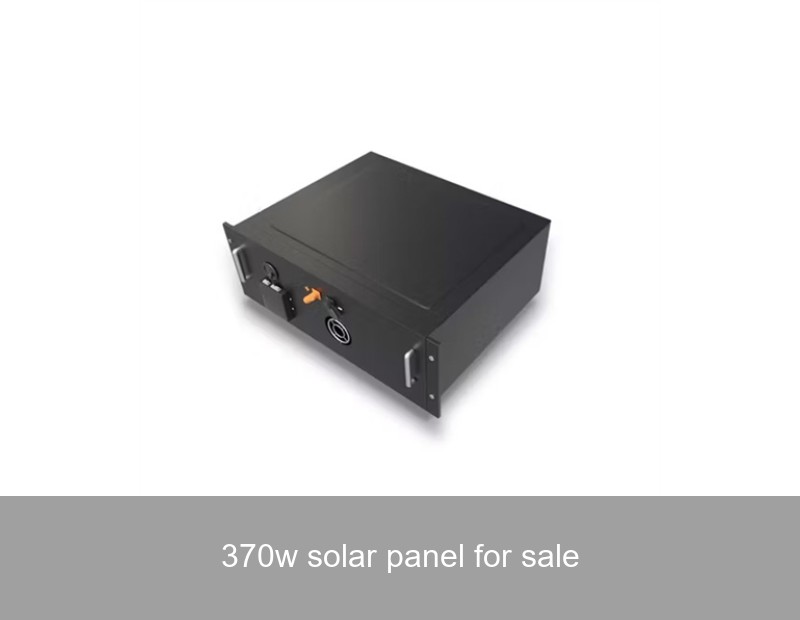
So, you're searching for a "370w solar panel for sale." That's a specific and excellent choice, placing you right in the sweet spot of modern solar technology. But in a market flooded with options, how do you ensure you're investing in a solution that delivers on its promise for decades? This guide will demystify the 370W solar panel, moving beyond the basic specs to help you understand its true potential in your energy ecosystem, whether for your home, business, or community project. As a product technology expert at Highjoule, I've seen firsthand how the right panel, paired with intelligent energy management, can transform energy costs and resilience.
The Power Evolution: From 250W to 370W+
Let's rewind a decade. A standard residential solar panel typically produced around 250W. The leap to 370W represents more than just a bigger number; it's a story of relentless innovation in photovoltaic (PV) cell technology. This increase in wattage per panel is primarily driven by advancements like PERC (Passivated Emitter and Rear Cell) design, which captures more sunlight, and the shift to larger wafer sizes (like M10 and G12). The result? You now need fewer panels to generate the same amount of power, saving valuable roof space and reducing installation hardware and labor costs. It's a clear response to the global demand for denser, more efficient, and more cost-effective solar energy.

Image: Modern high-efficiency solar panels maximize energy yield from the same footprint. (Source: Unsplash)
Why Data Matters: Efficiency & Real-World Output
When evaluating a 370w solar panel for sale, the wattage is just the starting point. Two critical metrics determine real-world performance:
- Module Efficiency: This percentage tells you how effectively the panel converts sunlight into electricity. A 370W panel with 21% efficiency is generally more advanced than one with 19%, often using better cell technology and materials.
- Temperature Coefficient: Solar panels lose efficiency as they get hot. A lower temperature coefficient (e.g., -0.34%/°C vs. -0.41%/°C) means the panel will perform better on a scorching summer day, crucial for consistent annual yield.
According to the National Renewable Energy Laboratory (NREL), average panel efficiencies have climbed steadily, with the best commercial modules now exceeding 22%. This translates directly to more kilowatt-hours (kWh) on your meter. Think of it this way: a high-quality 370W panel isn't just selling you power, it's selling you performance certainty over 25+ years.
Case Study: A German Mittelstand's Rooftop Revolution
Let's look at a real example from Bavaria, Germany. A mid-sized automotive parts manufacturer (a classic Mittelstand company) faced rising energy costs and wanted to lock in long-term price stability. Their roof space was limited but unshaded.
- Challenge: Maximize annual energy production on a fixed roof area to offset the highest possible portion of daytime consumption.
- Solution: They installed a 120kW system using 324 of Highjoule's recommended 370W high-efficiency monocrystalline panels. The panels' low temperature coefficient was a key selection factor for reliable summer output.
- The Critical Integration: This system wasn't installed in isolation. It was seamlessly integrated with a Highjoule HI Series Battery Storage System (250 kWh capacity) and our Energy Management Platform (EMP).
- Result: The panels generate peak power, but the intelligent system decides its best use in real-time. The EMP directs surplus solar energy to charge the batteries, which then power the facility through the evening peak rate period. Any excess beyond battery needs is fed back to the grid. Within the first year, the system achieved:
This case underscores a vital lesson: the value of a 370w solar panel for sale is magnified exponentially when it's part of a designed, intelligent system.Metric Result Annual Solar Generation 132,000 kWh On-Site Energy Consumption (from solar + battery) Increased from 35% to over 80% Grid Energy Cost Reduction Approx. €18,500 annually
Beyond the Panel: The Critical Role of System Synergy
Purchasing a solar panel is like buying a high-performance engine. To win the race, you need the right chassis, transmission, and driver. At Highjoule, we view the panel as one vital component within a broader energy ecosystem. Our expertise lies in creating synergy between generation, storage, and management.
- The Inverter Match: A 370W panel operates at a specific voltage and current. Your inverter must be optimally sized and configured to handle the array's total input to avoid clipping (losing energy) or underperformance.
- Storage is Key: As the German case shows, pairing solar with storage like the Highjoule HI Series unlocks 24/7 solar benefits. It turns intermittent sunshine into a reliable, dispatchable power source, providing backup during outages and maximizing self-consumption.
- Intelligent Control: Our EMP software acts as the brain, constantly analyzing energy production, consumption patterns, weather forecasts, and utility rates to make autonomous decisions that optimize for cost savings or carbon reduction.
This integrated approach is what transforms a simple solar purchase into a comprehensive, future-proof energy solution. The U.S. Department of Energy highlights system integration as a cornerstone for grid resilience and efficiency.
How to Choose the Right 370W Panel for Your Project
Faced with multiple options for a 370w solar panel for sale, use this checklist:
- Certifications & Warranty: Ensure panels have IEC/UL certifications and robust warranties (often 25-year linear performance, 12-year product).
- Manufacturer Reputation: Opt for established brands with proven bankability and a long-term service commitment.
- Technical Specifications: Compare efficiency, temperature coefficient, and degradation rate (yearly power loss).
- Partner, Not Just Supplier: Choose a provider like Highjoule that offers end-to-end system design. We don't just sell panels; we engineer solutions that include compatible inverters, storage, and software to ensure your 370W arrays perform optimally for their entire lifespan.
Image: Intelligent energy management systems maximize the value of every solar kilowatt-hour generated. (Source: Unsplash, representative image)
The Future Horizon: What's Next After 370W?
The innovation curve continues. We're already seeing premium panels reaching 400W, 450W, and beyond, primarily for commercial rooftops and utility-scale projects. Technologies like heterojunction (HJT) and topcon are pushing efficiency boundaries further. However, the core principle remains: energy intelligence is as important as energy generation. The future isn't just about higher wattage panels; it's about how seamlessly they communicate with home appliances, electric vehicle chargers, and the grid through platforms like ours. This creates an adaptive, responsive energy network right at your premises.
As you continue your search for the perfect 370w solar panel for sale, what specific challenge are you hoping to solve—is it reducing a volatile utility bill, achieving energy independence, or meeting corporate sustainability targets? The answer will guide you toward the right system architecture.
 Inquiry
 Online Chat