


About Hybrid Solar Systems: The Smart Energy Solution for Modern Living
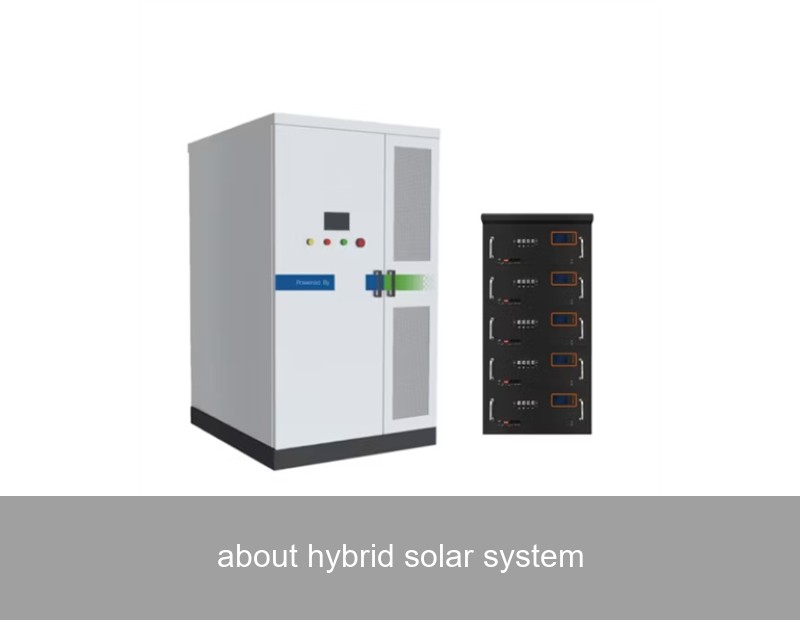
Have you ever wondered what happens to the excess solar energy your panels produce on a brilliantly sunny day? Or felt a pang of worry during a grid outage, even with solar panels on your roof? This is where understanding about hybrid solar systems becomes crucial. They are not just an upgrade; they represent a fundamental shift in how we think about energy independence. A hybrid solar system intelligently combines solar panels, a battery energy storage system (BESS), and a sophisticated inverter that can manage power from both the grid and your batteries. For homeowners and businesses across Europe and the US, this setup is the key to maximizing self-consumption, ensuring backup power, and achieving true energy resilience.
Table of Contents
- What Exactly is a Hybrid Solar System?
- The Problem: Solar's Intermittency and Grid Dependency
- The Data: Why Self-Consumption is the New Gold Standard
- The Solution: How Hybrid Systems Create Energy Intelligence
- A Real-World Case Study: Resilience in California
- Choosing Your Hybrid System: Key Considerations
- Highjoule's Role in Your Hybrid Energy Journey
What Exactly is a Hybrid Solar System?
Let's break it down simply. Think of a traditional solar setup as a one-way street: sunlight hits your panels, the inverter converts it to usable AC power for your home, and any excess is pushed back onto the grid (often for a feed-in tariff). A hybrid solar system transforms this into a multi-lane, intelligent highway. It integrates a battery storage unit and uses a "hybrid inverter" or a "smart inverter" that acts as the brain of the operation. This brain makes real-time decisions: power your home with solar first, store any surplus in the battery, then draw from the battery during the evening or during peak grid rates, and only use the grid as a last resort or backup.
- Core Components: Solar PV Panels, Hybrid Inverter, Battery Storage System, Smart Energy Manager.
- Key Function: To maximize the use of your self-generated solar energy, reducing reliance on the grid.
- Main Benefit: Energy independence, backup power, and significant cost savings over time.
The Problem: Solar's Intermittency and Grid Dependency
The phenomenon is clear: the sun doesn't shine 24/7. Your energy consumption, however, rarely stops. This creates a fundamental mismatch. In the morning and evening—when families are most active—solar production is low, forcing you to buy expensive power from the grid. Conversely, at midday, you might be producing more than you can use, selling it back at a lower rate than you buy it for. Furthermore, increasing grid instability, from severe weather events in the US to energy market fluctuations in Europe, exposes a vulnerability in traditional solar-only setups: when the grid goes down, most grid-tied solar systems are mandated to shut off for safety, leaving you in the dark despite having solar panels.
The Data: Why Self-Consumption is the New Gold Standard
The economic logic for hybrid systems is driven by compelling data. Feed-in tariffs (FiTs) across Europe have been steadily declining for years. In Germany, for instance, the tariff for new small-scale systems has fallen from over 50 euro cents/kWh in 2000 to around 6-8 cents today (Fraunhofer ISE, 2023). Meanwhile, retail electricity prices for households in the EU averaged over 28 euro cents/kWh in the second half of 2023 (Eurostat, 2024). This creates a massive price gap. In the US, states like California have adopted Net Billing 3.0 (NEM 3.0), which drastically reduces the credit for exported solar, making storage almost essential for new solar projects to be economical. The equation is simple: the value of consuming your own solar kWh is now 3-4 times greater than exporting it in many regions.
| Scenario | Traditional Solar (No Battery) | Hybrid Solar System (With Battery) |
|---|---|---|
| Energy Self-Consumption | Typically 30-50% | Can exceed 70-80% |
| Grid Independence During Outage | None | Full backup for essential loads |
| Bill Savings Potential | Good | Excellent (avoids peak rates, maximizes solar) |
The Solution: How Hybrid Systems Create Energy Intelligence
So, how does a hybrid system solve this? It's all about intelligent energy management. The hybrid inverter is the quartermaster, constantly allocating resources. Here’s a typical day in the life of a hybrid system:
- Sunrise to Midday: Solar production powers the home. Any excess starts charging the battery.
- Midday Peak Sun: Home is powered by solar, battery is fully charged. Further excess can be directed to specific loads (like an EV charger) or, if necessary, exported to the grid.
- Evening Peak Demand: Solar production drops. The system seamlessly switches to drawing clean, stored energy from the battery, avoiding expensive peak grid electricity.
- Nighttime: Home runs on battery until it reaches a preset reserve level (e.g., 20%), then supplements from the grid if needed.
- Grid Outage: The system automatically isolates from the grid (forming a "microgrid") and continues to power critical home circuits from the solar panels and battery.

Image: A clean, modern hybrid system installation with battery storage. Credit: Unsplash.
A Real-World Case Study: Resilience in California, USA
Let's look at a concrete example. A medium-sized household in Sonoma County, California, installed a 10kW solar array with a 15kWh hybrid battery system in early 2022. Their goals were to offset high electricity costs and ensure resilience against Public Safety Power Shutoffs (PSPS) and wildfires.
- System Data: 10kW Solar PV, 15kWh Lithium-Iron-Phosphate (LFP) Battery, Hybrid Inverter with grid-forming capability.
- Result (2023 Annual): Their grid electricity purchases fell by 94%. Their self-consumption rate of solar energy jumped from an estimated 40% to 88%.
- Resilience Outcome: During a planned 36-hour PSPS event in October 2023, the home maintained power for all essential loads (refrigeration, lighting, communications, and a well pump). The system managed energy by using the battery at night and recharging it from solar during the day, operating entirely off-grid.
This case highlights the dual financial and security benefits. The homeowner is protected from both volatile time-of-use rates and the increasing frequency of grid disruptions, a concern shared by many in both Californian and European markets facing similar climate challenges.
Choosing Your Hybrid System: Key Considerations
If you're thinking about hybrid solar systems for your property, here are the critical factors to discuss with your provider:
- Battery Chemistry & Capacity: Lithium Iron Phosphate (LFP) is now the preferred choice for residential storage due to its longer lifespan, safety, and stability. Capacity (measured in kWh) should be sized to cover your critical evening load and desired backup duration.
- Inverter Capability: Ensure the inverter is truly "grid-forming." This allows it to create a stable voltage and frequency, enabling it to start and run your home independently during an outage, not just when the sun is shining.
- System Scalability: Can you add more battery modules later if your needs change (e.g., buying an electric vehicle)?
- Smart Software & Monitoring: The user interface and control algorithms are what make the system "smart." Look for apps that allow you to set modes (e.g., "Maximize Self-Consumption," "Backup Reserve") and provide clear analytics.
Highjoule's Role in Your Hybrid Energy Journey
At Highjoule, with nearly two decades of experience since 2005, we've moved beyond just providing components. We engineer integrated, intelligent energy solutions. For homeowners and businesses looking into hybrid solar systems, our H-series Residential Energy Hub is a prime example. It combines a high-efficiency, grid-forming hybrid inverter with our proprietary LFP battery modules into a single, sleek unit. The system is managed by our EnergyOS platform, which uses AI-driven forecasting to optimize your energy flow based on weather predictions, your consumption patterns, and real-time utility rates.
Our approach is holistic. We work with a network of certified installers across Europe and North America to ensure that your system is not only high-performing but also perfectly tailored to your local climate, regulations, and financial incentives. Whether it's for a family home in Texas seeking storm backup, a commercial facility in Italy aiming to reduce demand charges, or a microgrid project in Scandinavia, Highjoule's technology is designed for the smart, resilient, and sustainable energy future.
Image: Advanced monitoring and control are key to hybrid system performance. Credit: Unsplash.
Ready to Take Control of Your Energy?
The journey to energy independence starts with a question: What are your primary energy goals—is it unwavering backup power, maximum bill savings, or reducing your carbon footprint? How would your daily life change if you were no longer at the mercy of the next grid outage or electricity price hike?
 Inquiry
 Online Chat