


Armoire Electrique Tunisie: The Smart Heart of Modern Power Management
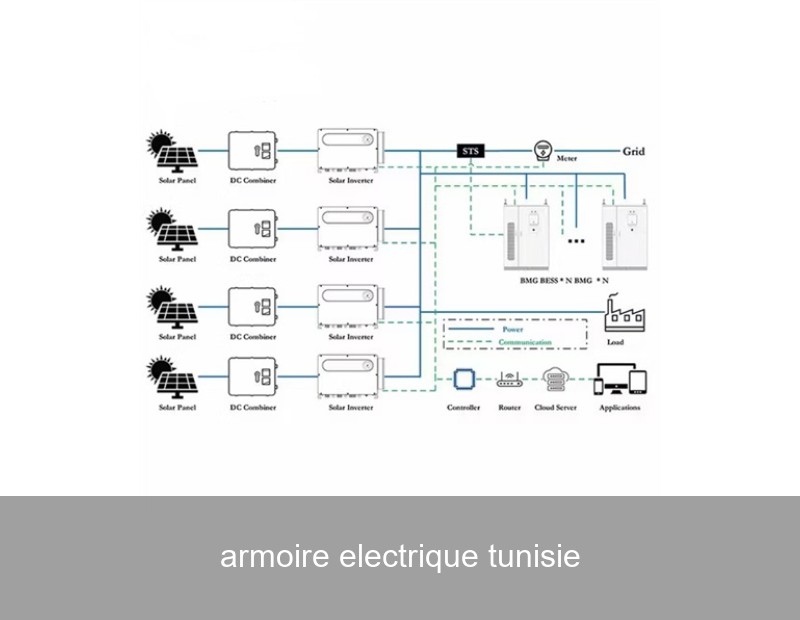
When we think about powering our homes and businesses, the humble armoire electrique (electrical cabinet) is often out of sight and out of mind. Yet, in Tunisia and across the globe, this crucial component is undergoing a quiet revolution. No longer just a metal box housing circuit breakers, the modern armoire electrique is evolving into the intelligent command center for energy, especially as renewable sources like solar become mainstream. This transformation is key to tackling grid instability, managing rising energy costs, and building a sustainable future. For facility managers, homeowners, and industries in Tunisia, understanding this shift is the first step toward energy independence and efficiency.
Table of Contents
- The Phenomenon: From Passive Box to Active Hub
- The Data: Why Modernization is Non-Negotiable
- The Case Study: A Tunisian Agro-Industrial Success Story
- The Insight: Core Components of a Smart Energy Cabinet
- Highjoule's Role: Engineering the Intelligent Core
- What Does the Future Hold for Your Electrical Cabinet?
The Phenomenon: From Passive Box to Active Hub
Traditionally, an armoire electrique Tunisie was a static, protective enclosure. Its job was simple: distribute power and prevent electrical faults. However, the energy landscape is changing dramatically. The influx of variable renewable generation—like rooftop solar panels—creates a two-way flow of power that old systems weren't designed to handle. You're not just consuming energy anymore; you might be producing it. This can lead to voltage fluctuations, grid feedback issues, and missed opportunities for savings. The modern challenge, therefore, isn't just protection, but active management. Today's smart electrical cabinet must integrate, monitor, and optimize multiple energy streams in real-time.
The Data: Why Modernization is Non-Negotiable
Let's look at the numbers. According to the International Renewable Energy Agency (IRENA), Tunisia aims to increase the share of renewables in its electricity production to 35% by 2030. This is a commendable goal, but it introduces complexity at the local level. For a commercial entity, peak energy demand charges can constitute up to 50% of the total electricity bill. Furthermore, without proper management, solar self-consumption rates might only reach 30-40%, meaning most generated power is exported to the grid at a lower value rather than used on-site.
A study by the International Energy Agency (IEA) on solar integration highlights that smart controls and battery storage are critical to increasing self-consumption and grid stability. This is where the evolution of the armoire electrique from a cost center to a value-generating asset begins.

Image: A modern energy management system. Source: Unsplash (Credit: American Public Power Association)
The Case Study: A Tunisian Agro-Industrial Success Story
Consider a real-world application from the region. A large olive oil processing plant in Sfax, Tunisia, faced crippling energy costs and unreliable grid power during the harvest season, which impacted cold storage and production lines. Their old armoire electrique was incapable of handling a new energy strategy.
Their Solution: They deployed an integrated system centered around a next-generation smart electrical cabinet. This cabinet was the nexus for:
- A 500 kW rooftop solar PV array
- A 1 MWh containerized battery energy storage system (BESS)
- Advanced power conversion and control systems
The Results (18-month period):
| Metric | Result | Impact |
|---|---|---|
| Energy Cost Reduction | 68% | Direct savings on operational expenditure |
| Solar Self-Consumption | Increased from 35% to 92% | Maximized return on solar investment |
| Backup Power Coverage | 100% for critical loads | Zero production stoppages due to grid outages |
| Grid Demand Peak Shaving | Consistent 40% reduction | Eliminated peak demand charges |
The Insight: Core Components of a Smart Energy Cabinet
So, what's inside this new generation of armoire electrique? It's a symphony of coordinated components:
- Smart Monitoring & Control (The Brain): An energy management system (EMS) that uses software and sensors to make real-time decisions.
- Bi-Directional Inverters (The Interpreter): Devices that manage the flow of power between AC grids, DC solar arrays, and DC batteries seamlessly.
- Safety & Protection 2.0 (The Guardian): Advanced devices that protect against modern hazards like arc flashes in DC solar circuits.
- Modular & Scalable Design (The Future-Proof Frame): The physical cabinet must allow for easy addition of battery packs or solar inputs as needs grow.
Highjoule's Role: Engineering the Intelligent Core
This is where a global leader like Highjoule becomes an essential partner. Since 2005, Highjoule has specialized in designing the intelligent core that turns a standard armoire electrique into a comprehensive energy management solution. For projects in Tunisia and similar markets, we don't just supply components; we provide integrated, smart systems.
Our Highjoule HiveMind ESS is a prime example. It's a fully integrated battery storage system that is designed to be the centerpiece of a modern electrical cabinet. It includes our own high-efficiency, liquid-cooled battery packs, hybrid inverters, and the proprietary HiveMind EMS software—all pre-assembled and tested for seamless integration. For the Tunisian agro-industrial plant, a solution like HiveMind was the key to achieving their remarkable results, as it handled the complex orchestration of solar, storage, and grid power autonomously.
Whether for a large industrial facility, a commercial building, or a residential community microgrid, Highjoule's expertise lies in creating systems that are intelligent, efficient, and built to last. We understand the local grid codes and challenges, ensuring our solutions are not just high-tech, but also perfectly adapted to the specific needs of the armoire electrique Tunisie market.
Image: A modern Battery Energy Storage System (BESS) unit. Source: Unsplash (Credit: Tesla)
Beyond Technology: The Value of Partnership
Adopting this advanced approach requires more than just buying hardware. It requires a partner with deep system integration knowledge and long-term support. Highjoule works with local Tunisian engineers and installers, providing the training and technical support needed to deploy and maintain these sophisticated systems effectively. This collaborative model ensures sustainability and builds local capacity.
What Does the Future Hold for Your Electrical Cabinet?
The journey toward an intelligent armoire electrique is not a distant future concept—it's a present-day necessity for economic and operational resilience. The integration of solar, storage, and smart controls is redefining what's possible for energy consumers everywhere.
Is your current electrical cabinet a passive cost center, or is it ready to become the active, profit-protecting hub of your energy ecosystem? What would a 40-70% reduction in your energy costs do for your business or community project in the coming year?
 Inquiry
 Online Chat