


Battery Charge with Solar Panel: Your Complete Guide to Energy Independence
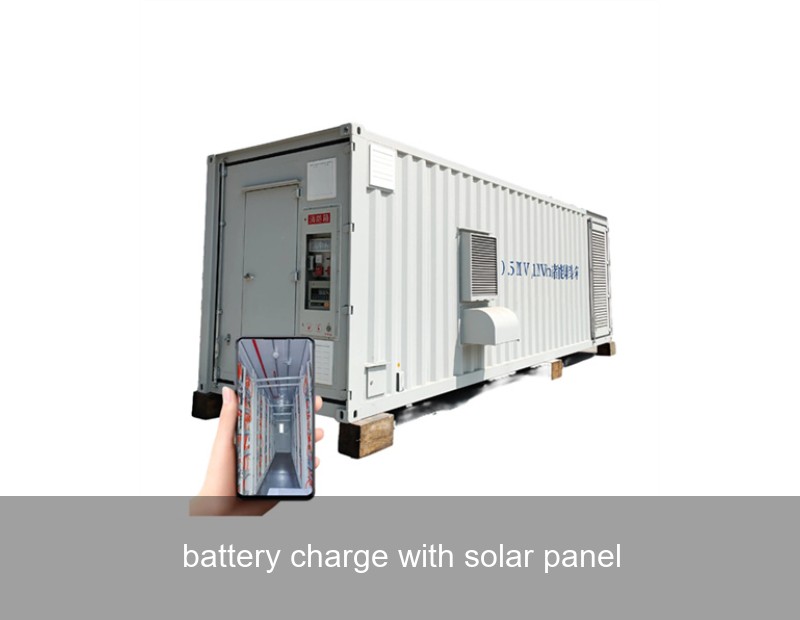
Have you ever watched your solar panels generate a surplus of clean energy on a sunny afternoon, only to see it flow back to the grid, while you draw expensive power from the utility in the evening? This common experience highlights a fundamental challenge in renewable energy: the mismatch between when solar energy is produced and when we need it. The solution, which is transforming homes and businesses across Europe and the US, is learning how to effectively battery charge with solar panel systems. This isn't just about storing power; it's about unlocking true energy autonomy, maximizing your solar investment, and building a more resilient power supply. As a leader in advanced energy storage since 2005, Highjoule is at the forefront of this intelligent energy management revolution, providing smart, efficient, and sustainable power solutions for residential, commercial, and industrial applications.
Table of Contents
The Core Challenge: Sunlight vs. Consumption
Solar panel output follows a predictable curve, peaking at midday. Our energy consumption, however, typically spikes in the early morning and evening. Without storage, this leads to a heavy reliance on the traditional grid during non-sunny hours, undermining the potential savings and self-sufficiency of your solar installation.
This isn't just a theoretical issue. Data from the U.S. Department of Energy shows that residential electricity demand often peaks between 4 PM and 9 PM, a period when solar generation is waning or has ceased. The financial impact is significant. In regions with time-of-use (TOU) rates or reduced solar feed-in tariffs, the price difference between importing and exporting electricity can be substantial.
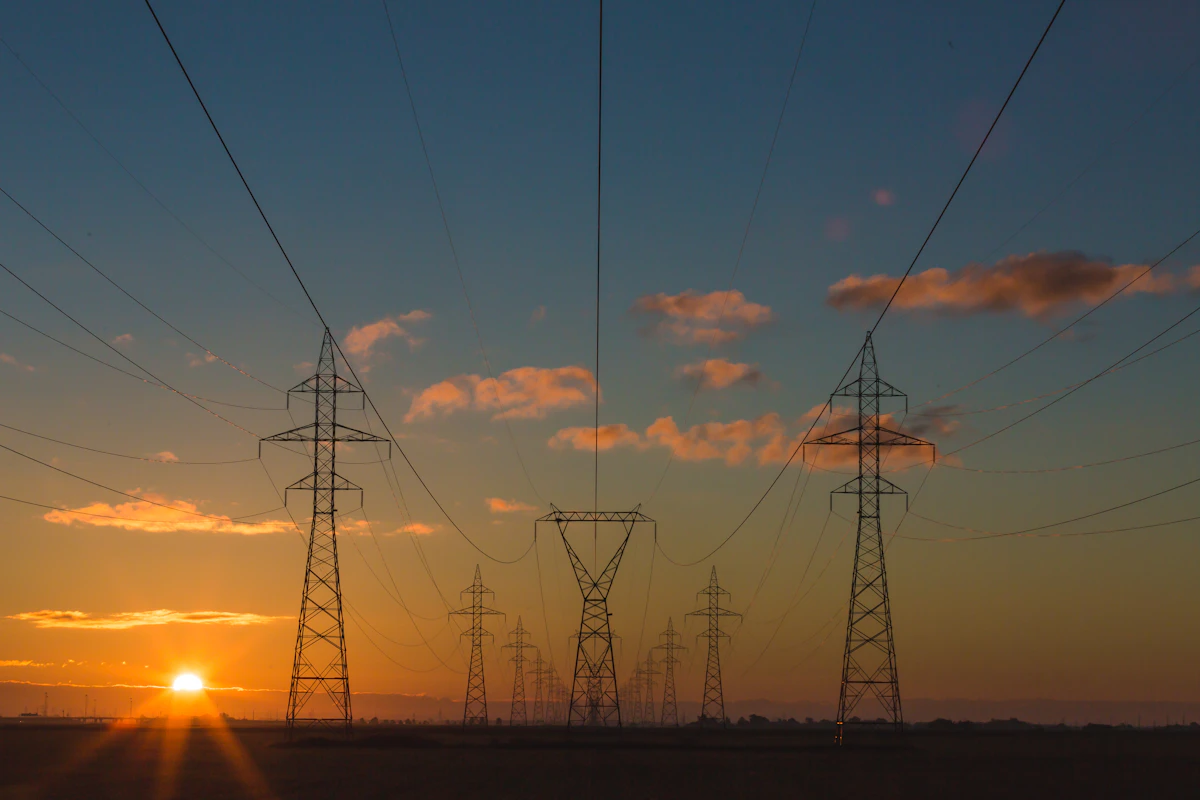
Image Source: Unsplash (Representative graph of energy mismatch)
How Does a Battery Charge with a Solar Panel System?
Think of it as a sophisticated, automated energy bank. Here’s the step-by-step process:
- Step 1: Solar Generation: Your photovoltaic (PV) panels convert sunlight into direct current (DC) electricity.
- Step 2: Conversion & Primary Use: An inverter converts DC electricity to alternating current (AC) for immediate use in your home or business.
- Step 3: Intelligent Diversion to Storage: When your solar production exceeds your immediate consumption, the excess energy is diverted to charge your battery storage system, rather than being sent to the grid.
- Step 4: Discharge on Demand: When your consumption exceeds solar production (e.g., at night or on cloudy days), the system intelligently discharges energy from the battery to power your loads.
- Step 5: Grid Interaction (As Needed): Only when the battery is depleted (or fully charged, depending on settings) does the system import from or export to the main grid.
The brain of this operation is the energy management system (EMS), which constantly makes these decisions to optimize for cost, self-consumption, or resilience.
Key Benefits: Beyond Just Backup Power
While emergency backup during outages is a major advantage—especially in areas prone to extreme weather—the benefits of pairing a battery with solar panels run much deeper.
| Benefit | Description | Impact |
|---|---|---|
| Maximized Self-Consumption | Use more of the solar energy you produce on-site. | Dramatically reduces electricity bills, improves ROI on solar panels. |
| Time-of-Use (TOU) Optimization | Store solar energy when grid rates are low, use it when rates are high. | Protects against peak pricing, leading to greater bill savings. |
| Grid Support & Stability | Batteries can provide services to the grid, like frequency regulation. | Potential for future revenue streams (in some markets) and supports the broader energy transition. |
| Increased Energy Independence | Reduce reliance on utility companies and fossil-fuel-based grid power. | Greater control over energy costs and source, enhanced sustainability profile. |
A Real-World Case Study: The Smithson Household, California, USA
Let's look at a concrete example. The Smithson family in Sacramento, California, had a 8 kW solar array installed in 2020. Despite this, their bills remained high due to Pacific Gas & Electric's (PG&E) steep TOU rates, where evening power costs over $0.45 per kWh.
The Problem: They were exporting excess solar energy at midday for a credit of ~$0.10/kWh, only to buy it back after sunset for over four times the price.
The Solution: In 2023, they installed a Highjoule ResiPower 10 home energy storage system. This 10 kWh lithium iron phosphate (LFP) battery system integrates seamlessly with their existing solar.
The Data-Driven Result (First 6 Months):
- Grid Import Reduction: Decreased by 82% during peak evening hours.
- Self-Consumption Rate: Increased from 35% to 90%.
- Monthly Bill Savings: Averaged $145, even after accounting for the system's financing.
- Backup Security: Provided 18 hours of critical load coverage during a planned public safety power shutoff (PSPS) event.
"The system just works autonomously," said Mrs. Smithson. "We don't think about it. We just see the savings and have peace of mind during fire season. The Highjoule app shows us exactly where our energy is going, which is empowering."

Image Source: Unsplash (Representative image of home battery installation)
Choosing the Right System for Your Needs
Not all solar battery systems are created equal. Key considerations include:
- Battery Chemistry: Lithium Iron Phosphate (LFP) is increasingly favored for its safety, long cycle life, and stability, making it ideal for residential use. Highjoule utilizes LFP technology across its product lines for these reasons.
- Capacity & Power: Capacity (kWh) is how much energy it stores; power (kW) is how much it can deliver at once. You need enough power to run your essential appliances simultaneously and enough capacity to cover your desired backup duration.
- Depth of Discharge (DoD): Refers to how much of the battery's capacity can be safely used. A higher usable DoD (like 90%+) means more of your stored energy is actually available to you.
- Integration & Scalability: Can it work with your existing solar? Can you add more batteries later? A modular design, like that of Highjoule systems, offers future-proof flexibility.
Highjoule's Integrated Solutions: Designed for Real-World Performance
At Highjoule, we engineer storage solutions that make the process of using a battery charge with solar panel seamless, intelligent, and highly efficient. Our systems are designed with the end-user experience in mind, providing not just hardware, but a comprehensive energy ecosystem.
For residential customers, our ResiPower Series offers scalable LFP battery solutions from 5 kWh to 20 kWh, all managed by our intuitive Energy Hub platform. The Hub learns your consumption patterns, integrates weather forecasts, and automatically optimizes for your chosen priority—whether it's maximum savings, backup readiness, or grid support.
For commercial and industrial (C&I) clients, our GridMax C&I systems provide robust, containerized or modular storage solutions that manage demand charges, provide uninterrupted power for critical operations, and enable participation in grid services programs. A bakery in Germany using a GridMax system, for instance, has successfully flattened its peak demand curve, avoiding over €15,000 annually in demand charges while ensuring its refrigeration never fails.
Our approach is holistic. We consider the entire system—solar inverters, battery management, and smart load control—to ensure all components communicate perfectly for optimal performance and longevity.
The Future of Solar and Storage
The trend is clear: solar and storage are becoming a single, integrated product. Research from sources like the National Renewable Energy Laboratory (NREL) indicates that the declining cost of batteries is accelerating this adoption. We're moving towards energy systems that are not just passive generators but active, grid-interactive assets. Imagine a future where your home system automatically reacts to grid signals, helping to balance regional supply and demand while earning you credits—all without you lifting a finger.
What would you power first if you knew you could have reliable, clean energy for your home or business 24/7, regardless of what's happening on the grid? The technology to answer that question is here today.
 Inquiry
 Online Chat