


Choosing the Right Battery Pack Supplier: A Guide to Powering Your Energy Future
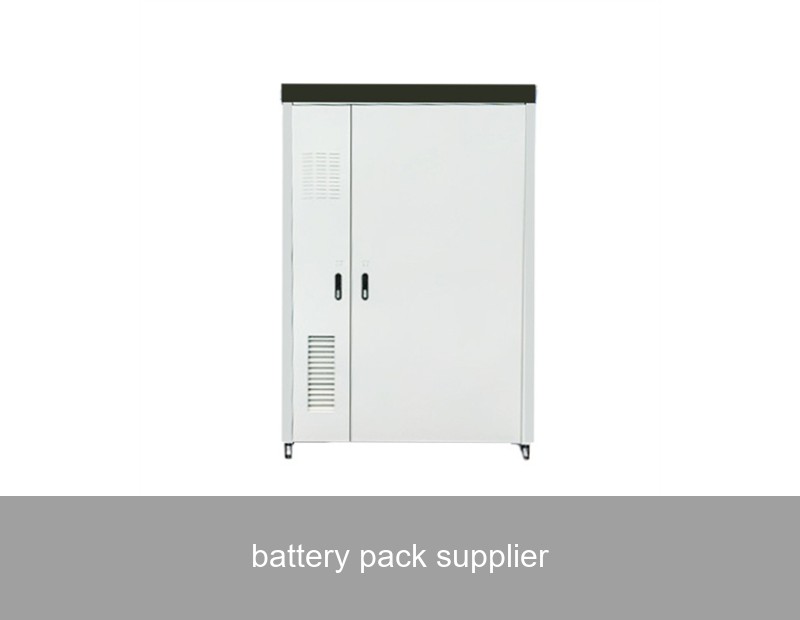
As the global shift towards renewable energy accelerates, a critical component often sits at the heart of the transition: the battery pack. Whether you're a homeowner looking to maximize solar self-consumption, a business aiming to cut energy costs, or a developer building a resilient microgrid, your choice of battery pack supplier is a decision that will impact performance, safety, and return on investment for decades. This isn't just about buying a product; it's about forming a partnership for a sustainable, reliable power supply. In this article, we'll explore the key considerations, backed by data and real-world examples, to help you navigate this vital choice.
Table of Contents
The Phenomenon: More Than Just a Battery Box
Gone are the days when a battery pack was simply a collection of cells. Today, it's an integrated energy management system. A top-tier battery pack supplier delivers a sophisticated ecosystem comprising advanced battery chemistry (like Lithium Iron Phosphate - LFP for safety and longevity), intelligent thermal management, sophisticated Battery Management Systems (BMS), and software that optimizes energy flow based on weather, tariffs, and consumption patterns. The phenomenon we see is that the most successful energy storage projects treat the battery as the physical core of a much broader digital and service-driven solution.

This shift means you must look beyond basic specifications. It's about how the system thinks and adapts. For instance, can it seamlessly integrate with existing solar PV inverters? Does it offer granular monitoring and control? These capabilities are what turn a capital expenditure into a strategic asset.
The Data: What Separates Leaders from the Pack
Let's talk numbers. When comparing suppliers, hard data is your best friend. Key performance indicators (KPIs) go far beyond just kilowatt-hours (kWh).
| Metric | Entry-Level Offerings | Advanced Supplier (e.g., Highjoule) | Impact on Your Project |
|---|---|---|---|
| Cycle Life (to 80% capacity) | 4,000 - 6,000 cycles | 8,000+ cycles (LFP chemistry) | Doubles potential system lifespan, drastically reducing levelized cost of storage (LCOS). |
| Round-Trip Efficiency | 88% - 92% | 96%+ | More stored energy is usable, improving ROI and sustainability credentials. |
| BMS & Safety Certifications | Basic protection | Multi-layer (cell, module, system) with UL 9540, IEC 62619 | Ensures project bankability, insurance compliance, and long-term safety. |
| Warranty & Degradation Guarantee | 10 years, 60% retention | 15+ years, 70%+ retention | Stronger warranty reflects confidence in product durability and protects your investment. |
According to a report by the National Renewable Energy Laboratory (NREL), advancements in BMS and thermal controls are primary drivers in extending battery life and safety, underscoring the importance of integrated design over standalone cells.
Case Study: A European Industrial Park's Success Story
Let's make this concrete. Consider a mid-sized manufacturing industrial park in Northern Germany. The challenge: high grid demand charges, volatile energy prices, and a commitment to carbon neutrality. Their 1.2 MW rooftop solar array was often curtailed during peak production.
They partnered with a battery pack supplier that provided a holistic solution: a 750 kWh containerized battery energy storage system (BESS) with integrated energy management software. The system was designed to perform multiple revenue-generating and cost-saving functions simultaneously:
- Peak Shaving: Automatically discharges during periods of high grid demand to reduce costly demand charges.
- Solar Self-Consumption Optimization: Stores excess midday solar generation for use in the evening.
- Frequency Regulation: Participates in the German primary control reserve market, generating revenue by helping stabilize the national grid.
- 25% reduction in overall energy costs from the grid.
- 95% solar self-consumption rate, up from 55%.
- Additional annual revenue of ~€45,000 from grid services.
- Projected payback period of under 7 years.

This case highlights that the right supplier doesn't just deliver hardware; they deliver a value-engineered system with the intelligence to capitalize on multiple economic streams.
Key Insights for Evaluating a Battery Pack Supplier
Based on industry patterns and cases like the one above, here are the critical questions to ask any potential partner:
1. Depth of Integration & Intelligence
Does their system offer true AC coupling for easy retrofit, or is it only for new builds? Can their software platform handle complex, rule-based energy dispatch strategies tailored to local utility rates (like time-of-use in California or agile tariffs in the UK)?
2. Proven Track Record & Local Support
Experience in your specific market (e.g., Europe or the U.S.) is crucial. Do they understand local grid codes, certification requirements (like VDE-AR-E 2510-50 in Germany), and incentive programs (like the Investment Tax Credit in the U.S.)? Ask for references from projects with similar scale and application.
3. Future-Proofing and Service
Energy needs evolve. Can the system's capacity be expanded modularly? What does the long-term service and maintenance agreement look like? A supplier with a robust, local service network is indispensable for ensuring uptime over a 15+ year lifespan.
The Highjoule Approach: Intelligent Storage, Built to Last
At Highjoule, with nearly two decades of experience since 2005, we've built our reputation as a global battery pack supplier on these very principles. We don't just sell battery packs; we provide certified, intelligent storage systems that are the result of deep vertical integration and software innovation.
Our flagship product lines, like the H-Series for Commercial & Industrial applications and the Nexus Platform for Microgrids, are designed with flexibility and intelligence at their core. They feature our proprietary Adaptive BMS, which continuously learns and optimizes performance, and our JouleOS software platform, which allows owners to seamlessly stack value streams—from arbitrage and peak shaving to virtual power plant (VPP) participation.
For residential clients, our Home Energy Hub integrates seamlessly with major solar inverter brands, offering homeowners a simple, powerful way to achieve energy independence with the peace of mind that comes with UL-certified safety and a robust 15-year warranty. Our global presence, with dedicated technical support teams in both Europe and North America, ensures our partners and end-users have a local expert to rely on throughout the system's entire lifecycle.

We believe in transparency, which is why our performance data and degradation curves are openly shared, allowing for accurate financial modeling. As noted by the Energy Storage News industry portal, this level of transparency is becoming a key differentiator for trusted suppliers in a competitive market.
Your Next Step Towards Energy Independence
The journey to a resilient, cost-effective, and sustainable energy setup begins with a single, well-informed decision. The landscape of battery technology is rich with opportunity, but it demands a partner who can navigate its complexities with you.
What specific energy challenge—be it unpredictable demand charges, grid instability, or unrealized solar potential—is currently limiting the growth or sustainability of your home, business, or community project? How might a truly intelligent battery storage system transform that challenge into a competitive advantage?
 Inquiry
 Online Chat