


Understanding the Key Components of a Solar Power Plant for Maximum Efficiency
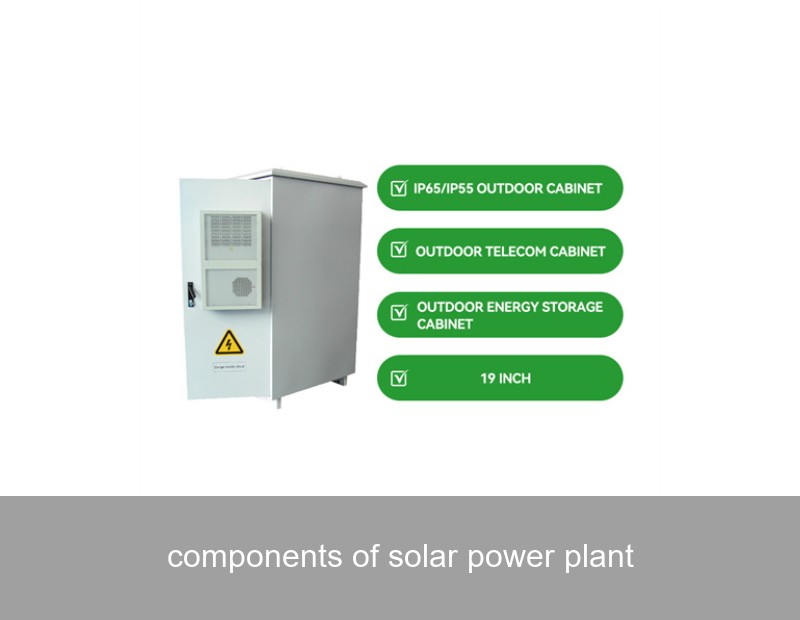
When you picture a solar power plant, the first image that likely comes to mind is a vast field of glistening panels under the sun. While the photovoltaic (PV) modules are the most visible stars of the show, they are just one part of a sophisticated symphony of technology. A modern, efficient solar installation is a complex ecosystem of interconnected components of a solar power plant, each playing a critical role in capturing, converting, managing, and delivering clean energy. Understanding these parts is crucial for anyone considering an investment in solar, whether for a large-scale utility project, a commercial rooftop, or an industrial microgrid. It's the harmony between these components that ultimately determines your system's performance, reliability, and return on investment.
The Core Components of a Solar Power Plant: A Detailed Breakdown
Let's move beyond the panels and delve into the essential hardware and software that make solar energy work. Think of it as dissecting the anatomy of a power generator.
1. The Solar Array: Catching the Sun
This is the starting point, the "fuel collector." The array consists of:
- PV Modules (Solar Panels): Typically monocrystalline or polycrystalline silicon cells that convert sunlight directly into direct current (DC) electricity. Efficiency and degradation rates are key metrics here.
- String Combiner Boxes: Safely combine the DC output from multiple strings of panels before sending it to the inverter. They include protection devices like fuses and surge protectors.

Image Source: Unsplash - A solar array, the most visible component of a solar plant.
2. The Inverter System: The Power Translator
Perhaps the most crucial active component. Solar panels produce DC electricity, but our grids and appliances use alternating current (AC). Inverters perform this conversion.
- Central Inverters: Used in large utility-scale plants, handling massive DC inputs from entire array sections.
- String Inverters: Common in commercial and residential settings, managing the output of a single string of panels.
- Microinverters: Attached to individual panels, optimizing output per panel and mitigating shading issues.
Modern smart inverters also provide grid-support functions like voltage and frequency regulation.
3. Racking and Mounting: The Silent Foundation
This is the skeleton that holds everything in place. It must withstand decades of environmental stress.
- Fixed-Tilt Systems: Simple, cost-effective structures set at an optimal angle.
- Single-Axis Trackers: Systems that allow panels to follow the sun's path east to west, increasing energy yield by 15-25% (NREL Report).
- Dual-Axis Trackers: Track the sun both east-west and north-south for maximum capture, often used in high-irradiance regions.
4. Balance of System (BOS): The Nervous System
This category encompasses all the other vital parts:
| Component | Primary Function |
|---|---|
| Transformers | Step up inverter AC output to medium voltage for grid connection. |
| Switchgear & Protection | Circuit breakers, disconnect switches, and relays for safe operation and isolation. |
| SCADA & Monitoring Systems | The plant's "brain." Supervisory Control and Data Acquisition systems monitor performance, log data, and enable remote control. |
| Grid Interconnection Equipment | Meters and interface hardware that meet utility requirements for feeding power to the grid. |
The Often-Overlooked Component: The Energy Storage System
Traditionally, solar plants send power directly to the grid. But what happens when the sun sets, or during peak demand periods when grid power is expensive? This is where the modern critical component enters: the battery energy storage system (BESS). Integrating a BESS transforms a solar plant from an intermittent source into a dispatchable, resilient power asset. It allows for:
- Energy Time-Shifting: Store excess solar energy produced at midday for use in the evening.
- Peak Shaving: Reduce demand charges for commercial and industrial users by discharging stored energy during high-rate periods.
- Grid Stability: Provide frequency regulation and backup power, enhancing the value of the solar asset.
Case Study: A German Industrial Park's 24/7 Solar Ambition
Consider a real-world example from Bavaria, Germany. A mid-sized automotive parts manufacturer with a 2 MW rooftop solar array faced a challenge: their production lines ran 24/7, but solar generation stopped after 6 PM. They were still purchasing over 60% of their power from the grid, often at high nighttime rates.
Solution & Data: The company partnered with Highjoule to integrate a 1.5 MWh containerized battery storage system alongside their existing solar plant. The Highjoule H2.IntelliBESS was chosen for its high cycle life, integrated DC-coupled design (which increases round-trip efficiency), and advanced energy management system (EMS).
Results (12-month post-installation):
- Grid Independence: Increased solar self-consumption from 35% to over 80%.
- Cost Savings: Reduced peak demand charges by 40% and overall energy costs by 28%.
- Reliability: The system now provides seamless backup power for critical loads during grid outages.
This case highlights how adding the right storage component fundamentally changes the economics and capability of a solar power plant.
How Highjoule Integrates Into This Ecosystem
At Highjoule, we don't just see storage as an add-on. We view it as the intelligent core that unlocks the full potential of all other components of a solar power plant. Our role is to provide the seamless integration layer. Our H2.EnergyOS platform acts as a master conductor, intelligently orchestrating between solar production, battery charge/discharge cycles, on-site load demands, and grid signals. For new builds or retrofits, our H2.IntelliBESS solutions, ranging from compact commercial units to massive utility-scale installations, are designed for DC-coupled or AC-coupled configurations, ensuring minimal energy loss and maximum system longevity. We ensure that the storage component is not an afterthought but a foundational element of a modern, profitable, and resilient energy asset.

Image Source: Unsplash - Modern battery storage system control room, a critical component for solar integration.
Optimizing Your Plant's Components for Maximum ROI
Selecting components isn't just about picking the highest efficiency panel or the largest inverter. It's about system-level synergy. Here’s a strategic approach:
- Start with the End Goal: Define your objective—is it pure grid revenue, maximum self-consumption, or critical backup? This dictates the component mix, especially storage size.
- Design for Inverter-Load Ratio (ILR): A ratio of panel DC capacity to inverter AC capacity greater than 1.0 ("overloading") can maximize energy production during non-peak hours, improving economics (U.S. Department of Energy).
- Prioritize System-Level Monitoring: Choose a SCADA/EMS, like Highjoule's platform, that can analyze the performance of every component in real-time, predicting maintenance needs and identifying underperformance.
- Future-Proof with Storage-Ready Design: Even if not installing batteries immediately, design your DC cabling, space, and inverter setup to allow for low-cost storage integration later.
Looking Ahead: What Will Be the Next Critical Component?
The anatomy of a solar power plant is evolving. We've moved from simple PV-plus-inverter setups to intelligent, storage-integrated, grid-interactive power stations. As we push towards 100% renewable grids, the next frontier is the integration of artificial intelligence for predictive energy management and vehicle-to-grid (V2G) technology, turning electric fleets into dynamic grid assets. The question for any asset owner or developer is no longer just "What panels should I use?" but rather, "How do I architect an ecosystem of components that is intelligent, adaptable, and resilient enough to thrive in the energy market of tomorrow?" How is your organization planning to integrate intelligence and storage into your next solar project to not just generate energy, but also manage and optimize it?
 Inquiry
 Online Chat