


What Are Energy Drawing Systems (EDS) and Why Are They the Future of Power Management?
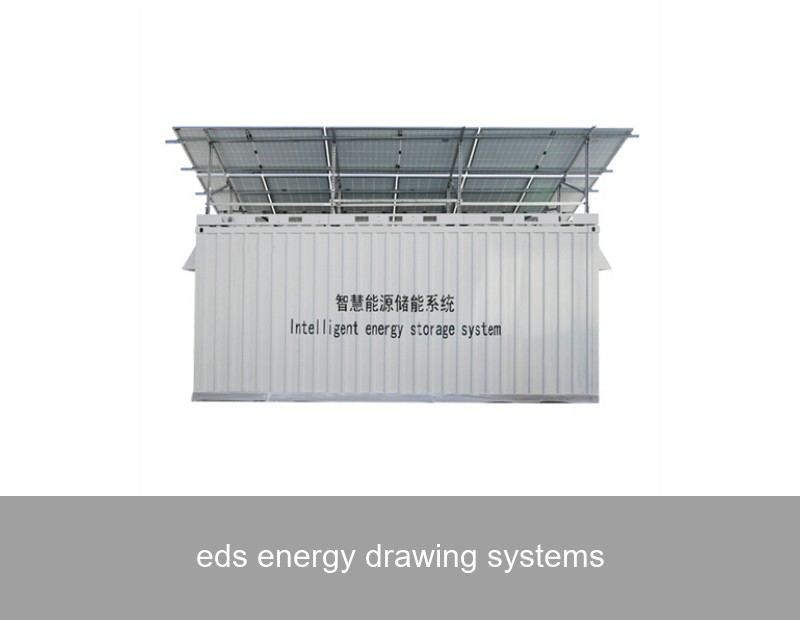
Imagine a world where your home or business doesn't just consume electricity, but actively and intelligently "draws" it from the most optimal, efficient, and cost-effective sources available. This isn't science fiction; it's the reality enabled by Energy Drawing Systems (EDS). For homeowners and businesses across Europe and the US facing rising energy costs and grid instability, the traditional one-way flow of power is becoming obsolete. In this article, we'll demystify EDS, explore its transformative potential, and show how this intelligent approach to energy management is creating more resilient and sustainable power infrastructures.
Table of Contents
What is an Energy Drawing System (EDS)?
At its core, an Energy Drawing System (EDS) is a sophisticated, software-driven platform that manages multiple energy sources and storage points. Think of it as a master conductor for your power ecosystem. Instead of passively pulling from the grid, an EDS actively "draws" energy based on a set of intelligent priorities: cost, carbon footprint, availability, and equipment health. It seamlessly integrates resources like:
- The main electrical grid
- On-site solar PV generation
- Battery Energy Storage Systems (BESS)
- Backup generators
- Future vehicle-to-grid (V2G) connections
By making real-time decisions, an EDS ensures you use the cheapest and greenest power available at any given moment, storing excess when it's abundant and discharging when it's scarce or expensive.

Image Source: Unsplash - Representative image of advanced energy management control systems.
The Problem: Static Grids in a Dynamic World
Our century-old grid infrastructure was built for a simpler time—a one-way street from power plant to consumer. Today, this model is under immense strain. In Europe, the volatility of wholesale energy markets, accelerated by geopolitical events, has caused unprecedented price spikes. In the US, aging infrastructure and extreme weather events lead to more frequent and longer outages. The International Energy Agency (IEA) notes that grid investment and digitalization are critical bottlenecks for the clean energy transition.
The phenomenon is clear: consumers and businesses are left vulnerable. The data tells a stark story. For instance, the U.S. Energy Information Administration (EIA) reported that in 2020, the average U.S. customer experienced just over 8 hours of power interruptions. The financial impact on businesses from these disruptions can run into millions.
How EDS Works: The Logic of Intelligent Drawing
So, how does an EDS solve this? It operates on a logic ladder, constantly asking and answering a series of questions to determine the optimal energy source.
The Decision-Making Hierarchy of an EDS
| Priority | Energy Source | Trigger Condition | Primary Benefit |
|---|---|---|---|
| 1. Highest | On-site Solar/Wind | Renewable generation > Current load | Zero-cost, zero-carbon power |
| 2. High | Battery Storage | High grid prices or outage detected | Cost savings & backup power |
| 3. Medium | Grid Power | Low grid price, low battery, no renewables | Grid stability, low-cost supply |
| 4. Low | Backup Generator | Grid outage & battery depleted | Ultimate resilience |
This dynamic switching happens autonomously, often without the end-user noticing anything other than lower bills and unwavering power. The system's AI learns consumption patterns, weather forecasts for solar production, and even real-time utility pricing signals (where available) to pre-charge batteries before peak rate periods begin.
A Real-World Case Study: EDS in Action
Let's look at a concrete example from a commercial setting. A mid-sized dairy processing plant in Bavaria, Germany, was facing annual electricity costs of over €500,000 and needed to meet corporate sustainability targets. Their challenge was the high energy intensity of cooling processes, which coincided with high afternoon grid tariffs.
The Solution: The facility was equipped with a 2 MWp solar carport system, a 1 MWh Highjoule H-Cube commercial battery storage unit, and integrated into a Highjoule Neuron EDS platform. The system was programmed with the plant's operational schedule and utility rate structure.
The Data-Driven Outcome: The EDS orchestrates the following daily cycle:
- Morning: Powers operations directly from solar generation.
- Midday Peak Sun: Directs surplus solar to charge the H-Cube battery to 100%.
- Afternoon Peak Grid Rates (2-8 PM): The EDS draws virtually 0 kW from the grid. It powers the facility entirely from the stored battery energy.
- Evening/Night: Draws from the grid only during low-rate periods for baseline loads and to provide a minimal battery buffer for the next day.
The results after one year? A 40% reduction in annual electricity costs and a 70% reduction in grid-drawn power during peak periods. Furthermore, the plant increased its on-site renewable consumption from 35% to over 80%, slashing its carbon footprint significantly. This case exemplifies the tangible financial and operational benefits of a smart Energy Drawing System.

Image Source: Unsplash - Representative image of a commercial facility utilizing solar power.
Highjoule's Role in Advanced Energy Drawing
As a global leader in advanced energy storage since 2005, Highjoule doesn't just sell batteries; we deliver intelligent Energy Drawing Systems. Our solutions are built on three pillars that make sophisticated EDS accessible and reliable for our clients in Europe and North America.
1. The Highjoule H-Series Battery Platform
Our scalable, lithium-iron-phosphate (LFP) based H-Cube (commercial) and H-Cell (residential) storage units are the physical heart of the system. Designed with safety and longevity in mind, they provide the reliable energy reservoir the EDS needs to execute its strategy.
2. The Neuron Energy Management Platform
This is the "brain." Neuron is Highjoule's proprietary software that transforms a collection of hardware into a true EDS. It integrates data from inverters, meters, weather APIs, and even grid signals. Its user-friendly dashboard gives you complete visibility and control over your energy drawing preferences.
3. Tailored Integration & Support
We understand that a bakery in California has different needs than a municipal building in Sweden. Our team of experts works with you to design an EDS that prioritizes your unique goals—whether it's maximizing ROI, achieving energy independence, or building a resilient microgrid. Our systems are future-proof, ready to integrate with new technologies like EV chargers as your needs evolve.
By choosing Highjoule, you're not just buying a product; you're partnering for a smarter, more sustainable energy future. Learn more about our specific approach to commercial EDS here.
Future Trends and Your Next Steps
The evolution of Energy Drawing Systems is tightly linked to the rise of AI and peer-to-peer (P2P) energy trading. Imagine an EDS that can not only draw energy but also autonomously sell excess stored power to neighbors or back to the grid at the most profitable times, creating a new revenue stream. Regulations are evolving to support this, such as the EU's Clean Energy Package which encourages citizen energy communities.
The question is no longer if intelligent energy management is necessary, but when to adopt it. As grid pressures increase and technology costs decrease, the window for optimal investment is now. What is the single biggest energy challenge—cost, reliability, or sustainability—that keeps you or your business awake at night, and how could an intelligent system designed to "draw" from the best available source help you solve it?
 Inquiry
 Online Chat