


Why Leading Empresas de Energia Limpa are Betting on Intelligent Storage
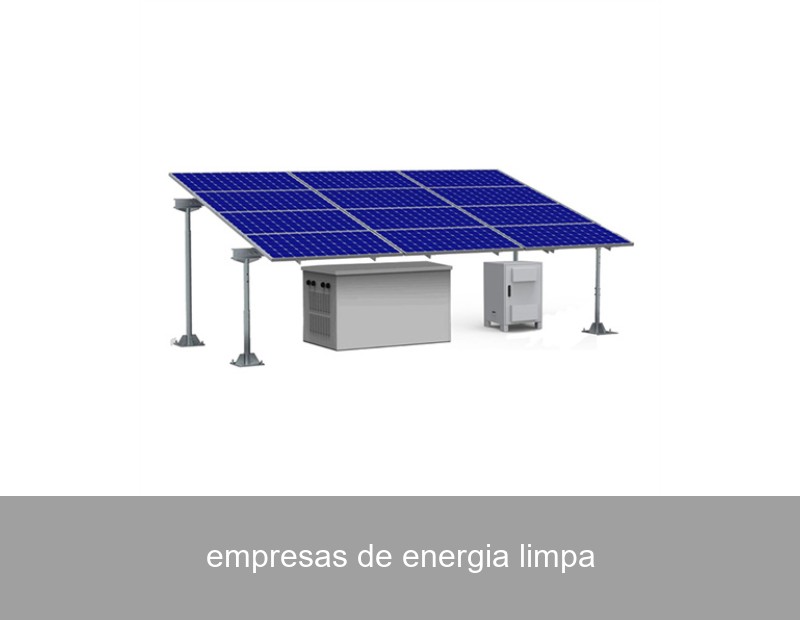
For forward-thinking empresas de energia limpa (clean energy companies), the landscape has shifted. The initial challenge was generating renewable power. Today, the pivotal question is: how do you deliver that clean, solar or wind-generated electricity reliably, around the clock? The answer is increasingly found not just in panels and turbines, but in the sophisticated brains of advanced battery energy storage systems (BESS). These systems are transforming clean energy from an intermittent source into a firm, dispatchable asset, and they are at the heart of the next phase of the energy transition. For over 18 years, Highjoule has partnered with these innovators, providing the intelligent storage solutions that make clean energy projects not only viable but profoundly more valuable and resilient.
Table of Contents
- The Grid Reliability Puzzle: More Renewables, New Challenges
- The Data: Why Storage is No Longer Optional for Clean Energy
- Case Study: A California Solar Farm's 24/7 Transformation
- Intelligence Beyond the Battery: The Highjoule Difference
- Highjoule Services: Partnering from Concept to Long-Term Operation
The Grid Reliability Puzzle: More Renewables, New Challenges
a bright, windy afternoon. Solar and wind farms are producing at peak capacity, sometimes even more electricity than the local grid can instantly absorb. Now, fast-forward to early evening. The sun sets, demand spikes as people return home, but solar generation plummets. This "duck curve" phenomenon, first named in California, is now a reality in many European and US markets. It creates a massive ramp-up need that traditional power plants, often fossil-fueled, must meet quickly. This mismatch is the core challenge for empresas de energia limpa: their product is abundant but not always aligned with demand.
This volatility leads to curtailment (wasting clean energy), grid instability, and missed economic opportunities. The promise of truly replacing fossil fuels hinges on solving this synchronization problem. The market is responding decisively. According to the U.S. Energy Information Administration, large-scale battery storage capacity is projected to nearly double in the United States in 2024 alone. This isn't just growth; it's a fundamental restructuring of how we build power systems.

Image: Modern solar farms increasingly integrate battery storage to smooth output. Credit: Unsplash.
The Data: Why Storage is No Longer Optional for Clean Energy
Let's look at the numbers. A study by the National Renewable Energy Laboratory (NREL) found that adding storage to a solar PV project can increase its value by up to 30%, depending on market structure. This value comes from multiple revenue streams:
- Arbitrage: Buying/store energy when prices are low (midday solar peak) and selling when prices are high (evening peak).
- Frequency Regulation: Providing millisecond-response services to stabilize grid frequency—a service batteries excel at.
- Capacity Firming: Guaranteeing a certain power output, transforming variable solar/wind into a "firm" resource for power purchase agreements (PPAs).
- Deferring Grid Upgrades: Storing local renewable energy to reduce peak demand charges for commercial & industrial (C&I) users.
For a clean energy company, this isn't just about technology; it's about business model evolution. A solar project without storage is leaving significant value—and grid services—on the table. It's like having a top-tier factory that can only ship products at random times.
Case Study: A California Solar Farm's 24/7 Transformation
Consider the real-world example of a 50 MW solar farm in California's Central Valley. Despite high irradiation, the project faced two issues: frequent evening curtailment due to grid congestion and a PPA that valued only energy, not capacity.
The Solution: The developer, a forward-looking empresa de energia limpa, partnered with Highjoule to integrate a 20 MW / 80 MWh battery energy storage system using Highjoule's H-Series commercial storage solution. This system features our proprietary energy management system (EMS) that autonomously decides when to charge, when to discharge, and which grid service to prioritize for maximum revenue.
| Metric | Before Highjoule BESS | After Highjoule BESS Integration |
|---|---|---|
| Curtailment Rate | ~18% of potential generation | Reduced to under 2% |
| Revenue Streams | 1 (Energy PPA only) | 3 (PPA + Arbitrage + Frequency Regulation) |
| Projected Annual Revenue Increase | Baseline | +$2.1 million |
| Grid Service Provided | None | Stabilizing 40,000+ homes' evening power |
The Highjoule system didn't just capture lost energy; it created a new, more resilient asset. During a regional heatwave, while other generators were strained, this solar-plus-storage facility reliably discharged during peak demand, demonstrating the critical role intelligent storage plays in grid reliability. This case mirrors trends in Europe, where grid operators like National Grid ESO are actively creating markets for these fast-response services.
Intelligence Beyond the Battery: The Highjoule Difference
At Highjoule, we understand that a BESS is more than just battery racks. It's an integrated ecosystem where power conversion, thermal management, safety, and—most critically—intelligence must work in perfect harmony. Our products are designed with this holistic view:
- H-Series (Commercial & Industrial): Scalable, all-in-one solutions from 100 kW to multi-MW configurations. They feature advanced lithium-iron-phosphate (LFP) chemistry for safety and longevity, and our AI-driven EMS for optimal economic dispatch.
- M-Series (Microgrid & Utility-Scale): Containerized, utility-grade systems for the most demanding applications. They are engineered for high cycle life and seamless integration with renewable generation and grid control systems.
- Nexus Energy Management Platform: The true brain of the operation. This cloud-based platform enables remote monitoring, fleet optimization, and predictive maintenance, turning a distributed network of assets into a virtual power plant (VPP).
For an empresa de energia limpa, this means you're not just buying hardware; you're gaining a partner that ensures your storage asset performs optimally for its entire 15-20 year lifespan, adapting to evolving market rules.

Image: Intelligent control systems are key to maximizing storage value. Credit: Unsplash.
Highjoule Services: Partnering from Concept to Long-Term Operation
Our commitment extends far beyond the factory gate. We provide comprehensive lifecycle support because we know successful deployment is key to your success.
- Feasibility & Design: Our experts help model project economics, select optimal technology, and navigate local interconnection and regulatory requirements in both the US and EU markets.
- Project Management & Integration: We oversee installation, commissioning, and seamless integration with your existing renewable assets, ensuring a single point of accountability.
- Long-Term Performance Guarantee & O&M: We offer industry-leading warranties and optional operations and maintenance packages, leveraging our Nexus platform to predict issues before they occur, maximizing uptime and return on investment.
This end-to-end approach de-risks adoption for empresas de energia limpa, allowing you to focus on your core business: delivering clean, reliable power to your customers.
What Does the Future Hold for Integrated Clean Energy?
The trajectory is clear. The International Energy Agency (IEA) states that energy storage is essential to secure electricity supply in grids with high shares of renewables. The future belongs not to standalone solar or wind farms, but to integrated, smartly managed renewable-plus-storage power plants and microgrids. These systems will form the backbone of a decentralized, resilient, and truly clean grid.
As regulations evolve—like the EU's Green Deal and the Inflation Reduction Act in the US—the economic and regulatory tailwinds for storage are stronger than ever. The question for every empresa de energia limpa is no longer *if* to adopt storage, but *how* and *with whom*.
So, we leave you with this: As you plan your next project or look to optimize your existing portfolio, what specific grid challenge or revenue opportunity could an intelligent storage partnership unlock for you today?
 Inquiry
 Online Chat