


Energy Conservation and Storage: The Cornerstone of a Sustainable Energy Future
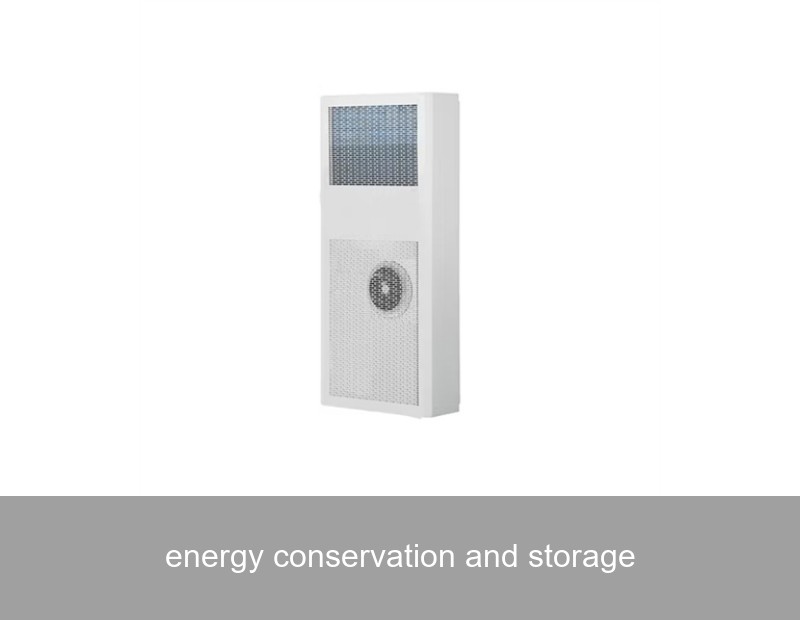
Let's talk about a quiet revolution happening in how we power our world. It's not just about generating more clean energy; it's about mastering the energy conservation and storage equation. Think of it this way: renewable energy like solar and wind are fantastic, but they're intermittent. The sun doesn't always shine, and the wind doesn't always blow. This fundamental challenge is why the intelligent pairing of energy conservation (using less) with advanced storage (saving surplus) has become the critical linchpin for grid stability, energy independence, and achieving true sustainability. For businesses, communities, and homeowners, this isn't just a technical concept—it's the key to unlocking predictable energy costs and resilience.
Table of Contents
- The Modern Energy Dilemma: Abundance vs. Availability
- The Numbers Don't Lie: The Growing Imperative for Storage
- The Synergy: How Conservation and Storage Work Hand-in-Hand
- Highjoule's Intelligent Approach to Integrated Energy Management
- Real-World Impact: A German Manufacturing Case Study
- The Future is Adaptive: What's Next for Energy Systems?
The Modern Energy Dilemma: Abundance vs. Availability
We're generating more renewable electricity than ever before. In 2023, renewables like solar and wind made up a record portion of the global power mix. Yet, grid operators still face the "duck curve" phenomenon—a steep drop in net demand during sunny afternoons when solar floods the grid, followed by a sharp evening ramp-up as the sun sets and demand peaks. This mismatch creates volatility, can lead to curtailment (wasting clean energy), and forces reliance on fossil-fuel peaker plants. The core issue is temporal misalignment. Energy conservation and storage directly addresses this by shifting consumption patterns and banking excess generation for when it's truly needed.

Image Source: Unsplash - A large-scale solar farm, representing abundant but intermittent renewable generation.
The Numbers Don't Lie: The Growing Imperative for Storage
The data underscores a massive shift. According to the U.S. Energy Information Administration (EIA), U.S. battery storage capacity is projected to nearly double in 2024 alone[1]. In Europe, the European Association for Storage of Energy (EASE) estimates that to meet the EU's 2030 climate targets, energy storage deployment needs to grow from around 60 GW in 2022 to 200 GW[2]. This isn't just about capacity; it's about economics. The levelized cost of storage (LCOS) has fallen dramatically, making projects financially viable. For a commercial entity, the equation now balances on avoiding peak demand charges, participating in grid services, and ensuring operational continuity during outages.
The Synergy: How Conservation and Storage Work Hand-in-Hand
True efficiency isn't choosing one over the other; it's integrating both. Here’s the logical progression:
- Step 1: Conservation & Efficiency: This is the first and most cost-effective step. It involves auditing energy use, upgrading to LED lighting, optimizing HVAC schedules, and installing high-efficiency machinery. It reduces the total energy load.
- Step 2: On-Site Generation: Adding rooftop solar PV or wind turbines creates a local, clean energy source, further reducing grid dependence.
- Step 3: Intelligent Storage: This is where the magic happens. A Battery Energy Storage System (BESS) captures the excess energy from Step 2 that isn't immediately used in Step 1. It then discharges that energy during periods of high cost or high demand, maximizing the value of every kilowatt-hour generated.
This integrated approach transforms a passive energy consumer into an active "prosumer," managing a flexible, resilient energy asset.
Highjoule's Intelligent Approach to Integrated Energy Management
This is where Highjoule's expertise, honed since 2005, becomes critical. We don't just sell batteries; we provide comprehensive energy conservation and storage solutions. Our systems are designed for synergy. For instance, our H-Series Commercial BESS features advanced lithium-iron-phosphate (LFP) battery chemistry for safety and longevity, coupled with our proprietary Energy Synapse AI Platform. This platform doesn't just manage battery charge/discharge; it analyzes your facility's consumption patterns (the conservation side), weather forecasts, and real-time electricity prices to make autonomous, profit-optimizing decisions.
For residential and smaller commercial applications, our EcoNode Home System integrates seamlessly with solar inverters, allowing homeowners to store solar surplus for nighttime use or during power outages, effectively raising their self-consumption rate to over 70%. Across all our products—from commercial and industrial to microgrid solutions—the principle is the same: intelligent control that unifies conservation efforts with storage capability to deliver maximum financial and operational resilience.

Image Source: Unsplash - Representative image of a modern battery storage system in an industrial context.
Real-World Impact: A German Manufacturing Case Study
Let's look at a concrete example from Bavaria, Germany. A mid-sized automotive parts manufacturer faced steep Netzentgelte (grid fees) and rising energy costs. Their existing rooftop solar system covered about 30% of their daytime load, but surplus energy at noon was being fed back to the grid at low feed-in tariffs, while they drew expensive power during morning and evening peaks.
The Solution: Highjoule deployed a 500 kWh / 250 kW H-Series BESS, integrated with their solar PV and connected to the Energy Synapse Platform. The system was programmed for peak shaving, solar self-consumption optimization, and participation in the German primary control reserve market.
The Data-Driven Results (after 12 months):
| Metric | Before Highjoule BESS | After Highjoule BESS |
|---|---|---|
| Grid Peak Demand | 450 kW | 280 kW |
| Solar Self-Consumption | 30% | 85% |
| Annual Energy Cost Savings | Baseline | €68,000 |
| Additional Revenue (Grid Services) | €0 | €15,000 |
This case demonstrates the powerful financial logic of integrated energy conservation and storage. The system paid for itself in under 5 years while significantly boosting the plant's green credentials and providing backup power capabilities.
The Future is Adaptive: What's Next for Energy Systems?
The evolution is towards even greater intelligence and grid interactivity. We're moving into the era of virtual power plants (VPPs), where thousands of distributed assets like Highjoule systems can be aggregated to act as a single, flexible power plant, providing critical services to the main grid. This turns every installation into a part of a larger stability solution. Furthermore, advancements in second-life batteries for stationary storage and new chemistries promise to further improve sustainability and cost curves.
The journey towards a decarbonized future is unequivocally built on the twin pillars of energy conservation and storage. It's the most pragmatic path to energy security and cost control.
Is your organization merely reacting to your monthly utility bill, or are you ready to actively manage your energy as a strategic asset? What would a 30% reduction in your annual energy costs and increased operational resilience mean for your business?
 Inquiry
 Online Chat