


Your Ultimate Guide to the Solar Electric Generator: Powering Independence
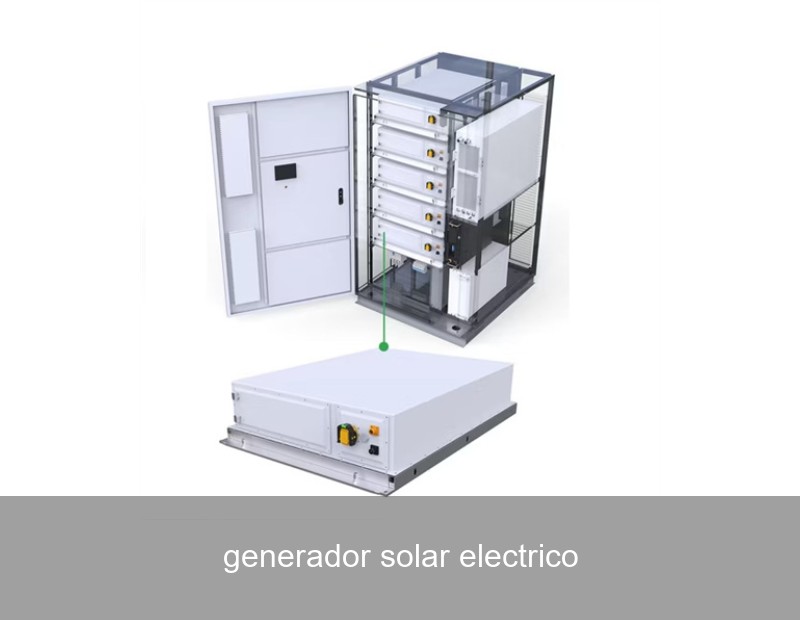
Imagine a power source that hums quietly on your rooftop or in your backyard, fueled by sunlight, immune to grid outages, and silently cutting your energy bills month after month. This isn't science fiction; it's the reality of the modern solar electric generator. Far from the small, portable power stations for camping, today's integrated solar generator systems are sophisticated, permanent energy solutions for homes and businesses. For homeowners in California facing PSOS shutoffs, farmers in rural Texas, or businesses across Europe grappling with volatile energy prices, the question is no longer if to switch to solar, but how to do it most effectively. This guide will illuminate the path to true energy independence.
Image Source: Unsplash (Photographer: Vivint Solar)
What is a Solar Electric Generator?
Let's clear up the terminology. A solar electric generator is not a single device. It's a system—an ecosystem of components working in harmony. At its heart, it captures solar energy, converts it into usable electricity, and often stores it for when you need it most: at night, during outages, or during peak rate periods. Think of it as your personal, renewable power plant.
Beyond the Basics: The Core Components of a Modern System
A robust, whole-home solar generator system consists of three key technological pillars:
- Solar Panels (The Fuel Source): High-efficiency photovoltaic modules convert sunlight into direct current (DC) electricity. The quality and arrangement of these panels determine your system's total fuel production.
- Solar Inverter (The Brain & Converter): This is the critical hub. It converts the DC electricity from your panels into the alternating current (AC) that powers your appliances. Modern hybrid inverters do much more, managing energy flow between panels, batteries, and the grid.
- Battery Storage (The Energy Bank): This is the component that transforms a simple solar array into a true 24/7 generator. Instead of sending excess solar energy back to the grid, you store it in a high-capacity battery system for self-use. This is where companies like Highjoule excel, providing advanced battery energy storage systems (BESS) that are the cornerstone of reliability.
| Feature | Diesel/Gas Generator | Integrated Solar + Storage System |
|---|---|---|
| Fuel Source | Fossil Fuels (purchased) | Sunlight (free) |
| Operating Cost | High (ongoing fuel & maintenance) | Very Low (minimal maintenance) |
| Operation | Noisy, emits fumes | Silent, zero emissions |
| Runtime | Limited by fuel supply | Potentially unlimited with sun cycles |
| Grid Independence | Backup only | Primary power with backup |
Why Now? The Compelling Data Driving the Shift
The move to solar generators is driven by a powerful convergence of economics and necessity. According to the U.S. Energy Information Administration (EIA), electricity prices for U.S. homeowners have risen significantly over the past decade. Meanwhile, the cost of solar panels has plummeted by over 80% in the same period. This creates a powerful financial incentive. But beyond savings, resilience has become paramount. In 2021, the average U.S. customer experienced over 7 hours of power interruptions. For businesses, even minutes of downtime can mean massive losses.
From Theory to Reality: A Case Study in Resilience
Consider a mid-sized organic dairy farm in Bavaria, Germany. Facing increasing grid instability and seeking to reduce its carbon footprint, the farm installed a 250 kW solar array coupled with a 500 kWh Highjoule Horizon commercial battery system. The results within the first year were transformative:
- Energy Self-Sufficiency: The system meets 85% of the farm's annual electricity demand, including the energy-intensive cooling and milking processes.
- Outage Protection: During a severe winter storm that caused a 12-hour regional blackout, the Highjoule system seamlessly took over, keeping milking operations, refrigeration, and essential systems running without interruption. This prevented spoilage of thousands of liters of milk and avoided significant financial loss.
- Cost Savings: By storing excess solar energy and strategically avoiding peak grid tariffs, the farm reduced its net energy costs by over 60%.
This case isn't an outlier; it's a blueprint for how modern agriculture and industry can achieve operational and financial resilience.
Choosing the Right System for Your Needs
Not all solar generator systems are created equal. Your system should be tailored to your specific energy profile. Key considerations include:
- Energy Consumption: Analyze your past utility bills to understand your daily and seasonal usage patterns.
- Backup Goals: Do you need to power your entire home/business, or just critical loads (refrigeration, lights, internet)?
- Local Climate & Incentives: Solar production varies by location. Also, leverage available incentives like the U.S. federal Investment Tax Credit (ITC) or European Union renewable energy grants.
The Highjoule Approach: Intelligent Energy Independence
At Highjoule, with nearly two decades of experience since 2005, we view a solar electric generator as more than just hardware. It's an intelligent energy management platform. Our HiveMind™ Energy Operating System is what sets our systems apart. It doesn't just react; it predicts and optimizes.
For residential clients, our HomeHub series integrates seamlessly with your solar array. The HiveMind OS learns your family's habits, weather patterns, and utility rate schedules. It automatically decides when to draw from solar, when to store in the Highjoule battery, and when to pull from or send to the grid—maximizing your savings and comfort without you lifting a finger.
For commercial and industrial applications, our GridShield solutions provide scale and sophistication. They enable peak shaving (dramatically reducing demand charges), provide seamless backup power, and can even participate in grid services programs, turning your energy asset into a revenue stream. Our systems are designed for the rigorous demands of microgrids, ensuring communities and facilities can operate independently when necessary.

Image Source: Unsplash (Photographer: American Public Power Association)
The Future of Power is in Your Hands
The era of being a passive consumer at the mercy of the grid and fossil fuel prices is ending. The technology for clean, self-sufficient power is here, proven, and more accessible than ever. A modern solar electric generator system is a long-term investment in price stability, peace of mind, and planetary health.
What would the ability to power your most important assets—your home, your business, your critical infrastructure—on your own terms, for decades to come, be worth to you?
 Inquiry
 Online Chat