


Heavy Duty Steel Cabinet: The Unsung Hero of Modern Energy Storage
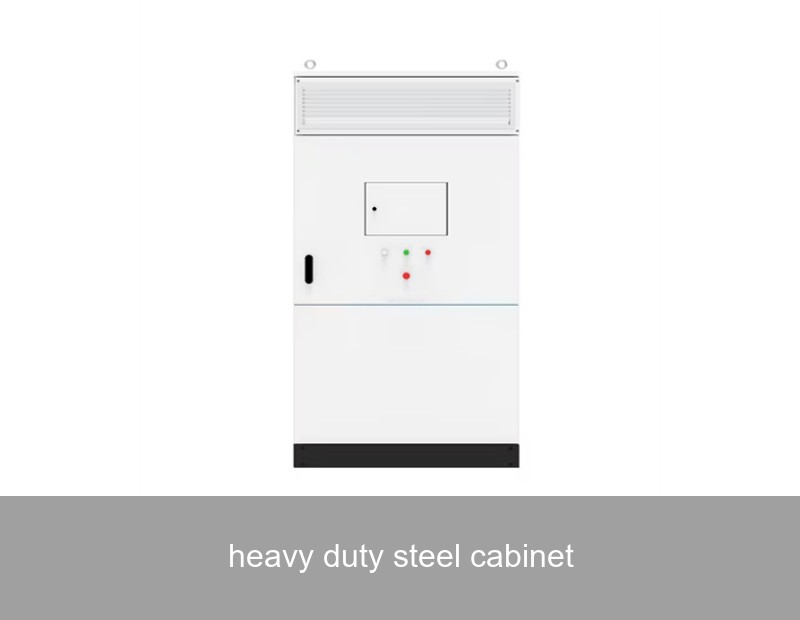
When you think about a cutting-edge battery energy storage system (BESS), what comes to mind? Likely the advanced lithium-ion cells, the smart inverter, or the sophisticated energy management software. But there's a critical, robust component that forms the very backbone of system safety, longevity, and performance: the heavy duty steel cabinet. Far more than just a metal box, this enclosure is the first and most vital line of defense for your energy investment, especially in demanding commercial, industrial, and utility-scale applications. Let's explore why this foundational element is so crucial and how it enables the reliable, safe storage of renewable power.
Table of Contents
- The Phenomenon: Why a Cabinet Matters More Than You Think
- The Data: Engineering for Extreme Conditions
- The Highjoule Approach: Engineered Protection for Critical Assets
- Case Study: A German Industrial Park's Resilience Upgrade
- Beyond the Enclosure: The Integrated System Advantage
- Future-Proofing Your Energy Assets
The Phenomenon: Why a Cabinet Matters More Than You Think
Imagine installing a multi-megawatt battery system outdoors at a manufacturing plant. It's exposed to rain, snow, corrosive industrial fumes, potential physical impacts, and wide temperature swings. Now, imagine housing that system in a flimsy enclosure. The risk is clear. A heavy duty steel cabinet addresses these challenges head-on. It's the critical infrastructure that ensures the sensitive electronics and battery modules inside are protected from environmental, mechanical, and electrical hazards. This isn't just about durability; it's about ensuring continuous operation, safeguarding personnel, and protecting a significant financial asset over a 15-20 year lifespan.

For companies like Highjoule, with nearly two decades of experience deploying systems across Europe and North America, the enclosure is the first component engineered. Our philosophy is simple: the highest-performance battery is only as good as the house it lives in.
The Data: Engineering for Extreme Conditions
So, what defines a true "heavy-duty" cabinet? It's a combination of material science, structural design, and rigorous testing standards. Let's break down the key specifications:
| Feature | Standard Requirement | Highjoule's Typical Specification | Purpose & Benefit |
|---|---|---|---|
| Material & Construction | Galvanized steel | Hot-dip galvanized, powder-coated structural steel (≥2mm thickness) | Maximum corrosion resistance (Rust-proof), structural integrity for stacking/multi-unit setups. |
| Ingress Protection (IP Rating) | IP54 (Dust & water splashes) | IP55 or higher (e.g., NEMA 3R/4 equivalent) | Protection against low-pressure water jets and dust ingress, suitable for harsh outdoor installation. |
| Thermal Management | Passive ventilation | Integrated, scalable HVAC system with fire-rated penetrations | Maintains optimal battery temperature (15-25°C), extends cycle life, ensures safety. |
| Safety & Compliance | Basic lockable door | Tamper-proof locks, internal fire suppression ports, seismic-braced design options | Prevents unauthorized access, allows integration with site fire systems, meets regional building codes. |
These aren't just "nice-to-haves." For example, the UL and IEC standards provide frameworks for safety testing, but real-world conditions often demand going beyond the baseline. A cabinet's ability to withstand a corrosive coastal environment or a heavy snow load is proven through accelerated life testing, not just paper specifications.
The Highjoule Approach: Engineered Protection for Critical Assets
At Highjoule, our H-Series Industrial ESS platform is built around a proprietary, modular heavy-duty steel cabinet design. Born from our experience since 2005 in diverse global markets, this design philosophy focuses on three pillars:
- Modular Scalability: Each cabinet is a self-contained unit housing batteries, power conversion, and cooling. This allows projects to scale from 100 kWh to 10+ MWh seamlessly, like building blocks. The steel frame is engineered for secure stacking and side-by-side placement.
- Proactive Environmental Defense: We don't just seal the box. Our cabinets feature positive pressure filtration systems to keep particulate matter out, and our HVAC is sized for the worst-case ambient temperatures recorded in the project's region—be it the Arizona desert or the Norwegian coast.
- Serviceability & Safety: Large, full-height access doors with robust hinges allow technicians easy, safe access to all components. Critical safety disconnects and fire system interfaces are mounted externally as standard, enabling quick emergency response.
This integrated approach transforms the cabinet from a passive container into an active, intelligent part of the energy storage system itself.
Case Study: A German Industrial Park's Resilience Upgrade
Let's look at a real-world application. A large automotive parts supplier in Bavaria, Germany, faced two challenges: increasing energy costs and the need for uninterrupted power for sensitive robotic assembly lines. Their site also experienced cold, snowy winters and humid summers.
The Solution: Highjoule deployed a 1.2 MWh/600 kW battery storage system using eight of our H-Series cabinets. The key requirements for the cabinet were:
- Withstand temperatures from -15°C to 35°C.
- Resist corrosion from de-icing salts used on nearby roads.
- Integrate directly with the site's existing fire alarm and building management system (BMS).
The Outcome: The heavy-duty, powder-coated steel cabinets were installed on an outdoor concrete pad. Over two years of operation:
- The system has achieved 99.8% uptime, with no faults attributed to environmental factors.
- By performing peak shaving and frequency regulation, the plant has reduced its annual energy costs by approximately €85,000.
- During two brief grid disturbances, the system provided seamless backup power, preventing an estimated €200,000 in production line stoppage losses.
The plant manager noted, "We needed a 'set-and-forget' system that could handle our climate. The robustness of the installation gave us confidence from day one." This case underscores that the value of a rugged enclosure is measured not just in durability, but in financial resilience and operational continuity.
Beyond the Enclosure: The Integrated System Advantage
Choosing a storage solution with a properly engineered heavy duty steel cabinet is a sign of a vendor's commitment to total system quality. It reflects an understanding that long-term performance depends on the harmony of all components. Highjoule's cabinets are designed in tandem with our battery modules and power electronics. This means:
- Optimized Airflow: Ducting and vent paths are designed for minimal fan energy use and even temperature distribution across all cells.
- Streamlined Wiring: Integrated cable trays and secure entry glands reduce installation time and ensure reliable, code-compliant electrical connections.
- Future-Proof Design: The cabinet's internal layout allows for potential technology upgrades, protecting your investment as battery chemistry evolves.
Future-Proofing Your Energy Assets
As renewable penetration grows and grid services become more complex, energy storage systems are being asked to do more and last longer. The infrastructure that houses them must be ready for this future. A heavy duty steel cabinet is, therefore, a strategic asset. It's the durable shell that enables the sophisticated, software-driven energy flexibility within.
When evaluating storage providers, look beyond the battery datasheet. Ask about the enclosure's specifications, the warranty on its corrosion resistance, and the testing behind its thermal management claims. The answers will tell you a lot about the system's true lifespan and total cost of ownership.
Is your organization considering an energy storage project? What are the most extreme environmental or operational challenges your site would present to the physical hardware, and how are you planning to address them to ensure a 20-year return on investment?
 Inquiry
 Online Chat