


Home Power Solar: How Much Can You Really Save and Generate?
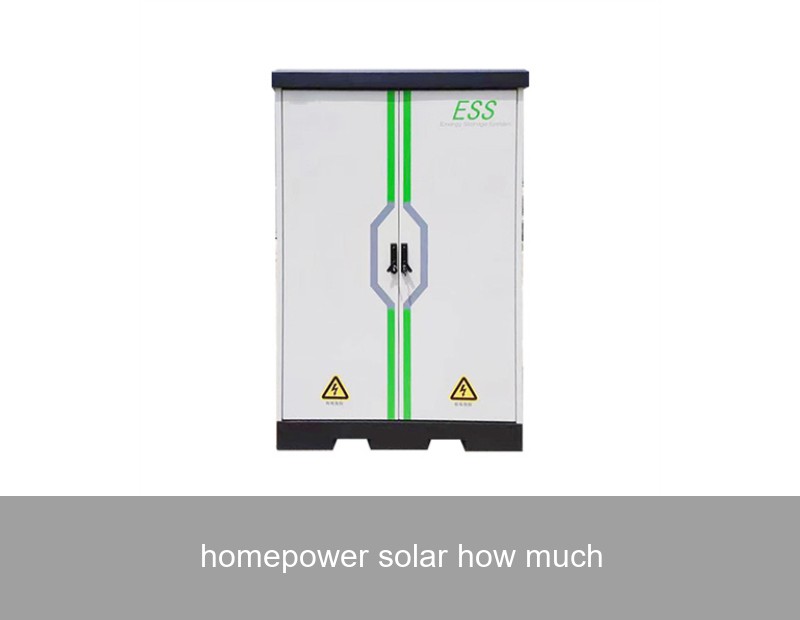
You've looked at your rising electricity bill, glanced at your sunny roof, and asked the question on millions of homeowners' minds: home power solar, how much is it actually worth? It's not just about the panels; it's about energy independence, predictable costs, and a tangible step towards sustainability. But the numbers matter. Let's cut through the noise and explore the real costs, savings, and potential of powering your home with the sun, and how pairing it with smart storage is the true game-changer.
Table of Contents
The Rising Cost Phenomenon
The trend is universal, from California to Cologne. Grid electricity prices are on a steady climb, driven by volatile fossil fuel markets and grid modernization costs. According to the U.S. Energy Information Administration (EIA), U.S. residential electricity prices have increased significantly over the past decade. This volatility makes household budgeting a challenge. Solar power presents a compelling alternative: instead of paying a variable bill, you invest in a fixed-price asset—your personal power plant.
Image Source: Unsplash - A modern home harnessing solar energy.
Breaking Down the "How Much": Costs & Savings
So, home power solar, how much does it cost upfront? And how much does it save? Let's demystify the economics.
Upfront Investment (The Cost)
The total system cost depends on your location, energy needs, and equipment quality. On average, a typical residential system in the U.S. ranges between $15,000 and $25,000 before incentives. Crucially, federal tax credits (like the 30% ITC in the U.S.) and local rebates can reduce this net cost by a third or more. Think of it not as an expense, but as prepaying for 25+ years of electricity at a locked-in rate.
Long-Term Return (The Savings)
Savings are calculated by offsetting your grid purchases. A well-sized system can cover 70-100% of your annual usage. Key factors include:
- Your Local Sun Exposure: A home in Phoenix will generate more kilowatt-hours (kWh) than one in Seattle with the same system.
- Current Electricity Rates: The higher your local utility rate, the faster your payback period.
- Net Metering Policies: This dictates what credit you get for excess solar energy sent back to the grid. Policies are evolving, which is where storage becomes critical.
Over 25 years, total savings can easily exceed $30,000 for many households, effectively providing a strong return on investment while hedging against future energy price hikes.
The Storage Multiplier: Beyond Just Solar Panels
This is where the modern home energy system separates from the past. Solar panels only work when the sun shines. What about evenings, peak rate periods, or grid outages? This is the pivotal question that shifts the discussion from just solar to a comprehensive home power system.
Adding a battery energy storage system (BESS) like those from Highjoule transforms your solar array. It allows you to:
- Store Excess Daytime Energy: Use your solar power at night, maximizing self-consumption.
- Provide Backup Power: Keep your lights on and fridge running during grid failures.
- Avoid Peak Charges: In areas with time-of-use rates, use stored battery power during expensive peak hours.
When evaluating home power solar, how much storage you need is the next logical question. Highjoule's intelligent systems, such as the Highjoule HES Series for residential use, are modular and scalable. Our smart energy management software automatically optimizes when to charge from solar, when to discharge to your home, and when to interact with the grid, ensuring you get the maximum financial and practical benefit from every watt you generate.
A Real Case Study: The Johnson Family in Arizona
Let's look at real data. The Johnson family in suburban Phoenix installed a 9.6 kW solar PV system coupled with a Highjoule HES-10 battery (10 kWh usable capacity) in early 2022.
- Pre-Installation: Average monthly bill: $220 (with high summer peaks over $450).
- System Cost: Net cost after federal tax credit: ~$24,000 for solar + storage.
- Post-Installation: Their average monthly grid bill dropped to a $12 basic service fee for 10 months of the year. In peak summer, they spend about $30-40.
- Total Annual Savings: Approximately $2,400.
- Added Value: During a 5-hour grid outage in July 2023, their home seamlessly transitioned to battery power, maintaining air conditioning, refrigeration, and all essentials—a priceless benefit in the Arizona heat.
Their simple payback period is projected at just under 10 years, with decades of nearly free power thereafter. More importantly, they have peace of mind and total control over their energy use.

Image Source: Unsplash - A sleek, wall-mounted home battery storage unit.
Highjoule: Your Intelligent Power Partner
Since 2005, Highjoule has been at the forefront of advanced energy storage technology. We understand that the question "home power solar, how much" is deeply personal. Our solutions are designed to provide clear, optimized answers.
For homeowners, our Residential Energy Storage portfolio goes beyond hardware. We offer:
- Highjoule HES Series: Scalable, wall-mounted lithium iron phosphate (LFP) battery systems known for safety, longevity, and seamless integration with leading solar inverters.
- Smart Energy Hub: Our proprietary platform that intelligently manages energy flows between solar, battery, home, and grid, maximizing savings and resilience based on your preferences and utility rates.
- Professional Design & Support: A global network of certified installers who can provide a precise assessment of your home's potential and a transparent projection of costs and savings.
We don't just sell batteries; we deliver a comprehensive home power strategy that makes energy independence reliable, efficient, and sustainable.
| Home Profile | System Size (Solar) | Storage Added | Key Benefit | Estimated % of Grid Independence* |
|---|---|---|---|---|
| Moderate Use, Net Metering | 7 kW | None | Bill Reduction | 60-80% |
| High Use, Time-of-Use Rates | 10 kW | Highjoule HES-10 | Peak Shaving & Backup | 85-95% |
| Full Energy Security | 12 kW | Highjoule HES-20 | Extended Backup & Max Self-Consumption | ~100% (Seasonally) |
*Varies significantly with location, consumption, and weather. A Highjoule partner can provide a precise model.
Your Home Energy Audit: Key Questions
To move from a general concept to your specific answer for "home power solar, how much," start by asking yourself and potential providers these questions:
- What was my total electricity consumption (in kWh) over the past 12 months? (Check your bills.)
- What are my local utility's rate structure and net metering policy? Is there a time-of-use schedule?
- What are my primary goals: maximum bill savings, backup power, environmental impact, or all of the above?
- Does the provider offer an integrated system with intelligent management, like Highjoule's solutions, rather than just disparate components?
- What is the total warranted performance of the system over 10, 15, and 25 years?
Ready to transform your roof and your energy bill? The journey to understanding your home's true solar and storage potential begins with a conversation. What's the first question you'll ask when you contact a solar and storage expert about your home's potential?
 Inquiry
 Online Chat