


How Much Energy Does Dubai Consume and How Is It Powering Its Future?
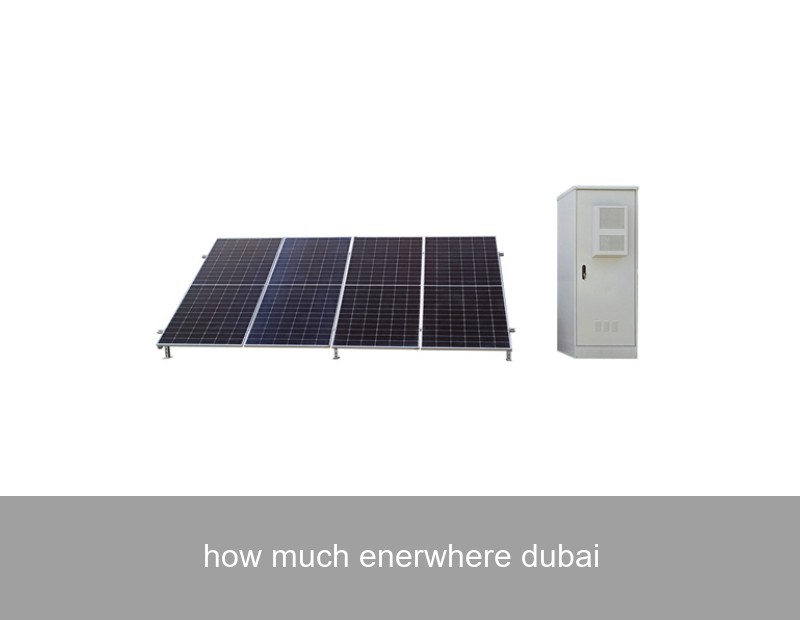
When we think of Dubai, images of towering skyscrapers, vast air-conditioned malls, and ambitious mega-projects come to mind. This relentless growth is powered by one critical resource: energy. The question "how much energy does Dubai consume?" opens a window into one of the world's most fascinating energy landscapes. With some of the highest per capita electricity consumption globally, driven by extreme cooling needs and a booming economy, Dubai faces a unique challenge. But its answer is shaping the future of urban energy. The emirate is not just consuming; it's pioneering a bold transition, turning its abundant sunshine into a strategic asset through solar power and cutting-edge energy storage. Let's explore the data, the projects, and the technologies like those from Highjoule that are making this sustainable vision a reality.
Table of Contents
- Dubai's Energy Appetite: The Scale of Demand
- The Solar Ambition: From Fossil Fuels to Sunlight
- The Missing Piece: Why Energy Storage is Non-Negotiable
- Case Study: The Al Maktoum Solar Park & The Storage Imperative
- Powering Progress: Smart Solutions for Dubai's Grid
- Beyond the Utility: Energy Independence for Businesses and Homes
- What Does the Future of Urban Energy Look Like?
Dubai's Energy Appetite: The Scale of Demand
Dubai's energy story is one of superlatives. According to Dubai's Supreme Council of Energy, the emirate's peak electricity demand has soared past 10 GW, with annual consumption exceeding 50,000 GWh. To put that into perspective, that's enough to power over 5 million average European homes for a year. The drivers are clear: a desert climate requiring 24/7 cooling for over 70% of the year, energy-intensive industries like aluminum and water desalination, and a thriving tourism and commercial sector. For decades, this demand was met almost exclusively by natural gas, exposing the grid to fuel price volatility and carbon emissions.

This reliance created a pressing need for diversification, energy security, and sustainability—goals now enshrined in the Dubai Clean Energy Strategy 2050. The target is audacious: 75% of Dubai's total power capacity from clean energy sources by 2050. Achieving this isn't just about building solar panels; it's about re-engineering the entire grid's logic.
The Solar Ambition: From Fossil Fuels to Sunlight
Dubai is blessed with one of the world's highest solar irradiances, receiving over 5.5 kWh/m² per day on average. Harnessing this has moved from experiment to centerpiece. The Mohammed bin Rashid Al Maktoum Solar Park is the flagship project, aiming for a colossal 5 GW capacity by 2030. It already features vast arrays of photovoltaic (PV) panels and the region's first concentrated solar power (CSP) tower, which can store heat to generate electricity after sunset.
This solar boom is a textbook example of the "duck curve" phenomenon. Solar generation peaks during midday, often creating a surplus, while demand skyrockets in the evening when the sun sets but air conditioners and lights stay on. This creates a steep ramp-up requirement for other power plants. Without a solution, this mismatch can lead to grid instability and curtailment of precious solar energy—essentially wasting sunlight.
The Missing Piece: Why Energy Storage is Non-Negotiable
This is where the question "how much energy does Dubai consume?" meets its critical answer: it's not just about generation, it's about intelligent management. Energy storage systems (ESS) are the indispensable buffer that bridges the gap between solar production and consumption patterns. They perform three vital functions:
- Time-Shifting: Storing excess solar energy at noon and dispatching it at peak evening hours.
- Grid Stabilization: Providing instantaneous frequency regulation and voltage support to maintain grid reliability as solar influx fluctuates.
- Backup Power: Ensuring critical facilities remain operational during any grid disturbances.
For a city like Dubai, storage isn't a luxury; it's the key to unlocking the full potential of its solar investment and ensuring a stable, clean grid.
Case Study: The Al Maktoum Solar Park & The Storage Imperative
The fourth phase of the Al Maktoum Solar Park perfectly illustrates this integration. It combines 950 MW of PV with 600 MW of CSP and a 250 MWh battery energy storage system (BESS). This BESS is one of the largest of its kind in the region. During a typical day, the BESS absorbs midday solar oversupply. In the evening, it can discharge that stored energy, helping to meet the 6 PM - 10 PM peak demand surge. Early operational data suggests this integration reduces the need for quick-start gas turbines, cutting fuel costs and CO₂ emissions by significant margins. It's a concrete model of how storage transforms intermittent renewable energy into a firm, dispatchable power source.

Powering Progress: Smart Solutions for Dubai's Grid
Implementing storage at scale requires robust, intelligent technology. This is where global expertise from companies like Highjoule becomes pivotal. With nearly two decades of experience, Highjoule specializes in advanced battery energy storage systems (BESS) designed for harsh environments and high-performance demands. For a utility-scale application like supporting Dubai's grid, Highjoule's containerized Megapod BESS solutions offer a compelling fit.
These systems are built with high-cycle life lithium-ion batteries, sophisticated thermal management to cope with desert heat, and an integrated Energy Management System (EMS) that intelligently arbitrates energy based on grid signals. The EMS is the brain, ensuring every stored kilowatt-hour is used where and when it delivers maximum economic and grid-stability value. Highjoule's technology helps grid operators not just add storage, but optimize the entire generation portfolio, making the clean energy transition smoother and more reliable.
| Source | Advantage for Dubai | Challenge | Role of Storage |
|---|---|---|---|
| Natural Gas | Reliable, dispatchable | Carbon emissions, price volatility | Reduces reliance for peak shaving |
| Utility-Scale Solar (PV) | Abundant, low operational cost | Intermittent, non-dispatchable after sunset | Critical for time-shifting and evening power |
| Concentrated Solar Power (CSP) | Built-in thermal storage | Higher capital cost | Complementary to BESS for longer duration |
| Battery Energy Storage (BESS) | Fast response, precise control | Upfront investment | Enables higher solar penetration & grid stability |
Beyond the Utility: Energy Independence for Businesses and Homes
The storage revolution isn't confined to massive solar parks. Dubai's commercial and industrial (C&I) sector, with its shopping centers, data centers, and manufacturing plants, faces high demand charges and a need for uninterrupted power. Similarly, luxury villas and compounds have significant cooling loads. Here, distributed energy storage creates value.
A hotel, for instance, can install a rooftop solar array paired with a Highjoule Commercio BESS. The system stores cheap solar power to use during expensive peak tariff periods, slashing electricity bills. It also provides seamless backup power, protecting guest experience and operational continuity. For homeowners, Highjoule's Residenza home storage systems allow them to maximize self-consumption of rooftop solar, achieve greater energy independence, and contribute to a decentralized, resilient grid. These solutions embody the democratization of energy, putting control and savings directly in the hands of consumers.
What Does the Future of Urban Energy Look Like?
Dubai's journey from asking "how much energy do we consume?" to "how intelligently can we manage and store it?" is a blueprint for sun-belt cities worldwide, from the Middle East to the southwestern United States and Southern Europe. The integration of mega-solar with advanced storage is proving that a high-renewable future is not only possible but also economically and technically viable.
The next frontier is the creation of virtual power plants (VPPs), where thousands of distributed storage systems—from homes to businesses—are aggregated and coordinated to act as a single, flexible resource for the grid. Imagine a network of Highjoule systems across Dubai, their collective capacity used to support the grid during critical peaks, all while providing financial returns to their owners. This is the promise of a truly smart, participatory energy ecosystem.

So, as you look at your own energy bills or consider the resilience of your community's power supply, we leave you with this: If a city born from oil can redefine itself through the sun and silicon, what's possible for your home, business, or city with the right storage technology?
 Inquiry
 Online Chat