


Understanding Invergy Hybrid BESS Price: A Smart Investment for Energy Independence
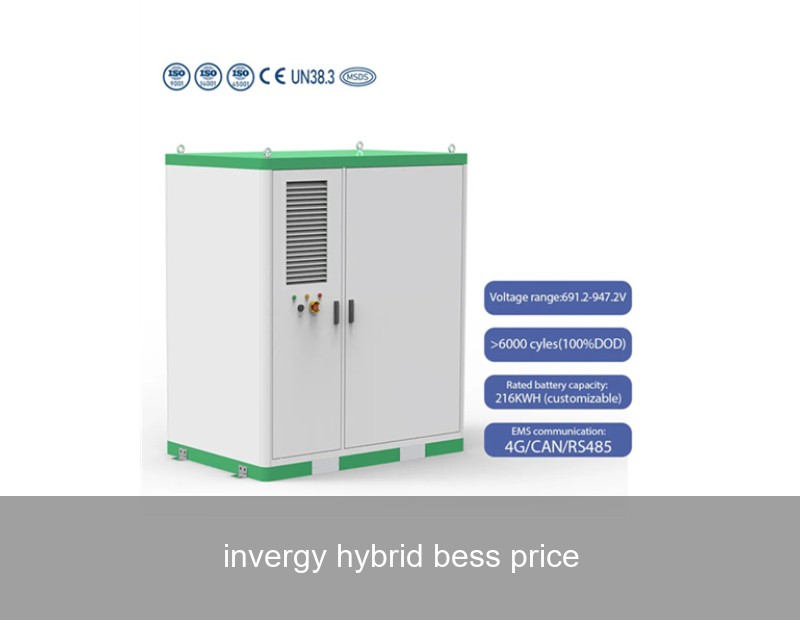
If you're exploring energy storage solutions, you've likely encountered the term "hybrid BESS" and a key question immediately follows: what determines the Invergy hybrid BESS price? It's a crucial starting point, but focusing solely on the initial sticker price can be misleading. The true value of a Hybrid Battery Energy Storage System (BESS) lies not just in its cost, but in its ability to transform your energy consumption, protect you from volatile utility rates, and provide resilient backup power. As a leading provider since 2005, Highjoule understands that the price is an entry point to a deeper conversation about long-term savings, system intelligence, and sustainability. Let's demystify the factors behind the investment and explore how a system like the Highjoule Invergy series delivers value far beyond its price tag.
Table of Contents
- Key Factors Influencing Hybrid BESS Price
- Looking Beyond the Sticker Price: Total Cost of Ownership
- The Highjoule Invergy Series: Where Price Meets Performance
- Making the Right Investment Decision
Key Factors Influencing Hybrid BESS Price
Think of a hybrid BESS as a sophisticated energy manager for your home or business. Its price isn't a single number but a sum of interconnected components and capabilities. A hybrid system uniquely combines solar inversion and battery storage in one integrated unit, allowing you to store solar energy and draw from the grid intelligently. Here’s what shapes the final figure:
- Battery Capacity & Chemistry: Measured in kilowatt-hours (kWh), this is your "energy bank." Larger capacities command higher prices. The chemistry, typically Lithium Iron Phosphate (LFP) in modern systems, offers a superior lifecycle and safety profile, impacting cost.
- Power Rating (kW): This determines how much power the system can deliver at once. A higher power rating is needed for homes with heavy-duty appliances or commercial sites, increasing the price.
- System Intelligence & Software: The brain of the operation. Advanced energy management software that learns your patterns, integrates with smart grids, and optimizes for time-of-use tariffs adds value and cost.
- Scalability & Future-Proofing: Can you add more batteries later? Modular systems might have a higher initial entry point but offer a more adaptable and cost-effective long-term path.
- Installation & Integration Complexity: Site-specific electrical work, existing solar upgrades, and permitting fees vary greatly by location, especially between different U.S. states and European countries.

Credit: Unsplash - Photon. Modern, modular battery systems allow for scalable capacity.
Looking Beyond the Sticker Price: Total Cost of Ownership
The initial purchase price is just one part of the financial picture. A savvy buyer evaluates the Total Cost of Ownership (TCO), which includes savings and earnings over the system's 15-20 year lifespan.
| Cost Factor | Description | Financial Impact |
|---|---|---|
| Energy Bill Savings | Using stored solar or off-peak grid power to avoid peak utility rates. | Can reduce electricity bills by 60-90% depending on usage and local rates. |
| Grid Services & Incentives | Participating in demand response or virtual power plant programs. | Potential for direct revenue from your utility or aggregator. |
| Increased Self-Consumption | Using your own solar generation instead of exporting it at lower rates. | Maximizes return on existing solar PV investment. |
| Backup Power Value | Avoiding business downtime or personal inconvenience during outages. | Critical for businesses; provides peace of mind for homeowners. |
| Longevity & Warranty | High-quality systems with long warranties (e.g., 10+ years on battery) reduce replacement risk. | Lower lifetime maintenance and replacement costs. |
According to a U.S. Department of Energy study, pairing storage with solar is key to achieving high levels of decarbonization and grid flexibility. This synergy directly translates to greater individual economic resilience.
A Real-World Case: Commercial Savings in Bavaria
Let's move from theory to practice. A medium-sized dairy processing plant in Bavaria, Germany, faced two challenges: high electricity costs during operational hours and a need for uninterrupted power for refrigeration. In 2022, they installed a 120 kWh / 100 kW Highjoule Invergy Pro hybrid BESS, integrated with their existing rooftop solar.
- Problem: High grid consumption during expensive peak periods (8 am - 8 pm).
- Solution: The Invergy system's intelligent software was configured to ensure the facility ran primarily on solar and stored battery power during peak hours, drawing from the grid only during low-cost, off-peak times to recharge if necessary.
- Data & Results (First 12 Months):
- Peak grid consumption reduced by 82%.
- Overall electricity costs decreased by €18,500 annually.
- The system provided seamless backup during two brief grid outages, preventing spoilage of product.
- Projected payback period: 6.5 years, based on energy savings alone.
This case illustrates how the Invergy hybrid BESS price was effectively an upfront capital investment that converted a volatile operational expense (energy) into a controlled, depreciable asset with a clear ROI.
The Highjoule Invergy Series: Where Price Meets Performance
At Highjoule, we engineer our Invergy hybrid systems with the Total Cost of Ownership principle at their core. We believe a fair price should deliver uncompromising value, intelligence, and durability.
Engineered for Efficiency and Longevity
Our Invergy series utilizes market-leading LFP battery cells with a sophisticated liquid cooling system. This isn't just a technical detail; it ensures stable performance, extends battery life significantly beyond air-cooled alternatives, and maintains safety—directly protecting your investment. The higher initial efficiency (98.5% round-trip) means more of the energy you store or produce is usable, not lost as heat.
Intelligent Software: The Invisible Value Driver
The hardware is powerful, but the Highjoule Energy Operating System (EOS) is what makes it brilliant. This AI-driven platform does more than just react; it forecasts weather, learns your energy habits, and integrates with dynamic grid tariffs across Europe and North America. It automatically chooses the most economical moments to charge and discharge, ensuring you get the maximum financial benefit from every kilowatt-hour. This software is included in the system price, continuously updated to adapt to new utility programs and market opportunities.
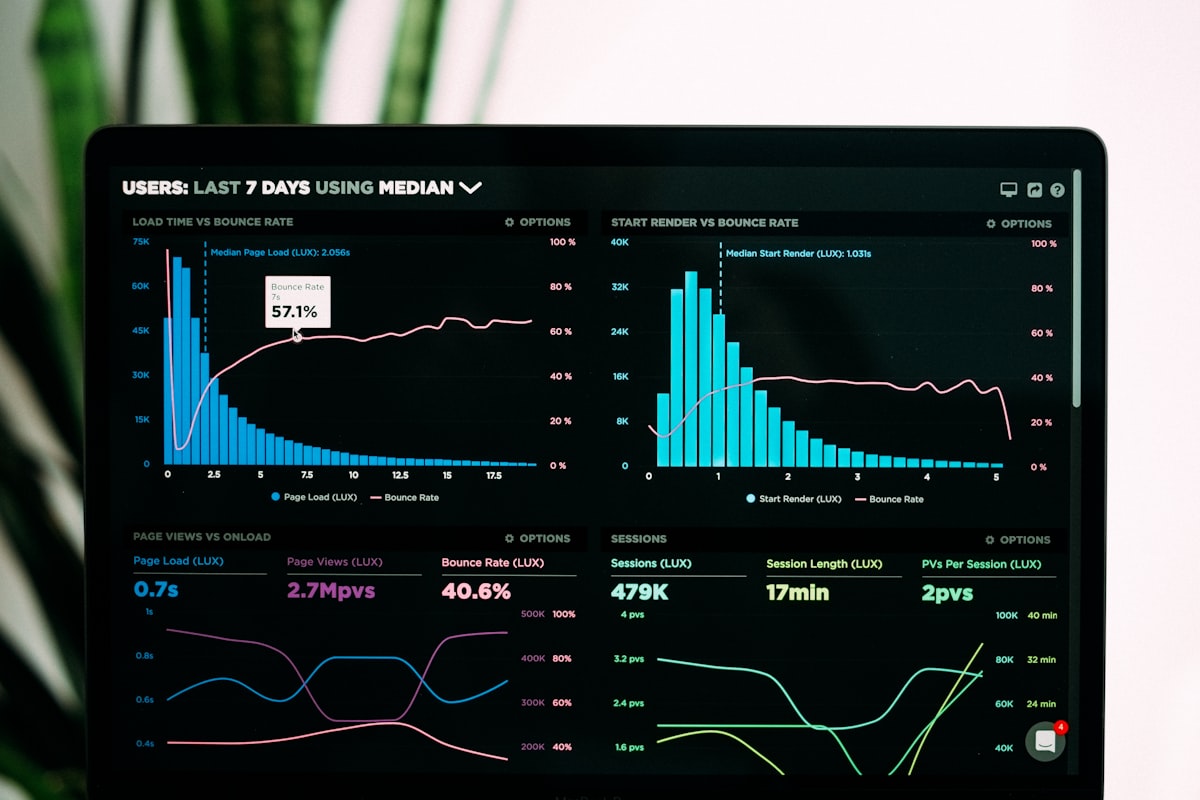
Credit: Unsplash - Firmbee.com. Intelligent software provides control and insight into your energy flows.
Scalable Architecture for Evolving Needs
We understand that energy needs change. The modular design of the Invergy series allows you to start with a system that fits your current budget and expand battery capacity as your needs grow—whether you're adding an electric vehicle, a heat pump, or expanding your business. This flexibility prevents costly "rip-and-replace" scenarios in the future, making the initial Invergy hybrid BESS price a step in a scalable energy journey.
Making the Right Investment Decision
So, how should you approach the question of price? Start by shifting the conversation from "What does it cost?" to "What is it worth?" Request detailed TCO projections from your provider, factoring in local incentives like the U.S. Residential Clean Energy Credit or various European Union and national grants. A reputable provider like Highjoule will offer a comprehensive audit and a clear financial model, not just a quote.
Ask potential suppliers: How does your system's intelligence maximize my specific savings? What is the warranty on throughput and performance degradation? Can you provide references from similar projects in my region? The answers will reveal the true value behind the price.
Your Next Step Towards Energy Independence
The journey to a smarter, more resilient energy setup begins with a question. What specific energy challenge—be it soaring bills, unreliable grid power, or a desire to maximize your solar investment—is most pressing for you right now? How would controlling that change your home life or business operations?
 Inquiry
 Online Chat