


Why an Inverter Made in Germany is the Smart Choice for Your Energy Future
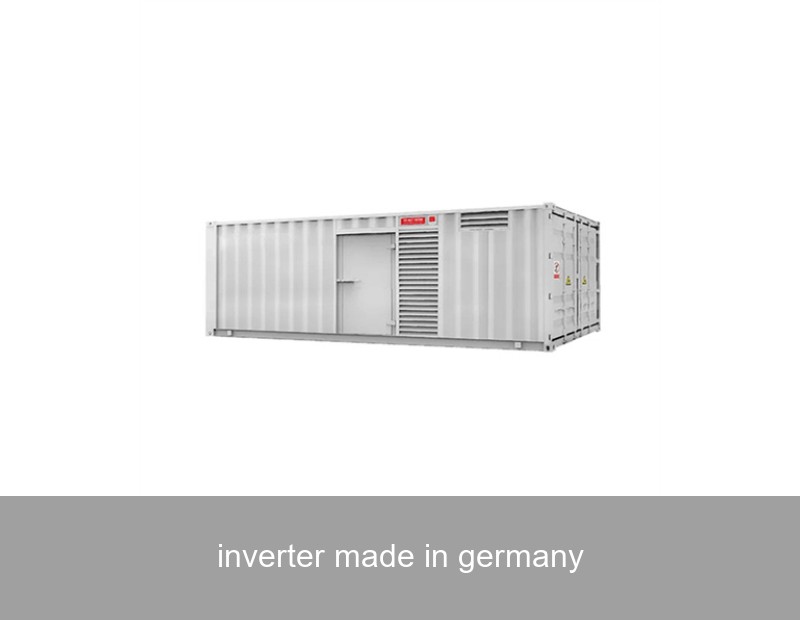
Let's be honest, when most people think about solar power or a home battery, the first thing that comes to mind is the sleek panels or the compact battery unit. But there's a silent, unsung hero in the background that makes the entire system tick: the inverter. This critical device is the brain and the heart of your energy system, converting the sun's raw power into usable electricity for your home or business. And when it comes to reliability, efficiency, and long-term value, the origin of this component matters immensely. This is where the reputation of an inverter made in Germany stands out, representing a benchmark of quality in the global renewable energy market.
The Silent Powerhouse: Why Your Inverter Matters More Than You Think
Imagine your solar panels as a world-class orchestra, producing magnificent raw power (DC electricity). An inverter is the conductor, transforming that raw potential into a harmonious symphony your appliances can actually use (AC electricity). A poor conductor ruins the performance, no matter how talented the musicians. Similarly, a low-quality inverter can lead to significant energy losses, system downtime, and even safety risks. It's the single most complex piece of electronics in your setup, operating 24/7 under demanding conditions. Its performance directly dictates how much of your generated solar energy you actually get to use and how resilient your system is over a 15-20 year lifespan.
"Made in Germany": A Label Built on Engineering, Precision, and Trust
The "Made in Germany" mark is far more than a geographic tag. It's a promise rooted in a centuries-old culture of Ingenieurkunst (engineering artistry). For an inverter made in Germany, this translates to a relentless focus on:
- Precision Manufacturing: Stringent production standards and automated quality control ensure every unit meets exact specifications.
- Robust R&D Investment: German companies typically reinvest a significant portion of revenue into research and development, driving innovation in efficiency and grid-support functions.
- Rigorous Certification & Safety: Compliance goes beyond minimum requirements, with components and final products subjected to extreme environmental and electrical stress tests.
- Long-Term Stability: Many manufacturers are established industrial players with a proven track record, offering security for the decades-long warranty periods.
This ecosystem creates products known for their durability, high efficiency curves (maintaining performance even in non-ideal conditions), and advanced features like grid-forming capabilities, which are crucial for future-proof energy independence.
Beyond the Badge: The Tangible Benefits of a German-Made Inverter
Choosing an inverter with this heritage isn't just about prestige; it's a practical decision with measurable impacts on your energy economics.
| Feature | Typical Benefit | Impact on You |
|---|---|---|
| High Peak & Weighted Efficiency | Converts more of your solar harvest into usable power, especially in low-light conditions. | Higher annual energy yield, faster return on investment. |
| Superior Thermal Management | Advanced cooling systems prevent overheating-related throttling and degradation. | Consistent performance on hot days, extended product lifespan. |
| Advanced Grid Management | Features like reactive power control, voltage regulation, and black-start capability. | Better grid citizen, enables stable microgrids, higher resilience. |
| Extended Warranty & Support | Often 10+ years of comprehensive warranty with reliable service networks. | Long-term peace of mind and protected asset value. |

Image: Precision engineering is key in a high-performance inverter. Source: Unsplash (Representative Image)
A Real-World Test: The Munich Logistics Hub Case Study
Let's look at concrete data from a commercial installation. A large logistics company near Munich, Germany, retrofitted its 25,000 sqm warehouse roof with a 1.2 MW solar PV system in 2021. The project faced a key decision: opt for lower-cost inverters or invest in premium, German-made inverters. They chose the latter, integrating them with a sophisticated Highjoule battery energy storage system (BESS) for load shifting and peak shaving.
The Results After Two Years (Data from System Monitoring):
- Energy Yield: Achieved a consistent 98.5% availability rate from the inverter system, outperforming the projected 97%.
- Efficiency: The weighted inverter efficiency averaged 98.8%, translating to an estimated 34,000 kWh more annual production compared to using units with a 97.5% average efficiency.
- Synergy with Storage: The precise communication and control between the German inverters and the Highjoule BESS allowed for flawless peak shaving, reducing the site's grid power demand charges by over 40%.
- Service & Uptime: A single, minor fault was remotely diagnosed and resolved with a next-day on-site part replacement, minimizing downtime.
This case underscores that the initial higher investment is offset by superior energy harvest, unparalleled reliability, and seamless integration with complementary storage technology—directly boosting the bottom line.
The Future is Integrated: How Highjoule Embodies German Engineering in Smart Energy Storage
At Highjoule, we understand that the inverter is the crucial gateway between generation, storage, and consumption. While we are a global provider, our core philosophy aligns perfectly with the values of German engineering: intelligence, efficiency, and sustainability. Our integrated energy storage solutions are designed to work optimally with top-tier components, including leading inverters made in Germany.
Our H-Series Commercial BESS and Residential Energy Hub, for instance, are not just battery containers. They are intelligent systems with built-in energy management that prioritize using German-engineered power conversion technology where highest reliability is required. This ensures maximum system harmony, longevity, and the ability to participate in advanced grid services. We focus on the holistic system performance, where every component, especially the inverter, is chosen to deliver on our promise of smart, efficient, and sustainable power solutions for businesses and homes worldwide.

Image: A complete home energy system relies on reliable components. Source: Unsplash (Representative Image)
Navigating Specifications: What to Look For
When evaluating an inverter, especially in the context of a full storage system, ask your installer or look for these specs often associated with high-quality German engineering:
- European Efficiency (ηEU): A weighted efficiency rating that better reflects real-world operating conditions compared to just "max efficiency." Aim for > 97%.
- IP (Ingress Protection) Rating: Should be at least IP65 for outdoor durability against dust and water jets.
- Grid Support Functions: Look for certifications like VDE-AR-N 4105 (Germany) or UL 1741 SA (US) which mandate grid-supportive features.
- Warranty Length & Terms: A 10-year full warranty is a strong indicator of manufacturer confidence.
For deeper technical insights, you can refer to the Fraunhofer Institute for Solar Energy Systems, a leading authority whose research often informs these engineering standards.
Your Energy, Your Choice: What Should Guide Your Decision?
The journey to energy independence is a significant investment. While the allure of lower upfront costs is understandable, the core components of your system—the inverter and the storage system—define its true value over time. An inverter made in Germany represents a choice for precision, resilience, and long-term performance. When paired with an intelligent, integrated storage solution from a provider like Highjoule, you're not just buying hardware; you're investing in a reliable, intelligent energy partner for the next two decades.
Does the initial cost premium for engineering excellence truly pay for itself over the lifetime of your solar and storage system? We invite you to calculate your own scenario with our energy experts, considering not just today's price, but your energy costs, resilience needs, and goals for the next 20 years.
 Inquiry
 Online Chat