


Powering Your Future: The Ultimate Guide to a Battery Energy Storage System with Solar
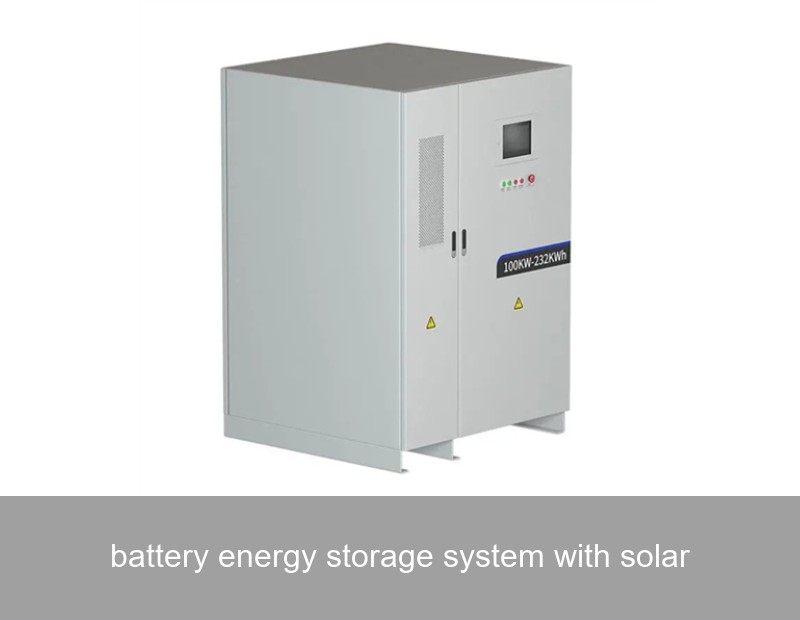
Have you ever watched your solar panels working hard on a sunny afternoon and wondered, "Where is all that extra clean energy going?" For homes and businesses across Europe and the U.S., this is a common reality. You generate solar power, use some, and the surplus often gets sent back to the grid for minimal compensation, leaving you reliant on that same grid at night or on cloudy days. The missing piece to true energy independence? A battery energy storage system with solar. This powerful combination isn't just a tech trend; it's a fundamental shift in how we produce, manage, and consume electricity. Let's explore how integrating a smart battery system with your solar array can unlock unprecedented control, resilience, and savings.
Table of Contents
- The Solar Dilemma: Generation vs. Consumption
- What is a Battery Energy Storage System (BESS) with Solar?
- Key Benefits: Why Pair Solar with Storage?
- Choosing the Right System: Key Considerations
- Highjoule's Intelligent Solutions for Home and Business
- The Future Outlook and Your Next Step
The Solar Dilemma: Generation vs. Consumption
The sun doesn't shine on a 9-to-5 schedule, but our energy needs run 24/7. This creates a fundamental mismatch. Data from the U.S. Department of Energy shows that residential solar systems often peak in production around midday, while household demand typically spikes in the early morning and evening. Without storage, this "solar cliff" at sunset forces a sudden switch back to grid power.

Image Source: Unsplash - Illustrating the time-gap between solar production and energy demand.
What is a Battery Energy Storage System (BESS) with Solar?
Think of it as your personal energy savings account. A battery energy storage system with solar is an integrated setup where the batteries store the excess electricity your solar panels produce. Later, when your panels aren't generating enough, you draw from your battery "bank" instead of the grid. The core components are:
- Solar PV Array: Captures sunlight and converts it to DC electricity.
- Hybrid Inverter or System Controller: The brain of the operation. It manages energy flow between solar panels, batteries, and your home/business, converting DC to AC power for your appliances.
- Battery Pack: The storage unit, typically using Lithium Iron Phosphate (LiFePO4) chemistry for its safety, longevity, and performance.
- Energy Management System (EMS): Intelligent software that optimizes charging and discharging based on your usage patterns, weather forecasts, and electricity rates.
Key Benefits: Why Pair Solar with Storage?
1. Maximize Self-Consumption & Slash Bills
Use more of the solar energy you produce. In regions with time-of-use (TOU) rates or reduced feed-in tariffs, storing cheap solar power to use during expensive peak hours can lead to dramatic savings.
2. Unbreakable Backup Power
When the grid fails, a properly configured system can keep your lights on, refrigeration running, and critical business operations online. This resilience is becoming a top priority from California to Cornwall.
3. Stabilize the Grid and Support Renewables
By reducing peak demand on the grid, you contribute to community-wide stability. Widespread storage is key to integrating higher levels of renewable energy, as noted by the International Energy Agency (IEA).
4. Future-Proof Your Investment
As energy markets evolve, systems with smart software can participate in grid services (where available), creating potential new revenue streams.
A Real-World Case: The German Bakery Project
Let's look at a concrete example. A family-run bakery in Bavaria, Germany, had a 50 kWp solar roof installation. Despite this, their high early morning energy use for ovens and afternoon cooling loads meant they still purchased over 40% of their power from the grid at high rates.
The Solution: In 2023, they installed a 40 kWh battery energy storage system with solar, integrated with their existing PV array. The system was programmed to prioritize charging from solar, with strategic charging from the grid during low overnight tariffs to prepare for the morning peak.
The Data-Driven Result (12-month period):
| Metric | Before Storage | After Storage | Change |
|---|---|---|---|
| Grid Energy Purchased | 42,000 kWh | 15,500 kWh | -63% |
| Self-Consumption of Solar | 58% | 92% | +34 percentage points |
| Annual Energy Cost | €12,800 | €5,200 | €7,600 saved |
| ROI Period | N/A | ~4.5 years | (Including state incentive) |
This case shows how storage transforms solar from a partial solution into a comprehensive energy strategy.
Choosing the Right System: Key Considerations
Not all systems are created equal. Here’s what to evaluate:
- Battery Chemistry & Lifespan: LiFePO4 is the industry standard for safety and cycle life. Look for warranties guaranteeing 70-80% capacity after 10 years.
- Usable Capacity & Power Rating: Capacity (kWh) is your "energy tank size." Power rating (kW) determines how many appliances you can run simultaneously.
- Round-Trip Efficiency: How much energy you get out vs. put in. Top systems exceed 90%.
- Integration & Smart Software: Can it seamlessly integrate with existing or new solar? Does the EMS learn and adapt?
- Scalability: Can you add more batteries later if your needs grow?

Image Source: Unsplash - Professional installation of a modern battery system.
Highjoule's Intelligent Solutions for Home and Business
This is where Highjoule's nearly two decades of expertise comes into play. Since 2005, we've engineered storage solutions that are not just hardware, but intelligent energy platforms. Our systems are designed to make the benefits we've discussed a seamless reality.
For residential customers, our HomePower Stack series is a modular LiFePO4 system known for its sleek design and sophisticated AI-driven energy management. It learns your family's habits, forecasts weather, and automatically optimizes for comfort and cost savings. You can monitor and control everything from a simple smartphone app.
For commercial and industrial applications, our IndustrialPower Cube solutions offer scalable, high-power storage. A bakery, like our case study, would benefit from our C&I system's advanced load-shaving and demand charge management capabilities, which are crucial for businesses with high, short-term power demands. Our microgrid-ready systems can also island critical operations, providing essential backup power.
Across all our products, the Highjoule operating system is the unifying intelligence, ensuring every kilowatt-hour is used with maximum efficiency and purpose.
The Future Outlook and Your Next Step
The synergy between solar PV and battery storage is accelerating, driven by rising energy prices, climate goals, and advancing technology. The U.S. Inflation Reduction Act and various European Green Deal initiatives offer significant incentives, making now an opportune time to consider an upgrade. The question is no longer if storage will become standard with solar, but when.
So, what does your current energy bill reveal about your dependency on the grid during peak times, and how might your daily routine change if you had a personal reservoir of solar power to tap into at any moment?
 Inquiry
 Online Chat