


Unlocking Affordable Energy Independence: Your Guide to a Low Cost Solar System for Home
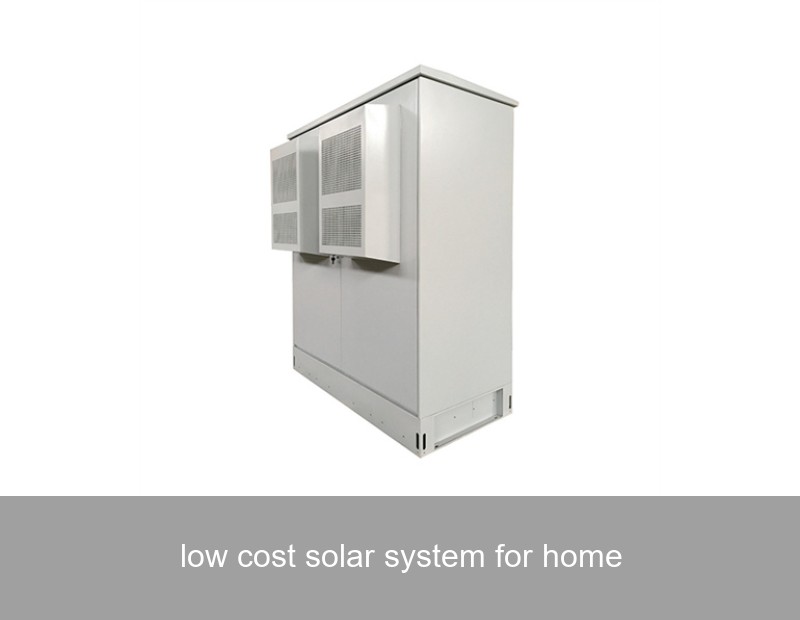
Imagine this: your electricity bill arrives, and instead of that familiar wince, you feel a surge of satisfaction. The number is low, predictable, and you know the power behind it is clean. This isn't a distant dream for the wealthy; it's an increasingly attainable reality for homeowners across the US and Europe. The quest for a genuinely low cost solar system for home use is driving innovation and making solar energy more accessible than ever. But how do you separate genuine value from misleading claims? Let's demystify the journey to affordable solar power.
Table of Contents
The New Solar Reality: Affordability Meets Necessity
For years, the high upfront cost of solar panels was the primary barrier to entry. Today, the landscape has transformed dramatically. According to the Solar Energy Industries Association (SEIA), the cost of solar photovoltaic (PV) systems has dropped by over 70% in the last decade. In markets like Germany and California, "grid parity"—where solar electricity costs the same or less than power from the grid—is now the norm, not the exception.
This price plunge isn't just about cheaper panels. It's a holistic shift involving better technology, streamlined installation processes, and innovative financing like Power Purchase Agreements (PPAs) and solar leases. The real question for homeowners is no longer "Can I afford solar?" but "How do I choose the right low cost solar system for home that maximizes my long-term savings and energy security?"
Image: Modern residential solar installations are designed for both efficiency and aesthetics. (Source: Unsplash)
Anatomy of a Truly Low-Cost Solar System
A low-cost system isn't defined by the lowest bid. True cost-effectiveness is measured in Levelized Cost of Energy (LCOE)—the total lifetime cost divided by energy produced. A cheaper system with poor efficiency or short lifespan is ultimately more expensive. Here's what to look for:
High-Efficiency Components: The Long-Term Saver
Modern monocrystalline PERC solar panels can convert over 22% of sunlight into electricity, meaning you need fewer panels on your roof to meet your needs. Pair these with reliable, durable inverters—the brains of the system—that minimize energy loss. Cutting corners here leads to significant "invisible" losses over 25+ years.
The Smart Storage Multiplier: Beyond Just Panels
This is where the modern low cost solar system for home truly shines. Adding a battery storage system, like Highjoule's ResiCore Home Energy Bank, transforms your setup. Instead of exporting excess solar energy to the grid for a low feed-in tariff, you store it for use at night or during peak rate periods. In regions with Time-of-Use (TOU) billing or less favorable net metering policies, storage is the key to unlocking the full financial return. It turns your solar array from a daytime saver into a 24/7 energy asset.
Intelligent Design & Software
Precision matters. Using advanced software for site assessment ensures optimal panel placement, shading avoidance, and system sizing. An oversized system wastes capital; an undersized one leaves savings on the table. Furthermore, an integrated energy management system (EMS) intelligently directs energy flow—prioritizing self-consumption, managing storage cycles, and even controlling high-load appliances—to squeeze every bit of value from your system.
Case Study: Real Savings in Hamburg, Germany
Let's look at real data from a typical detached house in Hamburg, a city not known for endless sunshine.
- Household Profile: Family of four, annual electricity consumption: 4,800 kWh.
- System Installed (2022): 8 kWp solar PV array + 10 kWh lithium-iron-phosphate (LFP) battery storage.
- Financials: Total installed cost after government incentives: €18,500.
- Performance: The system covers 78% of the household's annual electricity demand. With Germany's high retail electricity prices (averaging over €0.40/kWh in 2023), the simple payback period is calculated at under 8 years. For the remaining 15+ years of the system's life, the family enjoys drastically reduced energy costs and protection from price volatility.
- Key Insight: The battery increased self-consumption of solar power from ~35% to over 68%, making the system financially viable despite moderate feed-in tariffs. This model, replicated across thousands of European homes, proves that a smart low cost solar system for home is an investment, not an expense.
The Highjoule Solution: Engineered for Value and Performance
At Highjoule, with nearly two decades of expertise in advanced energy storage, we understand that a low cost solar system for home is built on a foundation of quality, intelligence, and longevity. Our approach integrates seamlessly with leading solar PV brands to deliver a holistic solution.
Our ResiCore Home Energy Bank is at the heart of this. It utilizes safe, long-life LFP battery chemistry and features a modular design, allowing you to start with a capacity that fits your budget and expand later. Coupled with our EnergyHub Gateway, the system provides:
- AI-Powered Energy Optimization: Learns your consumption patterns and automatically shifts loads to maximize solar self-use.
- Grid Services & Resilience: In the event of a power outage, the system can automatically island your home, keeping critical loads running.
- Transparent Monitoring: A user-friendly app gives you real-time and historical insights into your energy production, consumption, and savings.
For homeowners, this means you're not just buying hardware; you're investing in a platform for energy independence that is designed to deliver the lowest cost of energy over its entire lifespan. We partner with certified installers across Europe and North America to ensure precise design and professional installation, which is critical for system performance and safety.
| System Type | Upfront Investment | Annual Electricity Bill Savings* | Self-Consumption Rate | Energy Security |
|---|---|---|---|---|
| Solar PV Only | $$ | 40-50% | ~30-40% | No backup |
| Solar PV + Highjoule ResiCore | $$$ | 70-90% | 60-80% | Seamless backup power |
| *Savings vary based on location, energy rates, consumption, and system size. Example for illustrative purposes. | ||||

Image: Monitoring and control apps are essential for managing a modern home energy system. (Source: Unsplash)
Is Your Home Ready for the Low-Cost Solar Shift?
The data is clear, the technology is proven, and the financial models are compelling. The journey to a low cost solar system for home starts with understanding your unique energy fingerprint—your consumption patterns, roof's potential, local climate, and utility rates.
What single question about your current energy bill would you most like to turn from a variable expense into a predictable, self-controlled asset?
 Inquiry
 Online Chat