


Moon Solar Panels in West Bengal: A New Dawn for Renewable Energy?
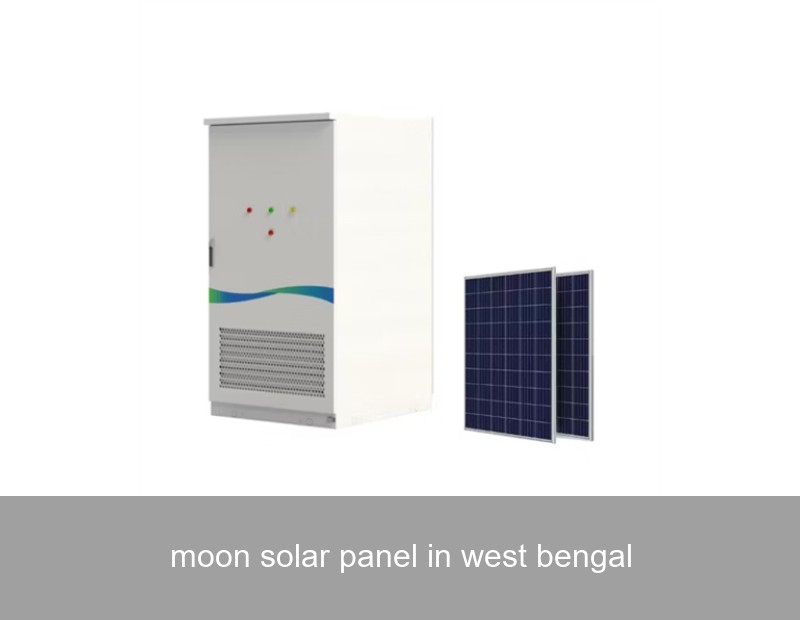
Table of Contents
Have you ever heard of "moon solar panels"? It sounds like something from a sci-fi novel, perhaps technology designed to harvest the faint glow of lunar light. In the context of West Bengal, India, however, this evocative term has come to symbolize a transformative movement in solar energy. It represents not literal moon-powered panels, but a visionary approach to solar solutions that deliver reliable power long after the sun sets, tackling one of renewable energy's biggest challenges: intermittency. This article explores how this concept is taking root in West Bengal and what it teaches us about the future of global energy storage.
The Lunar Inspiration: More Than Just a Name
The phrase "moon solar panel" poetically captures the ultimate goal: a solar energy system that provides continuous, 24/7 power. The sun, of course, is the primary source. But the "moon" phase represents the critical hours of darkness, high demand, or low light. The real magic doesn't happen on the rooftop alone; it happens in the sophisticated battery storage system that stores excess solar energy for use at night. This is where the concept moves from poetry to practical, high-impact engineering.
For regions like West Bengal, which faces a complex mix of high agricultural demand, growing urbanization, and vulnerable coastal communities, this isn't a luxury—it's a necessity. The state's push towards solar, supported by both state and national policies, has seen a significant rise in photovoltaic (PV) installations. But without storage, these systems leave a power gap every evening. The integration of advanced battery energy storage systems (BESS) is what truly creates a "moon solar" solution, turning a daytime-only resource into a round-the-clock workhorse.
West Bengal's Energy Landscape: A Case for Innovation
West Bengal presents a microcosm of global energy challenges. With a population of over 90 million, its grid is under constant pressure. According to a 2023 report by the Institute for Energy Economics and Financial Analysis (IEEFA), India as a whole needs to rapidly scale energy storage to achieve its 500 GW renewable target by 2030. West Bengal, with its ambitious solar goals, is a critical piece of this puzzle.
The state's diverse geography—from the megacity of Kolkata to the remote islands of the Sundarbans—demands flexible solutions. In urban and industrial areas, the focus is on peak shaving and backup power to ensure business continuity. In off-grid and weak-grid rural areas, the need is for standalone, resilient systems that can power homes, schools, and clinics reliably. This dual need creates a perfect testing ground for integrated solar-plus-storage solutions that are both intelligent and robust.
Case Study: Powering the Sundarbans with Resilient Solar
A compelling example is found in the Sundarbans, the vast mangrove delta shared between India and Bangladesh. Many communities here are disconnected from the main grid. A project led by the West Bengal Renewable Energy Development Agency (WBREDA) has deployed solar microgrids with battery storage across several villages.
The Data: One such installation on Sagar Island provides a clear picture. The system comprises a 50 kW solar PV array coupled with a 120 kWh battery storage unit. This setup powers 150 households, a primary health center, and street lighting. Data collected over one year showed:
| Metric | Performance Data |
|---|---|
| Daily Solar Generation | 200-250 kWh (season-dependent) |
| Storage Utilization | ~85% of stored energy used nightly |
| Grid Diesel Displacement | Reduced diesel generator use by over 90% |
| Hours of Power Availability | Increased from ~8 to 24 hours per day |
This is a real-world "moon solar panel" system in action. The battery storage ensures that power generated during the sunny day is available for children to study at night, for refrigerators to preserve medicines, and for small businesses to operate after dark. The success hinges not just on the solar panels, but on the durability and intelligence of the battery storage system, which must withstand a humid, saline, and cyclone-prone environment.

Image: Community solar installations in delta regions require robust storage to become true 24/7 power sources. (Credit: Asian Development Bank, Wikimedia Commons)
The Technology Behind the Resilience
What makes a storage system capable of fulfilling the "moon solar" promise in challenging environments? It goes beyond just connecting batteries to panels. Key technological pillars include:
- Advanced Battery Chemistry: While lead-acid is common, lithium-ion phosphate (LFP) batteries are increasingly favored for longer lifespan, higher depth of discharge, and better performance in varied temperatures.
- Intelligent Energy Management Systems (EMS): The brain of the operation. A good EMS predicts load patterns, manages charge/discharge cycles to optimize battery health, and can integrate multiple power sources (solar, grid, generator).
- Robust Hardware & Software: Inverters and converters must be highly efficient. Remote monitoring software is crucial for predictive maintenance, especially in remote locations, preventing system failures before they occur.
This is precisely the expertise that global leaders like Highjoule bring to the table. For nearly two decades, Highjoule has been designing and deploying integrated storage solutions that turn variable renewable generation into firm, dispatchable power. Our HPS (Highjoule PowerStack) commercial & industrial series, for instance, features modular LFP battery cabinets paired with our proprietary JouleMind™ EMS. This system can be seamlessly integrated with large-scale solar installations to provide peak shaving, backup power, and energy arbitrage—essentially creating a "moon solar" effect for factories, data centers, and office complexes worldwide.
Highjoule's Role in Global Energy Resilience
The lessons from West Bengal are universal. Whether it's a village in the Sundarbans, a manufacturing plant in Bavaria, or a suburban home in California, the need for reliable, clean power is the same. Highjoule's mission is to provide the storage backbone that makes this possible.
Our product portfolio addresses this need across scales:
- For Residential & Small Commercial: The Home+ energy storage system allows homeowners to maximize self-consumption of rooftop solar, achieving energy independence and security.
- For Commercial & Industrial (C&I): The modular PowerStack series helps businesses reduce demand charges, ensure operational continuity, and meet sustainability targets.
- For Utilities & Microgrids: Our large-scale containerized GridMax solutions provide grid stability, renewable integration, and backup power for entire communities, much like the microgrids in West Bengal but on a larger scale.
Highjoule systems are designed with global standards in mind, featuring the safety, scalability, and smart management required to make any solar installation a true 24/7 power plant. As the U.S. Department of Energy's National Renewable Energy Laboratory (NREL) notes, the value of storage increases dramatically as renewable penetration grows. We are building the infrastructure for that renewable-rich future.

Image: Advanced, modular battery storage systems like Highjoule's PowerStack are key to unlocking 24/7 renewable energy. (Credit: American Public Power Association, Unsplash)
The Future: Lessons from West Bengal for the World
The "moon solar panel" initiative in West Bengal is more than a local project; it's a beacon. It demonstrates that with the right technology mix—high-efficiency PV paired with advanced, intelligent storage—renewable energy can become the bedrock of a resilient and modern grid, even in the most demanding environments.
It challenges us to think differently. The question is no longer just "how many solar panels can we install?" but "how can we build an entire energy ecosystem that captures, stores, and manages power intelligently to meet demand at any hour?"
As you look at your own energy challenges, whether planning a community project, a business upgrade, or a home installation, consider this: What would it take for your solar investment to keep working for you under the moonlight? The answer lies in the seamless integration of generation and storage.
What's the first step you would take to design a truly resilient, 24/7 renewable energy system for your needs?
 Inquiry
 Online Chat