


Finding Your Ideal Supplier of Storage in the EU: A Guide to Sustainable Power
As Europe charges towards its ambitious 2030 climate goals, a quiet revolution is happening behind the meters. Businesses, communities, and homeowners are no longer just consumers of electricity; they are becoming active managers of their own energy. This shift creates a critical need for robust, intelligent energy storage systems. But with a growing market, how do you choose the right supplier of storage in the EU? It's not just about buying a battery; it's about partnering for a resilient, cost-effective, and sustainable energy future. This article will guide you through the key considerations, backed by data and real-world examples, to help you make an informed decision.
Table of Contents
- The Phenomenon: Why Storage is Non-Negotiable for Europe
- The Data: Quantifying the Storage Opportunity
- The Case Study: A German Industrial Park's Success
- Choosing Your Supplier: Beyond the Battery Cell
- Highjoule: Your Partner, Not Just a Supplier
- The Future of Your Energy Independence
The Phenomenon: Why Storage is Non-Negotiable for Europe
It's a windy night in the North Sea, and turbines are generating more power than the grid can immediately absorb. Conversely, on a calm, cloudy winter evening, demand peaks while renewable generation dips. This mismatch is the fundamental challenge of the energy transition. Without storage, we either waste clean energy or rely on fossil-fuel backups. Energy storage systems act as a "buffer," smoothing out these imbalances. For an EU business, this isn't just an environmental statement; it's a direct path to shielding yourself from volatile energy prices, enhancing power quality, and ensuring operational continuity. The right supplier of storage in the EU understands these grid-level challenges and tailors solutions to your specific local context, be it navigating Germany's EEG scheme or Spain's dynamic pricing structures.
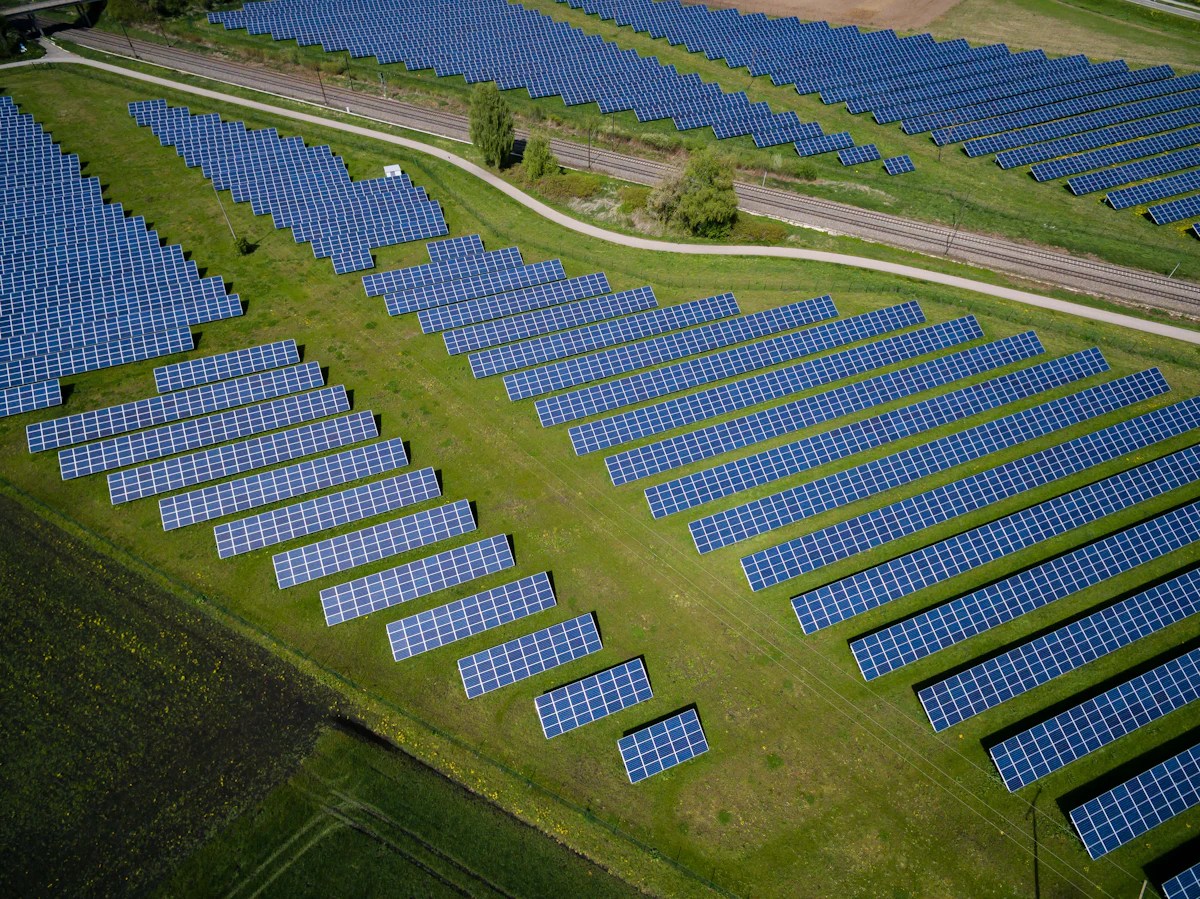
Image: A modern industrial site integrating solar and storage. Source: Unsplash (Representative image)
The Data: Quantifying the Storage Opportunity
Let's talk numbers. According to the European Association for Storage of Energy (EASE), the EU needs a staggering 200 GW of energy storage by 2030 to meet its renewable integration targets. That's a massive leap from today's capacity. For individual entities, the financial metrics are equally compelling. Consider a commercial facility with a significant solar PV installation:
| Challenge | Without Storage | With Intelligent Storage |
|---|---|---|
| Solar Self-Consumption | ~30-40% (excess sold to grid at low price) | 70-80%+ (excess stored for own use) |
| Grid Demand Charges | Peak power draws incur high fees | Peak shaving can reduce charges by 20-40% |
| Backup Power | Reliant on grid or diesel genset | Seamless, instantaneous backup for critical loads |
The business case is built on these three pillars: maximizing self-consumption of cheap, self-generated solar power, avoiding peak tariffs, and ensuring resilience. A sophisticated supplier will provide software that optimizes for these value streams automatically, based on your tariff structure and consumption patterns. For deeper insights into EU storage targets, you can review the EASE Strategic Outlook 2030/2050.
The Case Study: A German Industrial Park's Success
Let's move from theory to practice. A mid-sized manufacturing park in Bavaria, Germany, was facing rising electricity costs and wanted to increase the utilization of its existing 500 kWp rooftop solar array. Their goal was to reduce grid dependence and stabilize energy expenses.
They partnered with a leading supplier of storage in the EU—Highjoule—to design and deploy a turnkey solution. The project involved a Highjoule HVC 500 commercial battery storage system with a capacity of 550 kWh, integrated with their solar inverters and managed by Highjoule's proprietary ENERGY OS™ platform.
- Implementation: The system was installed and grid-connected within 8 weeks, with minimal disruption to operations.
- Software Intelligence: ENERGY OS™ forecasts solar production and facility load, deciding in real-time when to charge, discharge, or hold the battery to maximize economic return.
- Results (12-month period):
- Solar self-consumption rate increased from 35% to 82%.
- Peak grid power draw reduced by 28%, translating to significant demand charge savings.
- The park achieved an 18% reduction in overall electricity costs from the grid, with a projected ROI of under 7 years.
- The system also provides seamless transitional backup power for critical safety and IT infrastructure.
This case exemplifies the tangible benefits of choosing a supplier that delivers not just hardware, but integrated, smart software and deep domain expertise.
Choosing Your Supplier: Beyond the Battery Cell
When evaluating a supplier of storage in the EU, it's crucial to look beyond the spec sheet for the battery cells. The cell is just one component of a successful, long-term storage asset. You should consider the entire ecosystem:
- System Integration & Safety: Does the supplier provide a fully integrated, UL/CE-certified system with built-in fire safety, thermal management, and grid compliance? A patchwork of components from different vendors increases risk and complexity.
- Intelligence & Software: The "brain" is what unlocks value. Can the software perform energy arbitrage, peak shaving, and participate in grid services? Is it user-friendly and updatable?
- Warranty & Lifetime: Look for a performance warranty (e.g., 70% capacity retention after 10 years) that matches the financial model. Check the expected cycle life.
- Local Support & Service: Does the supplier have a proven track record and technical support network within your specific country? Quick local service is essential for peace of mind.
Image: Technical monitoring of a sophisticated energy storage control system. Source: Unsplash (Representative image)
Highjoule: Your Partner, Not Just a Supplier
Since 2005, Highjoule has evolved from a technology innovator to a global leader in advanced storage solutions. We understand that being a trusted supplier of storage in the EU means being a long-term partner in your energy journey. Our approach is built on three core pillars:
1. Product Excellence for Every Segment
We offer a tailored product suite:
- For Commercial & Industrial (C&I): Our HVC Series modular storage systems are scalable, robust, and designed for high-cycle, high-power applications. They are the workhorses for factories, logistics centers, and office parks.
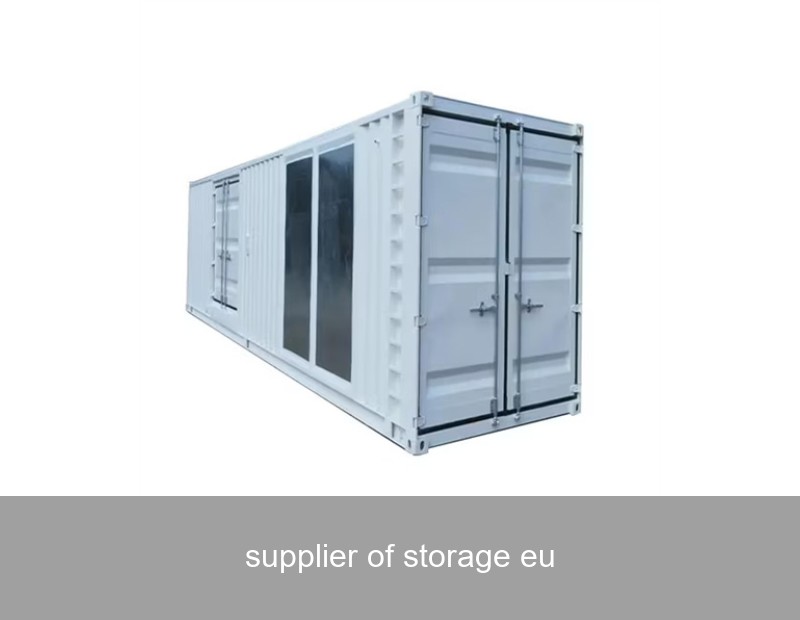
- For Residential & Small Business: The HomePower+ all-in-one system combines storage, inverter, and manager in one sleek unit, making energy independence simple and safe for homeowners. For Utilities & Microgrids: Our GridMax containerized solutions provide utility-scale storage for grid stabilization, renewable integration, and creating resilient community microgrids.
2. The ENERGY OS™ Platform
This is where the magic happens. Our cloud-based platform doesn't just monitor; it actively optimizes. Using AI and weather forecasts, it makes predictive decisions to maximize your financial return. It's your 24/7 energy asset manager, accessible from any device. You can see a public example of how such platforms analyze market data on sites like Energy-Charts.info.
3. Full Lifecycle Support
From initial feasibility study and financial modeling to system design, installation support, commissioning, and ongoing maintenance, Highjoule provides end-to-end services. Our team of experts across Europe and the US ensures your project is a success from day one and continues to perform for decades.
The Future of Your Energy Independence
The journey to a sustainable and cost-effective energy setup is unique for every business and homeowner. The landscape of regulations, tariffs, and technologies will continue to evolve. The question is no longer if you need storage, but how to implement it most effectively. Are you ready to move beyond simply reacting to your electricity bill and start actively managing it as a strategic asset? What would a 30% reduction in your annual energy costs and enhanced resilience mean for your operations or your home?
 Inquiry
 Online Chat